

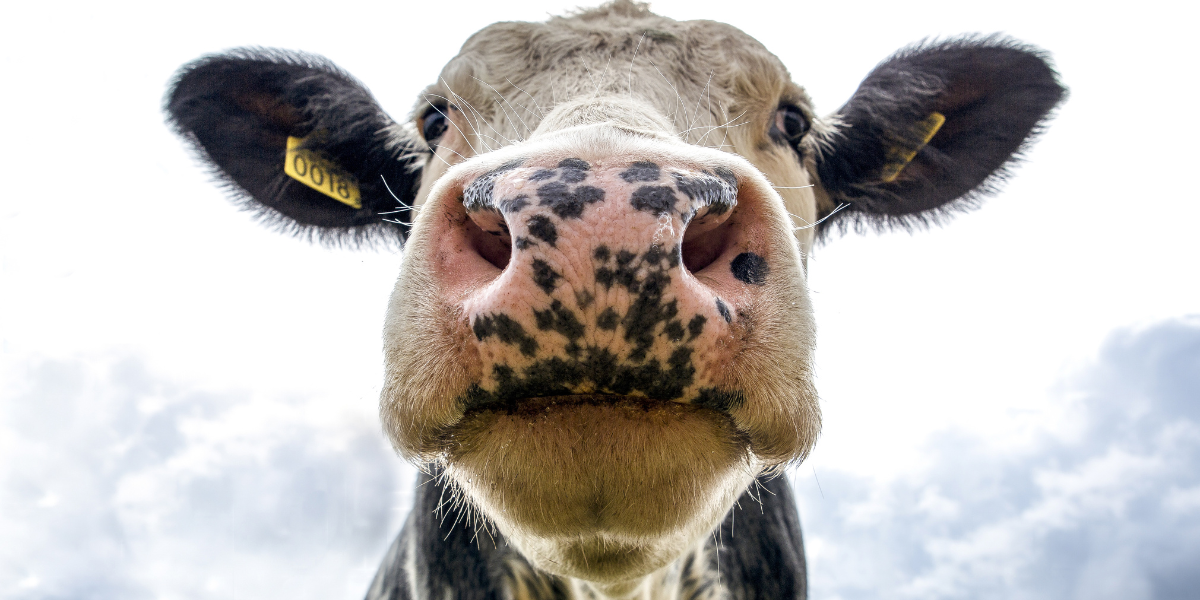
Drought offers challenges for livestock production, requiring adaptations and changes in animal feeding practices. While grass and pasture cultivation still have their place in livestock, alternatives to traditional foods have become increasingly important to obtain relief during periods of drought. In this context, it is important to explore the possibilities offered by alternative livestock feed.
Drought: Challenges for Livestock
Livestock production depends on variable environmental factors such as temperature, air humidity, soil moisture and food availability.When there is drought, there is usually a reduction in soil temperature and humidity, resulting in shortages of food suitable for livestock such as cattle, sheep and goats.
The supply of food traditionally used for cattle raising becomes increasingly difficult during these periods, as drought makes production more expensive due to reduced supply.In addition, the quality of food can suffer during periods of drought, with frequent variations in flavor and nutrients.
These factors will cause animals to suffer serious health problems if not fed properly. This directly affects the productivity of the farm and the profitability of the business, making livestock production during drought a challenge to be faced.
Alternative Food Perspective
Currently, there are solutions that allow producing farms to face the dry season, thanks to the opportunities offered by alternative feed for livestock. These alternatives can optimize the cost-benefit of livestock management, but at the same time ensure that they are fed nutritious food that properly feed the animals, even in times of drought.
The use of alternative foods can include legumes, grains, alternative sources of protein, sources of roughage and even beets.In addition, to further minimize feed costs, it is also possible to mix the food, to obtain a nutritious product at an affordable cost.
Optimizing Ruminant Production
From the perspective of alternative feeding, it is possible to optimize the production of ruminants, because these animals respond better to diets that promote the balance between bulky and protein sources. For example, mixing the bulky with formulated diets containing grains and protein sources will result in satisfactory production, and with reduced costs.
In addition, it is also important to select good quality grains so that animals have access to a nutritious food that contains all the necessary nutrients. In addition to offering quality food, the production manager can also take advantage of the opportunities of alternative feeding to ensure that animals receive cheap food, but that still meet all their nutritional needs.
New Food Options for Livestock
One of the main advantages of using alternative foods for livestock is that there are new options that can help feed the animals, even during periods of drought. Thus, in addition to traditional foods, you can also use bran and seeds of grasses, grain bran, sugarcane bagasse bran, processed beets, among other forms of nutrient-rich food.
In addition, some alternative foods contain a certain amount of protein and sugars that can be easily digested, making it an affordable option for those who want to feed their livestock effectively, lowering costs while providing a nutritious food for the animals.
In short, the use of alternative foods to livestock, during periods of drought, it is a strategy that offers flexible adaptations to feed animals with essential nutrients, at a reduced price, and in a more optimized way. Thus, it is possible to ensure an effective cost-benefit for livestock production, even during periods of drought.



