

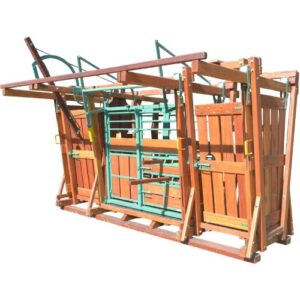
How to choose containment trunk for ideal beef cattle
Learn how to select the perfect beef cattle containment trunk to optimize management and ensure the health of your inheritance.
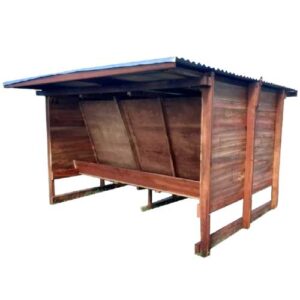
Why invest in self-consumption salt shaker for beef cattle
[:en]Why invest in self-consumption salt shaker for beef cattle?An analysis that highlights gains in animal health and productivity.[:]
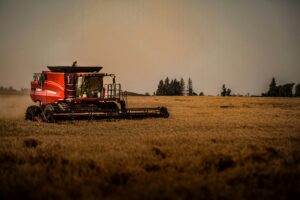
Modernizing Agriculture with Agricultural Machinery
Modernizing agriculture through agricultural machinery means, in practice, using embedded technology to reduce input waste, optimize uptime and increase productivity per hectare.The direct answer to how this happens is in the transition from pure mechanical machines to digital equipment.Today, a tractor or a harvester collections [.].
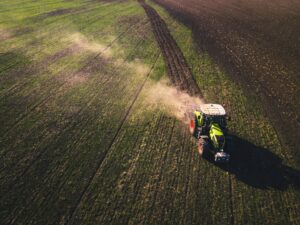
Agricultural machinery: technology and innovation in the field
When we talk about technology and innovation in agricultural machinery, the quick answer to the current picture is: we have gone from raw mechanical strength to data-driven precision.Today, applying technology in the field does not mean just buying a tractor with a more powerful engine.It means using computers, sensors and software to ensure that the machines [.].
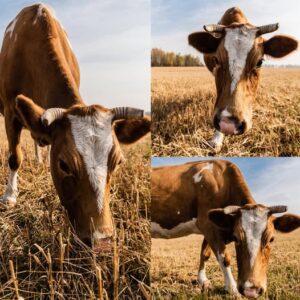
History of brazilian livestock
Introduction Brazilian livestock has deep roots in the economic formation of the country. From the cattle brought by the colonizers to modern agriculture, it has shaped territories, production patterns and commercial relations. Context of livestock in Brazil Historians point out that cattle arrived in the Northeast in the XVI century, with the initial goal of translation and support to expansion [.].
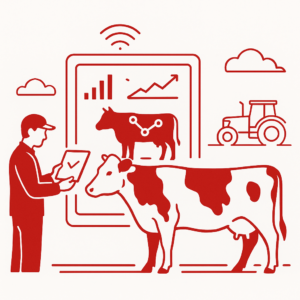
Precision livestock: sensors and data in the field
Introduction In modern livestock, precision is daily practice, not just technology. Precision livestock brings together data collection, intelligent analysis and management actions. The result is greater efficiency, animal welfare and operational sustainability. The theme is relevant for producers in Brazil and Latin America, where access to technology variations between [.].
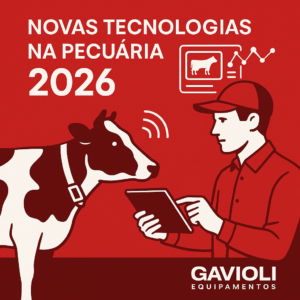
New technologies in livestock 2026
Introduction Context of the livestock sector and the role of new technologies In Brazil and Latin America, livestock faces challenges of efficiency, animal welfare and sustainability. Emerging technologies act as allies to reduce costs, increase productivity and improve the quality of the final product. Our portfolio privileges solutions that connect the field to digital, [.].
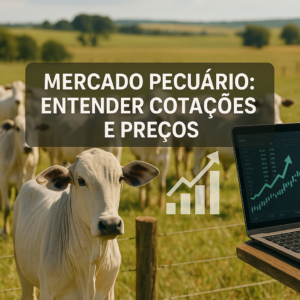
Livestock market: understand prices and prices
Introduction In the livestock market, understanding quotas and prices is essential for short and long-term decisions.The variation of the arroba of the ox reflects cycles, demand and local conditions, impacting replacement costs and producer income.This guide from Gavioli Equipments presents basic concepts and the reading of indicators to interpret the movement of the cattle, the animals, the animals, the animals, the animals, the animals, the animals, the animals, the animals, the animals, the animals, the animals, the animals, the animals, the animals, the animals, the animals, the animals, the animals, the animals, the animals and the animals
E-Book The Future of Livestock in 2025
Welcome to our e-book “O Future of Livestock in 2025”! In this material, we explore the emerging trends and technological innovations that are shaping the livestock sector.As we move towards an increasingly connected and sustainable future, it is essential to be informed about the changes to come. Based on a detailed study [.].

Livestock Trends in 2025: Essential Innovations and Challenges
The livestock sector is about to experience significant transformations in 2025. One of the biggest trends will be the adoption of technological innovations to increase efficiency and sustainability. The use of tools such as artificial intelligence and data analysis promises to optimize the management of livestock and improve productivity. In addition, sustainability continues [.].
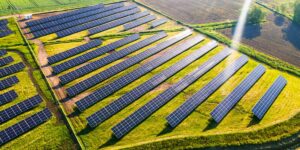
Use of renewable energy on rural properties: Sustainable alternatives for the countryside
The use of renewable energy on rural properties has gained prominence in recent years. This practice offers significant benefits both for farmers and the environment.The adoption of renewable sources such as solar, wind and biomass can reduce operating costs and increase the sustainability of farms.In addition, these technologies allow the [.].

Use of 4D printing in livestock
4D printing emerges as a revolutionary innovation in the production of materials for livestock.This advanced technology allows the creation of objects that can change shape or function over time, adapting to the specific needs of animals and producers.The application of 4D printing in livestock provides customized solutions to challenges [.].
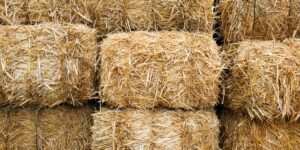
Use of High Quality Preserved Forage (Silage and Hay) in Livestock
The conservation of forages is an essential practice to ensure the availability of quality food for animals throughout the year, especially during periods of scarcity of pastures. Among the main forms of conservation, silage and hay stand out, which, when produced with high quality, can contribute significantly to productive performance [.].
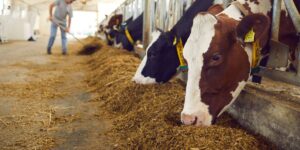
Strategic Supplementation in Critical Periods in Livestock
Livestock is an activity of great economic and social importance, responsible for providing high quality food, such as meat and milk.However, to achieve satisfactory levels of productivity and profitability, it is essential to adopt appropriate nutritional management strategies, especially during critical periods.In this context, strategic supplementation emerges as a valuable tool [.].
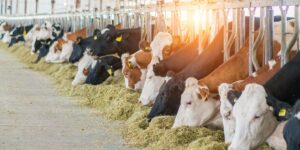
Vertical Agriculture and Hydroponics in Livestock: Efficient and Sustainable Animal Feed
Vertical agriculture and hydroponics are modern cultivation techniques that have gained ground in the production of food for human consumption.However, these techniques can also be applied in animal feed, especially in livestock. Vertical agriculture is a technique that consists of growing plants in vertical layers, in closed structures, controlling light, the [.].
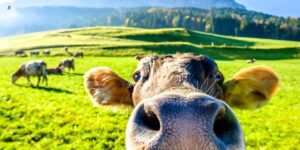
Adoption of Precision Technologies in Livestock: The Future of Animal Production
The adoption of precision technologies in livestock is an increasingly relevant topic for rural producers in Brazil. With the use of these technologies, it is possible to obtain more accurate and detailed information about the inheritance, which can lead to better production management and increased profitability. Among the technologies of [.].

Genetic Improvement for Disease Resistance in Livestock: How Science Is Helping Protect Cattle
Genetic improvement for disease resistance in livestock is a topic of great importance for the livestock industry. Disease resistance is a desirable feature in farmed animals, as it can reduce the need for medical treatments, decrease mortality and increase productivity. Genetic breeding is one of the tools available to improve [.].
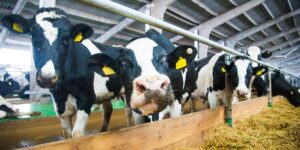
Real-time health monitoring via wearables in livestock: an effective solution for animal welfare
Monitoring the health of animals is essential to ensure productivity and well-being of the inheritance. With the advancement of technology, farmers have available incredibly efficient solutions to monitor the health of animals in real time. One of these solutions is the use of wearables in livestock. Wearables are [.].
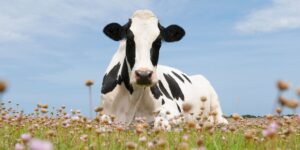
Animal welfare and ethical production systems: Sustainable Practices in Agriculture
Concern for animal welfare has become increasingly central in debates about production systems. Ensuring decent and ethical conditions for animals is essential to promote health, productivity and quality in final products. This approach not only raises the living standards of animals, but also meets the demands of consumers [.].
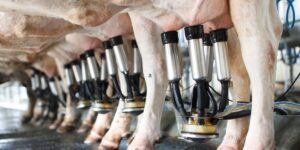
Automation of Milk and Robotized Systems in Livestock
Dairy farming has underground significant transformations in recent decades, driven by technological advances and the search for greater efficiency, productivity and animal welfare. In this context, milking automation and robotic systems emerge as innovative solutions that are revolutionizing the way milk production is conducted around the world. [.].
Development of Sustainable Feeds in Livestock
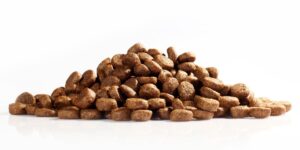
Livestock plays a key role in food production and global food security.However, the growing demand for animal products, along with concerns related to sustainability and environmental impact, has driven the search for innovative solutions in animal feed.In this context, the development of sustainable feed emergencies as a [.].
Production of Meat Cultivated in Laboratory in Livestock
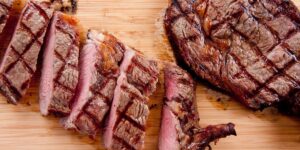
The growing demand for animal protein, driven by the increase in the world population and the change in consumption patterns, has generated concerns related to sustainability and animal welfare in traditional livestock.In this context, the production of meat grown in the laboratory emerges as an innovative and promising alternative to meet this demand in a [.].

Big Data for Disease and Pest Forecasting in Livestock
Livestock constantly faces challenges related to the occurrence of diseases and pests, which can cause significant economic losses, affect productivity and compromise animal health and welfare. In this context, the use of big data emerges as a powerful tool for predicting and controlling these problems, allowing a more proactive and effective approach to the [.].
Development of Edible Vaccines in Livestock
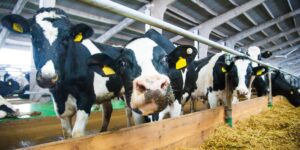
Vaccines have played a crucial role in the prevention and control of diseases in livestock, contributing to the improvement of animal health, productivity and food safety.However, traditional vaccination methods, such as injection administration, have some limitations, such as the need for individual management of animals, the stress caused by [.].
Methane Mitigation Strategies in Livestock
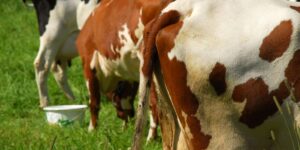
Livestock is one of the main sources of methane emission, a potent greenhouse gas that contributes significantly to climate change.Methane is produced during the digestive process of ruminants, such as cattle, sheep and goats, and can also be issued from the management of animal waste.Faced with this scenario, it becomes [..].
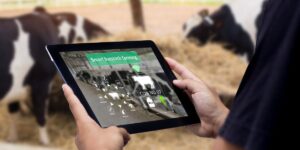
Livestock 5.0: The Technological Revolution in Animal Production
Livestock, one of the most important sectors of world agriculture, is under-forming a radical transformation driven by Industry 5.0 technologies. Livestock 5.0 represents the convergence of advanced technologies, such as artificial intelligence, internet of things, big data and robotics, applied to animal production.This technological revolution promises to increase efficiency, sustainability and [.].
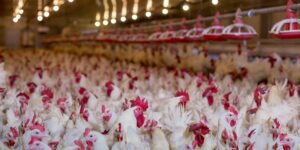
Advantages of Vertical Livestock
The growing demand for animal foods, driven by the increase in the world population and urbanization, has raised concerns about the sustainability of traditional livestock. In this context, vertical livestock emerges as an innovative alternative, which seeks to produce food efficiently, sustainably and close to urban centers.This article explores the concept, the [.].
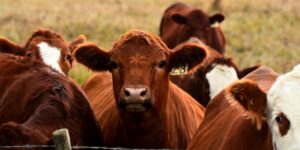
Genetic Selection for Food Efficiency in Livestock: A Pathway to Sustainability and Profitability
Introduction Livestock farming faces the challenge of producing food efficiently and sustainably to meet the growing global demand.In this context, genetic selection for feed efficiency emerges as a promising strategy to increase productivity, reduce production costs and minimize environmental impact.This article explores the concepts, applications and [.].

Mobile Applications for Livestock Management
The digital revolution has transformed the livestock sector, bringing with it a series of mobile applications that help farmers manage their activities more efficiently and productively. These applications, available for smartphones and tablets, offer a wide range of features ranging from monitoring the health and reproduction of the inheritance to [.].
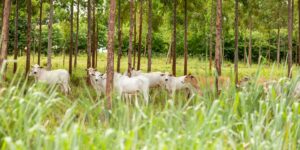
Crop-livestock-forest integration (ILPF)
The Integration Crop-Livestock-Forest (ILPF) is an agricultural production system that combines, in an integrated way, different agricultural, livestock and forestry activities in the same area. This production model has gained increasing prominence due to its economic, environmental and social benefits. In this article, we will explore the concepts, advantages and challenges of the ILPF, as well as its [.].