

Monitoring the health of animals is essential to ensure productivity and well-being of the herd. With the advancement of technology, farmers have increasingly efficient solutions to monitor the health of animals in real time. One of these solutions is the use of wearables in livestock.
Wearables are wearable electronic devices that collect and transmit data on the health of animals in real time. These devices can be placed in different parts of the animal's body, such as the neck, ear or paw, and are able to monitor various parameters, such as body temperature, heart rate, physical activity and water and food consumption. With these data in hand, producers can quickly identify health problems and adopt preventive or corrective measures to ensure the health and well-being of animals.
In addition to helping prevent disease and injury, monitoring animal health through wearables can also contribute to improved livestock productivity and profitability. With accurate data on the behavior and individual needs of each animal, producers can adjust feed, management and the breeding environment more efficiently, reducing waste and increasing production efficiency.
Fundamentals of Health Monitoring in Livestock
Real-time health monitoring via wearables in livestock is a technology that has gained more and more space.But to better understand how this technology works, you need to know some basic fundamentals.
First, it is important to highlight that health monitoring in livestock is based on data collection and analysis. These data are obtained through sensors that are placed on animals and that capture information about their behavior, physical activity, body temperature, among other variables.
This data is then sent to a processing system, which analyzes it and turns it into useful information for the producer.This information can be used to identify health problems in animals, predict possible diseases and even to improve production efficiency.
In addition, it is important to note that health monitoring in livestock can be done non-invasively. This means that sensors can be placed on animals without causing any discomfort or pain.
Finally, it is important to note that real-time health monitoring via wearables in livestock is a technology that is still under development. However, there are already several companies that offer solutions in this area and are working to make this technology increasingly accessible and efficient for producers.
Wearable Technologies Applied in Livestock
The use of wearable technologies in livestock has proven to be an effective tool to monitor the health and welfare of animals in real time. Among the most used technologies, we highlight the motion and behavior sensors, biosensors for physiological monitoring and location tracking devices.
Motion and Behavior Sensors
Motion and behavior sensors are devices that monitor the activity of animals, allowing the detection of possible health or behavioral problems. These sensors can be fixed in various parts of the animal's body, such as neck, legs or tail, and provide information about the frequency, intensity and duration of movements.
In addition, motion and behavior sensors can also be used to monitor animal behavior, such as social interaction, feeding and rest. With this information, it is possible to identify changes in behavior that may indicate health or well-being problems.
Biosensors for Physiological Monitoring
Biosensors are devices that monitor the physiological functions of animals, such as body temperature, heart rate and respiration. These sensors can be implanted in the animal's body or fixed to its skin, allowing continuous and real-time monitoring of these functions.
With the use of biosensors, it is possible to detect health problems such as infections, inflammation or stress early, allowing a more effective and faster treatment.In addition, biosensors can also be used to monitor the effectiveness of treatments and therapies.
Location Tracking Devices
Location tracking devices are used to monitor the location of animals, allowing monitoring of their behavior and well-being in different environments. These devices can be attached to the animal's body or on its collar, and provide information about its location in real time.
With the use of location tracking devices, it is possible to monitor the movement of animals in pastures, identify possible behavior problems, such as aggression or isolation, and prevent the loss or theft of animals.
In summary, wearable technologies have proven to be an effective tool for monitoring the health and well-being of animals in livestock. Motion and behavior sensors, biosensors for physiological monitoring and location tracking devices are some of the most widely used technologies, allowing early detection of health and behavioral problems, and contributing to a more efficient and sustainable livestock.
Benefits of Real-Time Monitoring
Real-time monitoring via wearables in livestock offers several benefits for producers and animals.The following will be presented the main benefits of this technology.
Early Detection of Diseases
Real-time monitoring allows the early detection of diseases in animals, which is fundamental for prevention and effective treatment.With the use of sensors, it is possible to monitor body temperature, heart rate, physical activity and other indicators of animal health. In this way, it is possible to quickly identify any change in behavior patterns, which may indicate the presence of diseases.
Improving Animal Welfare
Real-time monitoring also contributes to the improvement of animal welfare. With the use of sensors, it is possible to monitor the behavior of animals and identify possible stress situations, such as the presence of predators or lack of food and water. In addition, it is possible to monitor the quality of air and water, ensuring a healthy environment for animals.
Optimization of Livestock Production
Real-time monitoring via wearables in livestock can also contribute to the optimization of livestock production.With the use of sensors, it is possible to monitor the consumption of food and water by animals, which allows a more efficient management of available resources.In addition, it is possible to monitor the physical activity of animals, which may indicate the ideal time for slaughter or reproduction.
In summary, real-time wearable monitoring in livestock provides a number of benefits for farmers and animals, contributing to disease prevention, improved animal welfare and optimised livestock production.
Integration of Wearables Data with Agricultural Management Systems
The integration of data collected by wearables with agricultural management systems has been shown to be an efficient solution for monitoring the health of animals in real time.
Through the integration of data, it is possible to obtain accurate information about the health of animals, such as body temperature, heart rate, activity level and feeding behavior. This information is sent in real time to the agricultural management system, allowing producers to monitor the health of animals more efficiently and make more assertive decisions.
In addition, the integration of wearable data with agricultural management systems also allows the early identification of possible diseases, which can significantly reduce treatment costs and avoid losses in production.
For the integration of data to be efficient, it is important that the agricultural management systems are compatible with the wearables used. It is also necessary that producers have sufficient technical knowledge to interpret the information collected by wearables and make the necessary decisions.
In summary, the integration of wearable data with agricultural management systems is a promising solution for monitoring the health of animals in livestock.With the use of this technology, producers can obtain accurate information in real time, which can result in more efficient and profitable production.
Challenges and Ethical Considerations
Data Privacy and Security Issues
One of the main challenges faced by wearables in livestock is the issue of data privacy and security. The devices collect real-time information about the health of animals, such as heart rate, body temperature and activity. These data are transmitted to the servers of the company responsible for the device and can be accessed by third parties.
To ensure data privacy and security, it is important that the companies responsible for the devices adopt appropriate security measures, such as data encryption and user authentication.In addition, it is essential that farmers are informed about how their data is being used and have control over who can access it.
Environmental Impact of Wearables
Another important challenge is the environmental impact of wearables on livestock. The devices are usually made of plastic and other non-biodegradable materials, which can lead to environmental pollution problems.In addition, the mass production of these devices consumes natural resources and energy.
To minimize the environmental impact of wearables, it is important that device companies adopt sustainable production practices and recycle devices at the end of their life. In addition, farmers should be encouraged to use devices responsibly and dispose of them properly.
Acceptance and Practical Use in Livestock
Finally, one of the main challenges for the adoption of wearables in livestock is the acceptance and practical use by rural producers. Many farmers are traditional and can be resistant to the adoption of new technologies.In addition, there may be difficulties in integrating the devices with existing systems on the farm.
To encourage the adoption of wearables in livestock, it is important that the companies responsible for the devices offer adequate training and support to farmers.In addition, it is essential that the devices are easy to use and integrated into existing systems on the farm.
Case Studies and Practical Applications
Real-time health monitoring through wearables is gaining increasing popularity in livestock. Here are some case studies and practical applications that demonstrate the effectiveness of this technology.
Case Study 1: Monitoring of Dairy Cows
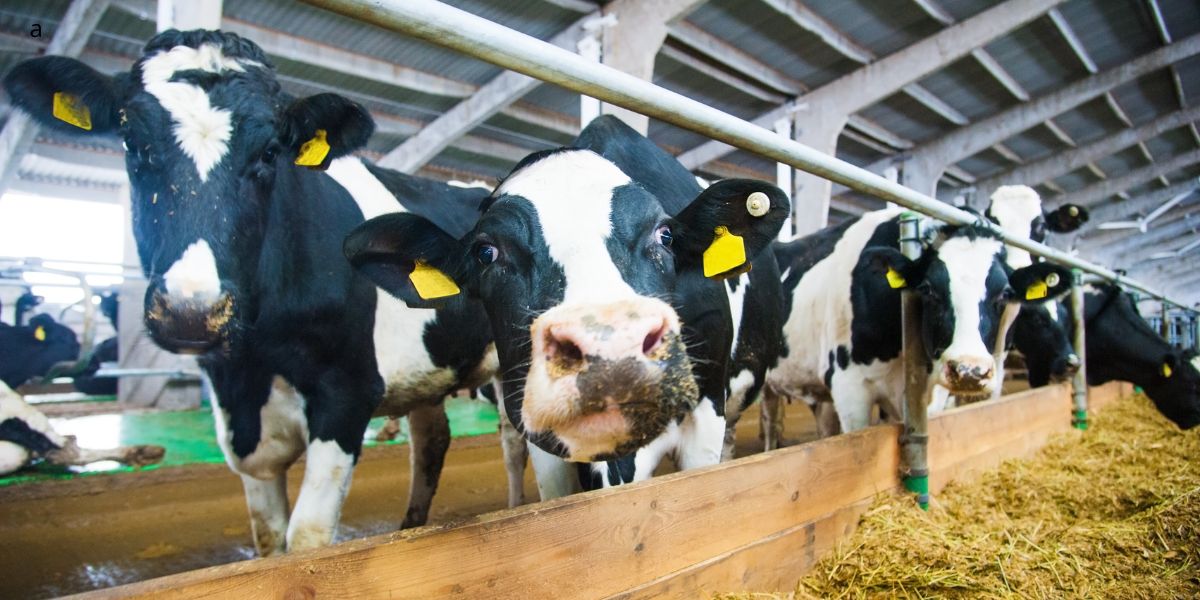
A dairy farm in Minas Gerais implemented monitoring of dairy cows through wearables. The devices are placed on the neck of cows and continuously monitor body temperature, activity and rumination. Data is sent to a centralized system that alerts owners when a cow is sick or at risk of disease. This has allowed the farm to quickly identify any health problems and take preventive measures, which has resulted in fewer diseases and higher productivity.
Case Study 2: Pork Monitoring
A pig farm in Santa Catarina has implemented monitoring of pigs through wearables. The devices are placed in the ear of pigs and continuously monitor body temperature and behavior. Data is sent to a centralized system that alerts owners when a pig is sick or at risk of disease. This has allowed the farm to quickly identify any health problems and take preventive measures, which has resulted in fewer diseases and higher productivity.
Practical Application: Monitoring Cattle in Pastures
Monitoring cattle on pastures through wearables can help owners identify sick or injured animals, as well as monitor their location and behaviour. This can help prevent the spread of disease and improve farm efficiency. Some wearables can also monitor soil and pasture quality, which can help owners make more informed decisions about land management.
In summary, real-time health monitoring through wearables has the potential to significantly improve animal health and productivity in livestock.With proper implementation, this technology can help owners quickly identify health problems and take preventive measures to ensure the health and well-being of their animals.
Future Trends and New Technology Development
Wearable technology in livestock has been increasingly used to monitor the health of animals in real time. With the advancement of technology, new features are being developed to further improve the monitoring and care of animal health.
One of the future trends is the use of wearable devices with more advanced sensors, capable of monitoring not only the physical activity of animals, but also their vital signs, such as heart rate and body temperature. This will allow a more accurate and rapid monitoring of possible health problems, allowing more effective interventions and reducing the risk of animal loss.
Another trend is the development of more advanced data analysis software, which can process large amounts of information collected by wearable devices.This will allow a more detailed analysis of the behavior of animals and the detection of patterns that may indicate health problems before they even become apparent.
In addition, wearable technology in livestock is also being integrated with other technologies, such as artificial intelligence and the internet of things. This will allow the creation of more complex and integrated systems, capable of monitoring not only the health of animals, but also environmental factors, such as air and water quality, that can affect the health of animals.
With the continuous development of new technologies, it is possible that soon livestock will be able to monitor the health of animals even more accurately and effectively, reducing the risk of animal loss and improving the quality of meat and milk produced.
Conclusion
Wearables have proven to be a promising tool for real-time health monitoring in livestock.With the ability to collect accurate, real-time data, growers can gain valuable insights into the health of their animals and make more informed decisions.
In addition, the use of wearables can help prevent disease and reduce treatment costs.With early detection of health problems, producers can act quickly to prevent the spread of disease and minimize impacts on production.
However, it is important to note that wearables should not be considered as the only solution for health monitoring in livestock. They should be used in conjunction with other animal management and care practices.
With the advancement of technology and the development of new devices, it is possible that real-time health monitoring via wearables will become even more accurate and efficient in the future.



