

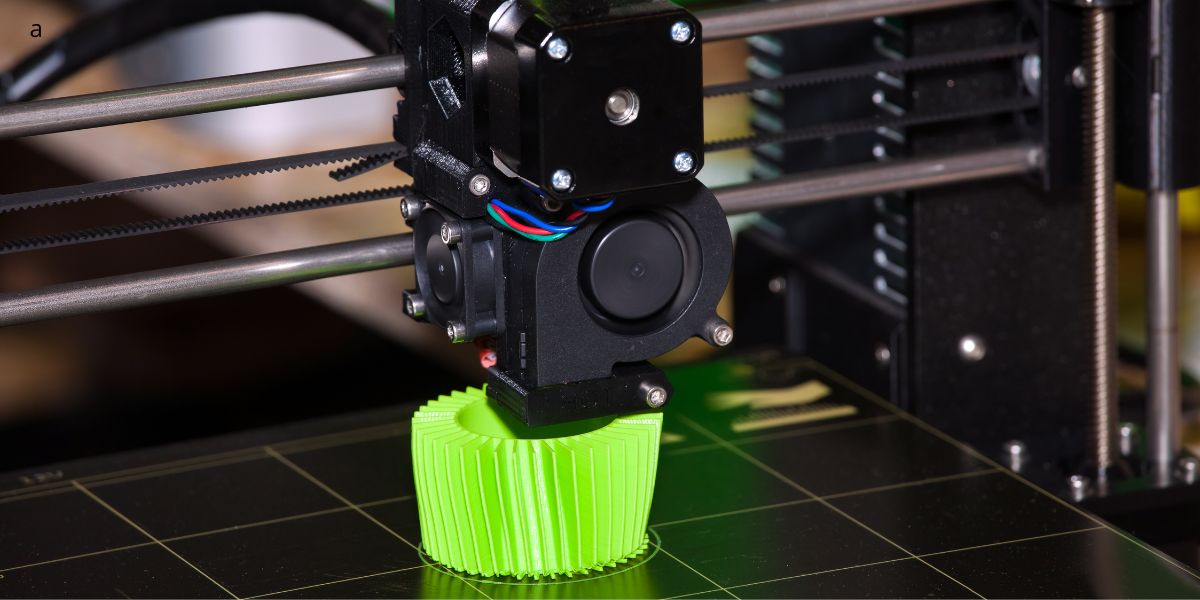
4D printing emerges as a revolutionary innovation in the production of materials for livestock.This advanced technology allows the creation of objects that can change shape or function over time, adapting to the specific needs of animals and producers.
The application of 4D printing in livestock farming offers customized solutions to challenges such as animal health monitoring, drug administration and feed optimization. The materials produced by this technique can respond to environmental stimuli, such as temperature or humidity, providing greater efficiency and welfare to the herds.
The use of this technology in the livestock industry promises to reduce costs, increase productivity and improve management practices.As 4D printing improves, its impact on livestock is expected to become increasingly significant, transforming the way producers deal with the daily challenges of animal husbandry.
Fundamentals of 4D Printing
4D printing combines 3D printing technology with smart materials, enabling the creation of objects that can change shape or function over time. This innovation opens up new possibilities for a variety of industries, including livestock.
Definition of 4D Printing
4D printing is an advanced technique that uses programmable materials to create three-dimensional objects capable of transforming. These objects respond to external stimuli such as temperature, humidity or light.
The materials used in 4D printing are designed to change their physical properties in a predictable way.This allows the printed structures to adapt to the environment or perform specific functions automatically.
The main difference between 3D and 4D printing is in the ability to change post-production. While 3D objects retain their original shape, 4D items can reconfigure themselves as needed.
Principles of 4D Printing and Technologies Involved
4D printing is based on three main elements: intelligent materials, geometric design and environmental stimuli. Intelligent materials are the basis of this technology, which can be shape memory polymers or responsive hydrogels.
Geometric design is crucial in determining how the object will transform.Engineers design complex structures that bend or expand in specific ways when activated.
Printing technologies used include stereolithography (SLA), selective laser sintering (SLS), and fused deposition modeling (FDM). Each method has advantages for different types of materials and applications.
Programming materials involves advanced techniques in chemistry and materials science.Researchers develop compounds that react in specific ways to stimuli such as heat, UV light or electric fields.
Advanced Materials in 4D Printing for Livestock
4D printing revolutionizes the production of livestock materials, using intelligent polymers and responsive materials. These innovations allow you to create adaptable and functional structures, optimizing animal management and welfare.
Intelligent Polymers and Composites
Intelligent polymers are versatile materials in 4D printing for livestock. They respond to external stimuli such as temperature and humidity by changing their shape or properties.
Composites reinforced with natural fibers such as cellulose improve the strength and durability of products. These materials are ideal for adaptable feeders and drinkers.
4D printed hydrogels offer controlled release of drugs and supplements.This allows for more efficient and less stressful treatments for animals.
Responsive Materials
Thermoresponsive materials are essential for climate control in livestock facilities. 4D printed structures can expand or contract, regulating ventilation according to room temperature.
Photoactive materials absorb sunlight during the day and emit it at night. This improves indoor lighting, promoting animal welfare.
Shape memory alloys allow for self-adjusting fences and gates, which adapt to seasonal changes and the specific needs of the herd.
Applications of 4D Printing in Livestock
4D printing revolutionizes livestock farming with intelligent and adaptive materials.This technology brings innovations in animal feed, flexible structures, health monitoring and tissue regeneration.
Animal Nutrition and Food
4D printing allows you to create custom feed that adapts to the nutritional needs of animals. 4D printed pellets can change shape or release specific nutrients in response to changes in gastric pH or body temperature.
4D printed mineral supplements offer controlled release over time, optimizing absorption. This technology also enables the production of artificial pastures with adaptive properties such as drought or pest resistance.
Smart Structures and Shelters
4D printed animal shelters can automatically adjust to weather conditions.Walls that expand or contract regulate indoor temperature, while adaptive roofs protect against rain or provide shade as needed.
4D printed smart fences can change in height or rigidity to contain different types of animals. Adaptive drinkers adjust their volume according to the water demand of the herd.
Animal Health and Monitoring
4D-printed sensors applied to the skin or ingested by animals constantly monitor vital signs and hormone levels.These devices can change shape to maximize contact with the animal's body, ensuring accurate readings.
4D printed subcutaneous implants release medications in response to detected physiological changes.Adaptive collars adjust their tension for optimal comfort and constant monitoring.
Bioprinting for Tissue Repair
4D printing of biological tissues allows the creation of grafts that adapt to the growth of the animal. 4D printed scaffolds promote bone regeneration, adjusting their structure as the bone regenerates.
4D printed smart dressings release antibiotics and growth factors in a programmed manner.Adaptive prostheses for animals with physical disabilities automatically adjust to the growth and movement of the animal.
Advantages of 4D Printing in Livestock Production
4D printing offers significant benefits to the livestock industry, enabling the creation of adaptable and custom materials.This technology promotes sustainability, efficiency and innovation in various aspects of animal production.
Customization and Adaptation of Materials
4D printing enables the production of equipment and materials tailored to different species and breeding environments.This technology allows you to create devices that fit the specific needs of animals.
Examples include:
- Smart collars that expand as the animal grows
- Food outlets that alter their shape to optimize food consumption
- Shelter structures that adapt to weather conditions
These custom materials improve animal welfare and production efficiency.
Sustainability & Efficiency
4D printing contributes to more sustainable practices in livestock.Biodegradable materials can be used, reducing environmental impact.
Technology allows:
- Creating smart packaging for livestock products
- Development of self-adaptive irrigation systems
- Production of environmental monitoring devices
These advances result in lower resource consumption and greater energy efficiency in livestock operations.
Innovation in Livestock Management
4D printing drives innovation in livestock and facility management.4D printed sensors and devices can collect and transmit data in real time.
Applications include:
- Identification tags that change color to indicate the health status of the animal
- Drug dosing systems that adjust automatically
- Containment structures that reconfigure to optimize space
These innovations improve sanitary control, productivity and animal management.
Sustainable Development and Environmental Impact
4D printing in livestock promotes sustainable practices and reduces environmental impact.This technology allows the creation of innovative materials that optimize the use of resources and minimize waste generated.
Reduction of Waste in Livestock
4D printing enables on-demand production of livestock equipment and parts.This eliminates the need for large inventories and reduces material waste.
Producers can print only what is needed when needed. This approach significantly decreases the amount of items discarded for obsolescence or damage.
The technology also allows for more efficient design creation.4D printed parts can be lighter and more durable, reducing the frequency of replacements.
In addition, 4D printing makes it easy to repair equipment.Damaged parts can be replaced individually, avoiding the disposal of entire items.
Use of Biodegradable and Recyclable Materials
4D printing uses a variety of environmentally friendly materials in the production of livestock items.Biodegradable polymers are increasingly employed, decomposing naturally at the end of their useful life.
Recyclable materials such as plastics and specific metals are widely used, which allows items to be reprocessed and reused after disposal.
The technology also makes it possible to incorporate materials of renewable origin. Biopolymers derived from plants, for example, reduce dependence on fossil resources.
4D printing also enables the creation of shape-shifting structures, which allows a single item to adapt to different functions, reducing the need for multiple products.
Future Challenges and Prospects
4D printing in livestock farming faces technical and economic hurdles, but it also promises significant advances. Innovations in materials and processes are expected to drive the adoption of this technology in the agricultural sector.
Overcoming Technical and Economic Barriers
The high cost of 4D printing equipment and materials is a crucial challenge. Companies are looking for more affordable alternatives to enable large-scale production. Technical complexity also limits the application, requiring specialized labor.
Researchers work on the development of cheaper and more versatile materials. The optimization of printing processes aims to reduce production time and energy consumption. Partnerships between universities and industries accelerate solutions to these obstacles.
Standardization and regulation of the use of 4D printed products in livestock are required.Governmental bodies and industry associations collaborate to establish safety and quality standards.
Forecasts for Technological Advances
New smart materials are expected to expand the possibilities of 4D printing in livestock.Biodegradable and biocompatible polymers should gain prominence, reducing environmental impact.
Integration with artificial intelligence promises to optimize product design and functionality.4D printed sensors will be able to monitor animal health in real time.
The emergence of faster and more accurate 4D printers is anticipated. This evolution will allow the production of complex structures for use in veterinary surgeries and customized animal prostheses.
Miniaturization of 4D printed components will pave the way for microchip applications for tracking and administering drugs in animals.
Conclusion
4D printing represents a significant advance for livestock farming.This technology enables the creation of materials that adapt to the specific needs of animals and the environment.
Benefits include improved comfort for livestock, improved feed efficiency and reduced environmental impact.4D printed materials can change shape in response to stimuli, optimizing their performance.
On-demand production reduces waste and storage costs.This makes the technology economically attractive to farmers of different sizes.
Technical challenges still exist, such as the need for stronger materials and faster manufacturing processes.
As 4D printing evolves, its potential in livestock farming expands.New designs and applications are constantly emerging, promising to transform traditional industry practices.
The adoption of this technology can boost the productivity and sustainability of Brazilian livestock. Its positive impact should extend throughout the production chain in the coming year.



