

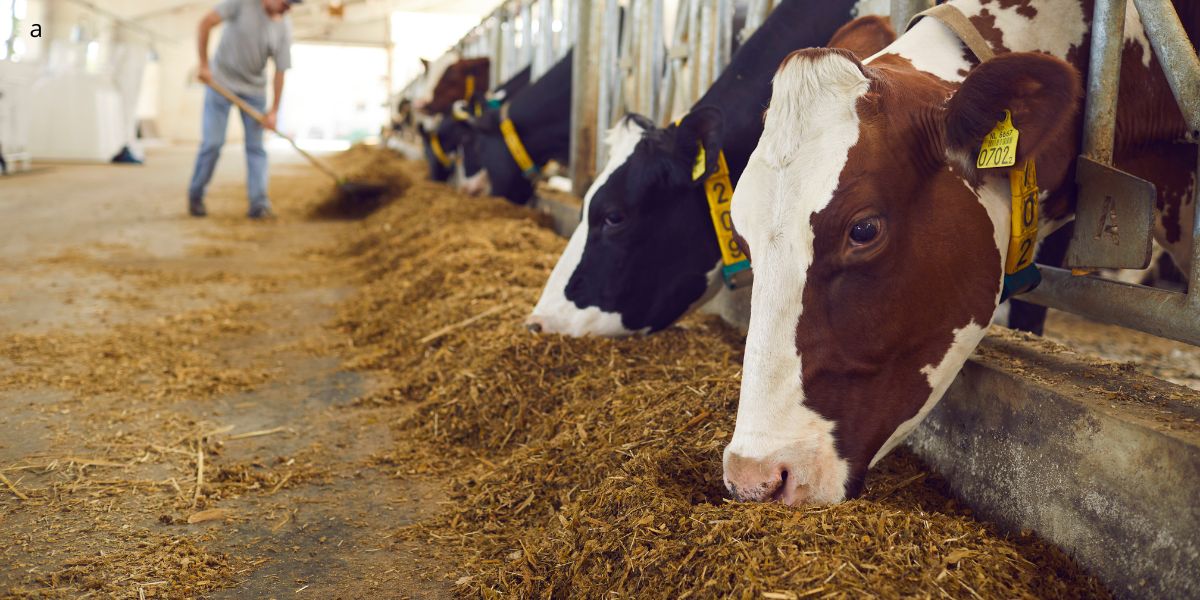
Livestock is an activity of great economic and social importance, responsible for providing high quality food, such as meat and milk. However, to achieve satisfactory levels of productivity and profitability, it is essential to adopt appropriate nutritional management strategies, especially during critical periods.In this context, strategic supplementation emerges as a valuable tool to meet nutritional deficiencies and ensure the good performance of animals.
Critical periods in livestock are characterized by specific nutritional challenges, such as the scarcity of forage during the dry season, the reduction of the nutritional quality of pastures at certain times of the year and the increase in nutritional demand in specific phases of the production cycle, such as pregnancy, lactation and rearing. It is precisely at these times that strategic supplementation becomes essential.
Strategic supplementation consists of providing additional nutrients, such as protein, energy, minerals and vitamins, in order to complement the basic diet of the animals.The objective is to correct nutritional deficiencies, optimize the use of available forage resources and enhance the productive and reproductive performance of the herd.
During the dry season, for example, when the availability and quality of pastures are reduced, supplementation with energy and protein concentrates can prevent weight loss of animals and maintain productivity. Already during the gestation and lactation phase, when the nutritional requirements of females are high, adequate supplementation is essential to ensure good fetal development, satisfactory milk production and rapid recovery of postpartum body condition.
In addition, strategic supplementation can also be used to accelerate the weight gain of animals in the rearing and finishing phase, allowing the reduction of the time required to reach the slaughter weight and increasing the efficiency of the production system.
To implement an efficient strategic supplementation program, it is necessary to consider several factors, such as the animal category, the production phase, the availability and quality of forage resources, the desired level of production and the cost-benefit ratio of the supplements used. The monitoring of a trained professional, such as a zootechnician or a veterinarian, is fundamental for the planning and proper execution of supplementation.
Another important aspect is the choice of ingredients and the formulation of supplements. It is necessary to opt for high quality nutrient sources that meet the specific requirements of the animals and are compatible with the reality of the property.In addition, the formulation must be balanced, avoiding excesses or deficiencies of nutrients, and consider the interaction with the other components of the diet.
Strategic supplementation should also be accompanied by good management practices, such as dividing the animals into homogeneous batches, providing the supplements in adequate quantities and constantly monitoring the performance and health of the animals.
In conclusion, strategic supplementation in critical periods is a fundamental practice for modern and efficient livestock. By providing the necessary nutrients in times of greatest nutritional challenge, it is possible to maintain productivity, reproduction and animal health, increasing profitability and sustainability of the activity. Therefore, investing in a well-planned and executed supplementation program is a competitive differential for ranchers seeking excellence in animal production.



