

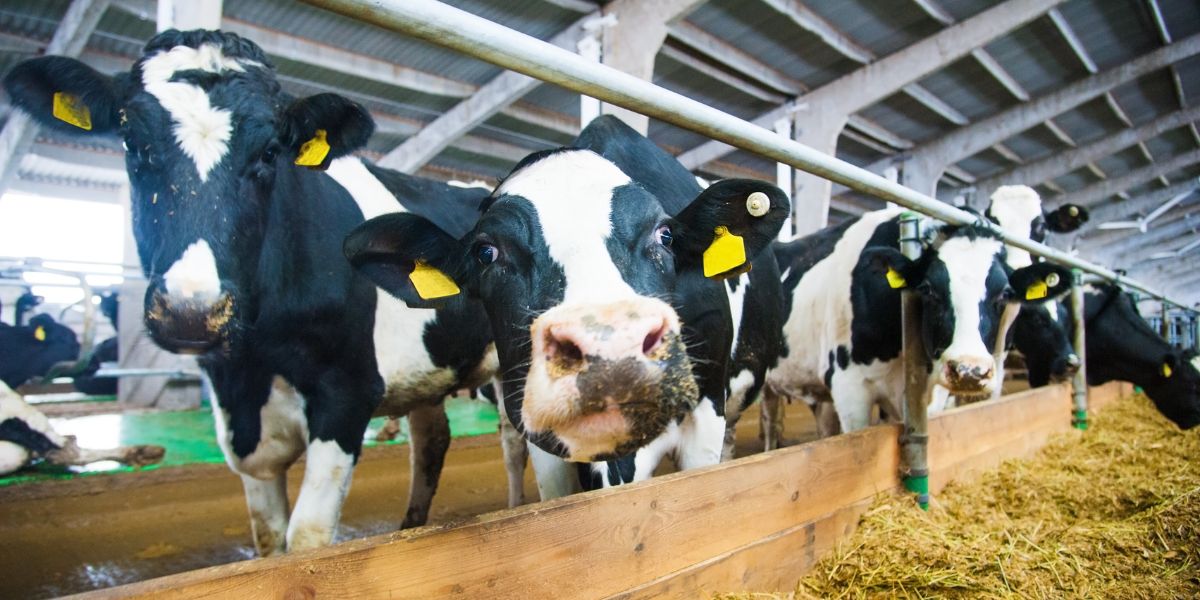
Vaccines have played a crucial role in the prevention and control of diseases in livestock, contributing to the improvement of animal health, productivity and food safety. However, traditional vaccination methods, such as injection administration, have some limitations, such as the need for individual management of animals, the stress caused by containment and the possibility of adverse reactions at the application site.In this context, the development of edible vaccines emerges as a promising alternative to overcome these challenges and facilitate the immunization of herds.
Edible vaccines are immunizing products incorporated into food or fodder, which can be consumed by animals voluntarily and without the need for individual management. This approach offers several advantages over conventional vaccination methods.Firstly, edible vaccines eliminate the stress associated with animal containment and handling, reducing the risk of injury and improving animal welfare.In addition, oral administration of vaccines allows a wide vaccination coverage of the herd, since all animals have access to food or fodder containing the immunizer.
The development of edible vaccines in livestock involves the use of genetic engineering and molecular biology techniques to express vaccine antigens in plants or other edible organisms. One of the most promising strategies is the production of vaccines in transgenic plants, such as lettuce, tobacco and soy. In this process, the genes encoding the antigens of interest are inserted into the genome of the plant, which starts to produce the vaccine protein in its leaves or seeds. Animals, when consuming these plants, develop a protective immune response against the target pathogen.
Another approach to the development of edible vaccines is the use of genetically modified microorganisms, such as bacteria and yeasts, to express vaccine antigens. These microorganisms can be incorporated into feed or food supplements, allowing the immunization of animals during regular feeding. This strategy is particularly interesting for the vaccination of young animals, which have not yet fully developed their immune system and can benefit from oral stimulation.
Edible vaccines also have advantages in terms of stability and storage.When they are produced in plants or microorganisms, these vaccines can be stored under less stringent environmental conditions than conventional vaccines, which usually require refrigeration.
However, the development of edible vaccines in livestock still faces some challenges. One of them is the need to ensure the stability and proper dosage of vaccine antigens in food or fodder. In addition, it is necessary to evaluate the safety of edible vaccines for animals and for consumers of animal products.Efficacy and safety studies are essential to prove the protection afforded by edible vaccines and to obtain regulatory approval for their commercial use.
Despite the challenges, the development of edible vaccines in livestock has great potential to revolutionize animal immunization. This approach can simplify vaccination programs, reduce production costs and improve vaccination coverage of livestock.In addition, edible vaccines can contribute to the sustainability of livestock by minimizing the use of antibiotics and other drugs for disease control.
In conclusion, the development of edible vaccines in livestock is a promising area that can bring significant benefits to animal health, productivity and food safety. With the advancement of genetic engineering and molecular biology technologies, it is expected that new edible vaccines will be developed and made available for use in livestock in the coming years. Collaboration between researchers, industry and regulatory bodies will be key to overcome the challenges and enable the broad adoption of this innovative animal immunization strategy.



