

The growing demand for animal protein, driven by the increase in the world population and the change in consumption patterns, has generated concerns related to sustainability and animal welfare in traditional livestock.In this context, the production of meat grown in the laboratory emerges as an innovative and promising alternative to meet this demand more efficiently and ethically.
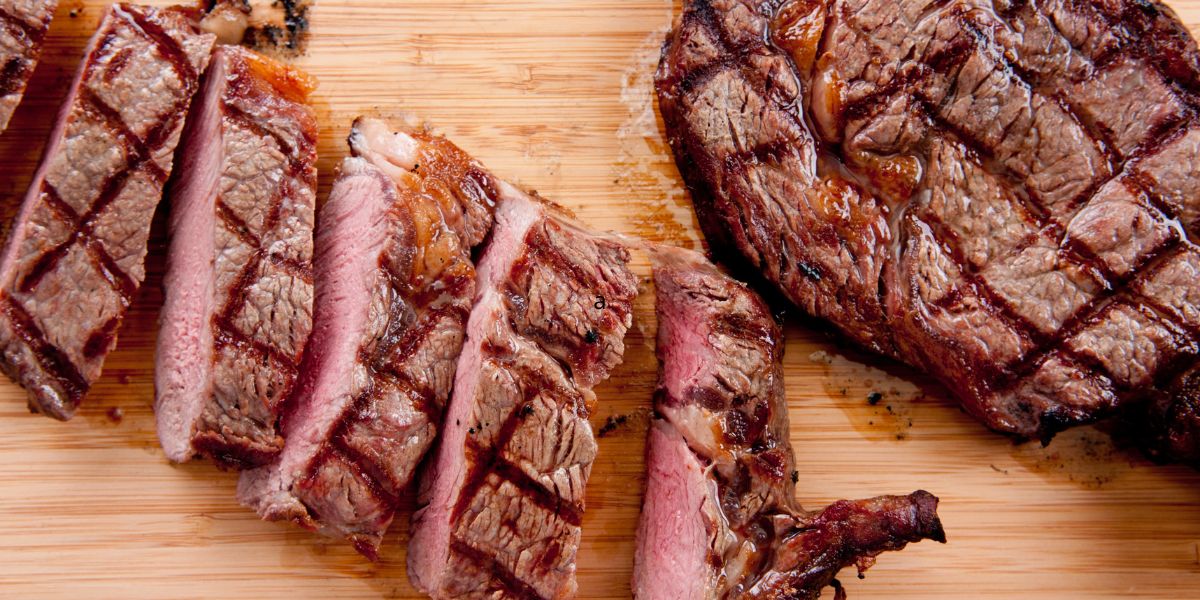
Cultured meat, also known as clean meat or cellular meat, is produced from muscle stem cells of animals, which are grown in a controlled laboratory environment.These cells are extracted by means of a minimally invasive biopsy, and then are multiplied in a nutrient-rich culture medium, forming muscle tissue.The end result is a meat product with sensory and nutritional characteristics similar to conventional meat, but without the need for animal slaughter.
One of the main advantages of lab-grown meat production is the reduction of the environmental impact associated with traditional livestock farming. Raising animals for human consumption accounts for a significant portion of greenhouse gas emissions, deforestation and the use of natural resources such as water and land. The production of cultured meat, on the other hand, requires less space, water and energy, as well as not generating animal waste and drastically reducing greenhouse gas emissions.
In addition to the environmental benefits, laboratory-grown meat also offers advantages over animal welfare. The technique eliminates the need for animal confinement, transportation and slaughter, issues that have been increasingly debated by society. The production of cultured meat allows obtaining meat products without the animal suffering associated with industrial livestock, meeting the growing demand of consumers for more ethical and sustainable options.
Another advantage of cultured meat is the possibility of customization and nutritional improvement.Because it is produced in a controlled environment, it is possible to adjust the composition of the meat, such as fat content, fatty acid profile and the presence of specific nutrients.This paves the way for the development of meat products with additional nutritional benefits, such as higher omega-3 content or lower saturated fat content, meeting the needs of different groups of consumers.
However, the production of lab-grown meat still faces some challenges. One of them is the cost of production, which is currently significantly higher than that of conventional meat.Research and technological advances are being conducted to make the process more efficient and scalable, aiming to reduce costs and make cultured meat more accessible to consumers.
Although there is a growing interest in more sustainable and ethical alternatives, some consumers may still resist the idea of consuming meat produced in the laboratory.Education and transparency about the production process, as well as ensuring product safety and quality, will be key to overcoming this barrier.
Despite the challenges, the production of lab-grown meat has attracted significant investments from companies and investors around the world. Startups and large companies in the food sector are betting on this technology as a way to meet the growing demand for animal protein in a more sustainable and ethical way. Partnerships between industry, academia and regulatory bodies will be essential to boost the research, development and commercialization of cultured meat.
In conclusion, the production of lab-grown meat represents a significant change in the way we produce and consume meat.This innovative approach offers environmental, animal welfare and nutritional personalization benefits, addressing many of the concerns associated with traditional livestock farming. While there are still challenges to overcome, such as cost and consumer acceptance, the potential of cultured meat to revolutionize the meat industry is undeniable.As technology advances and becomes more accessible, cultured meat can become an increasingly viable and popular option, contributing to a more sustainable and ethical future in food production.



