

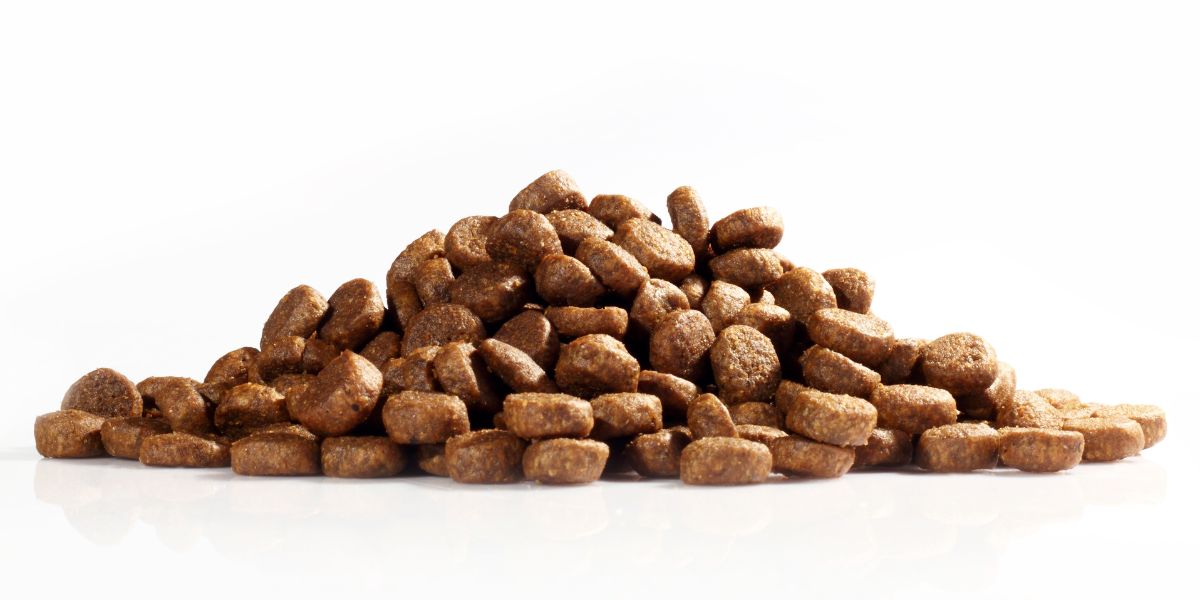
Livestock plays a key role in food production and global food security.However, the growing demand for animal products, along with concerns related to sustainability and environmental impact, has driven the search for innovative solutions in animal feed.In this context, the development of sustainable feed emerges as a promising strategy to reconcile livestock production with the preservation of natural resources and the mitigation of climate change.
Sustainable diets are formulated based on ingredients that have lower environmental impact, higher feed conversion efficiency and lower competition with human food. One of the main focuses is the reduction of the use of conventional ingredients, such as soybeans and corn, which are associated with deforestation, biodiversity loss and greenhouse gas emissions. Instead, the use of alternative sources of protein and energy, such as agro-industrial by-products, crop residues and unconventional foods is sought.
One of the promising approaches in the development of sustainable feed is the use of insects as a source of protein. Insects, such as black-welded fly larvae and crickets, have high protein content, adequate amino acid profile and excellent feed conversion efficiency. In addition, insect breeding requires less space, water and energy compared to conventional animal protein production, resulting in a significantly lower environmental footprint. The incorporation of insect meal into poultry, swine and fish feed has shown promising results, with zootechnical performance comparable to that of traditional feed.
Another strategy is the use of alternative plant protein sources, such as legumes, algae and yeasts. These sources have high nutritional value and can be produced more sustainably compared to conventional crops. For example, the incorporation of algae flour in ruminant feed has shown benefits in reducing emissions of enteric methane, a potent greenhouse gas.In addition, the use of yeasts grown on low-cost substrates, such as agroindustrial waste, offers a high-quality protein source and promotes circular economy.
The development of sustainable feed also involves optimizing feed efficiency through precise nutritional strategies.The use of food additives such as enzymes, probiotics and organic acids can improve nutrient digestibility, reduce the excretion of undigested nutrients and promote intestinal health of animals. This results in better utilization of food resources, less waste and reduced environmental impact associated with animal production.
In addition, the use of precision technologies such as precision nutrition and personalized feeding allows adjusting the formulation of feed according to the specific needs of each animal or batch. This avoids overfeeding and nutrient waste, resulting in greater feed efficiency and lower environmental impact.The integration of sensors, data analysis and artificial intelligence in feed formulation allows a more accurate and sustainable approach to animal feed.
However, the development and adoption of sustainable feed still face challenges. The availability and cost of alternative ingredients can be limiting, especially in regions with less access to these resources.In addition, the acceptance of producers and the need to adapt production systems may require awareness and training efforts. Collaboration between industry, academia and regulatory bodies will be critical to overcome these challenges and drive the transition to more sustainable animal feed.
In conclusion, the development of sustainable feed is an essential strategy for the livestock of the future. The use of alternative ingredients such as insects, plant protein sources and agro-industrial by-products, together with the optimization of food efficiency and the use of precision technologies, allows to reconcile animal production with environmental sustainability. This innovative approach not only reduces the environmental impact of livestock, but also promotes food security, circular economy and the efficient use of natural resources. As awareness of the importance of sustainability in food production increases, the development and adoption of sustainable feed will become increasingly relevant and necessary for a more balanced and resilient future in livestock.



