

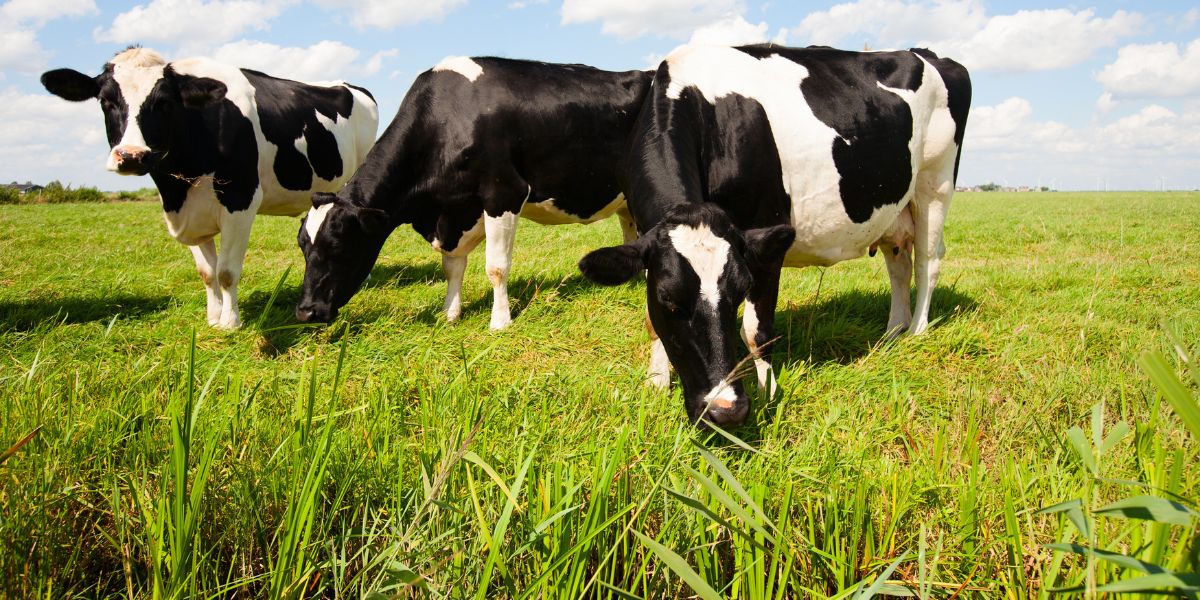
Organic livestock is a modern technique that has been used to improve the quality of the products obtained. But what are the benefits of this practice? In this article, find out how organic livestock can benefit from the consumer to the environment.
What is Organic Livestock?
Organic livestock is a form of animal husbandry that follows the principles of organic farming. Animals are raised in natural environments, without the use of hormones or other chemicals, and fed a balanced diet based on forage and grain.
Organic livestock aims to produce meat, dairy, eggs and other products derived from healthy animals, as well as preserve the environment.In addition, organic livestock also promotes the welfare of animals, ensuring that they have access to a natural habitat and are treated humanely.
Benefits for the environment
Organic livestock is a type of agriculture that promotes animal welfare, soil productivity and water conservation. These are some of the main benefits of organic livestock for the environment:
Soil protection: organic livestock avoids the use of pesticides and chemical fertilizers, which can cause damage to the soil. In addition, soil management practices in organic livestock maintain their fertility, allowing it to be a renewable resource.
WATER conservation: irrigation and the use of pesticides in conventional agriculture can contaminate water sources. Organic livestock, on the other hand, does not use these chemicals, thus protecting water quality.
Animal welfare: good management practices in organic livestock ensure that cows are treated humanely.In addition, animals have access to the outdoor area and can graze freely, which contributes to their health and well-being.
Sustainable production: organic livestock has a low environmental impact, as it eliminates the use of pesticides, chemical fertilizers and other toxic substances.In addition, it is a more efficient source of food production than many conventional practices.
Benefits for animals
Organic livestock offers several benefits for animals. Animals are raised in more natural environments, with less stress and with access to organic food. This results in a healthier animal and less prone to diseases. In addition, organic livestock promotes animal welfare, providing a more natural and humanized environment for animals.
Benefits for human health
Organic livestock offers numerous benefits for human health. Due to more natural management practices, animals are less prone to disease and consequently require less antibiotic. In addition, organic food is rich in nutrients and has a higher nutritional profile than those fed with industrial by-products. Weight gains are slower, but meat is leaner and healthier. Finally, the working environment in organic livestock is generally safer and healthier, as there is no exposure to toxic chemicals.
Disadvantages of Organic Livestock
Organic livestock has some disadvantages compared to conventional practices. Firstly, the conversion of a farm to organic production can be a time-consuming and expensive process. In addition, farmers need to follow strict rules to maintain organic certification, which can be costly and make it difficult to adopt this practice. Another disadvantage is that organic plants are more susceptible to diseases and pests, as they cannot receive control chemicals. This means that farmers need to adopt alternative control measures, such as the use of natural insecticides, which can be costly and laborious.
Conclusion
In organic livestock, animals are raised in natural environments and without chemical additives, which makes meat healthier for consumption. In addition, organic livestock contributes to the reduction of greenhouse gas emissions, since animals raised in this way have less impact on the environment.



