

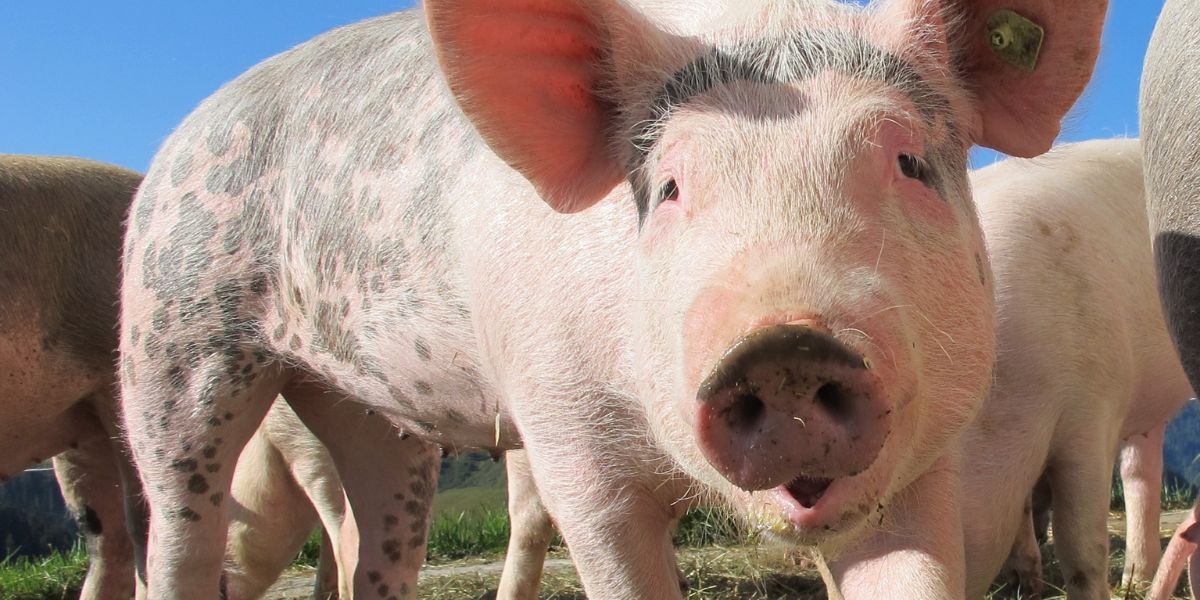
Pork farming in Brazil is an activity that has grown in recent years, especially in the agro-industrial sector.In this article, we will discuss the main factors that contribute to the development of this industry, as well as the prospects for future growth for it.
Pork farming in Brazil
Pork farming in Brazil has stood out as an important sector of the Brazilian economy. Brazil is the second largest producer of pigs in the world, behind only the United States, and the third largest exporter of pork, behind China and Germany. Brazilian pork is responsible for about 1.5% of the Brazilian GDP and generates about 2.5 million direct and indirect jobs.
Pork is an important food product in Brazil and worldwide. The demand for pork has grown in recent years due to its low fat content and its delicious taste. Pork is also an important source of animal protein, which is essential for the proper functioning of the human body.
Brazilian pork has faced some challenges in recent years, such as the reduction of market prices, increased international competition and the growth of the cost of production.
The main reasons for the growth of Brazilian swine livestock include: improvements in animal quality; investments in biotechnology; the development of new production technologies; investments in infrastructure, such as transportation, storage and slaughterhouses; and the diversification of the portfolio of products available to consumers.In addition, the government has encouraged swine livestock with specific programs aimed at innovation in production and preservation of the environment.
In addition, there is great potential for the growth of swine livestock in Brazil, due to its rich cultural heritage, its vast territory and its emerging consumer markets.The expectation is that swine livestock will continue to grow in the coming years, with positive impacts on the Brazilian economy.
The different breeds of pigs
In Brazil, pork is divided into two broad categories: industrial and traditional. The first is responsible for about 80% of the total pork production in the country and involves intensive breeding sites, where animals are kept in cages or cages and fed with balanced feed. The second category, on the other hand, represents a more artisanal model of breeding and covers several breeds of pigs that are kept in semi-intensive or extensive environments. Some of these breeds are:
''Black Belgian pigeon: one of the oldest breeds in Europe, it is characterized by its imposing size and its precious meat, which is considered one of the best in the world.
Yorkshire is one of the most popular breeds in the United States, and is also one of the most productive, producing up to 20 kg of meat per animal.
The different types of pig farming systems
The pig farming in Brazil is divided into two major systems: the Conventional System and the Semi-Intensive. The first is characterized by the intensive use of inputs, such as balanced feed, treated water and medicines. The second has a higher level of integration with nature, using forage and organic matter to feed the animals.
Advantages and disadvantages of swine farming
Pork is one of the fastest growing agricultural activities in Brazil. According to IBGE data, the country is the third largest producer of pork in the world, behind only China and the European Union. National production corresponds to about 10% of the world supply.
However, swine farming also has its problems. One of the main concerns is with the health of animals. Diseases such as Classical Swine Fever (CSF) and Foot-and-Mouth Fever are constant on farms and can cause major financial losses for producers.
In addition, swine production generates a great environmental impact.The main problem is slurry, a liquid that accumulates in the basements of farms and contains several toxic compounds that pollute the soil and groundwater. Another negative point is the emission of greenhouse gases from intensive farming facilities.
Advantages:
. It is an activity that generates significant profits for producers;
Enables sustainable land use;
''Pig meat has high nutritional value, with a large amount of protein and minerals;
. The rural economy also benefits from swine farming.With the remuneration of producers, the entire region can develop;
io Brazil has great weather conditions to raise pigs.
Disadvantages:
Infectious diseases can affect animals and generate financial losses for producers;
there is a large environmental impact on pork production, such as water and soil contamination;
''Can generate social problems, such as the exploitation of child labor.
Pig feed
Pigs are fed mainly grains such as corn and soybeans.They can also be fed by-products of the food processing industry such as wheat bran and sugarcane bagasse.However, the diet of pigs needs to include animal protein to provide the essential nutrients for healthy growth and development.The most common source of animal protein in the diet of pigs is meat and bone meal, which is a byproduct of the slaughter industry.



