

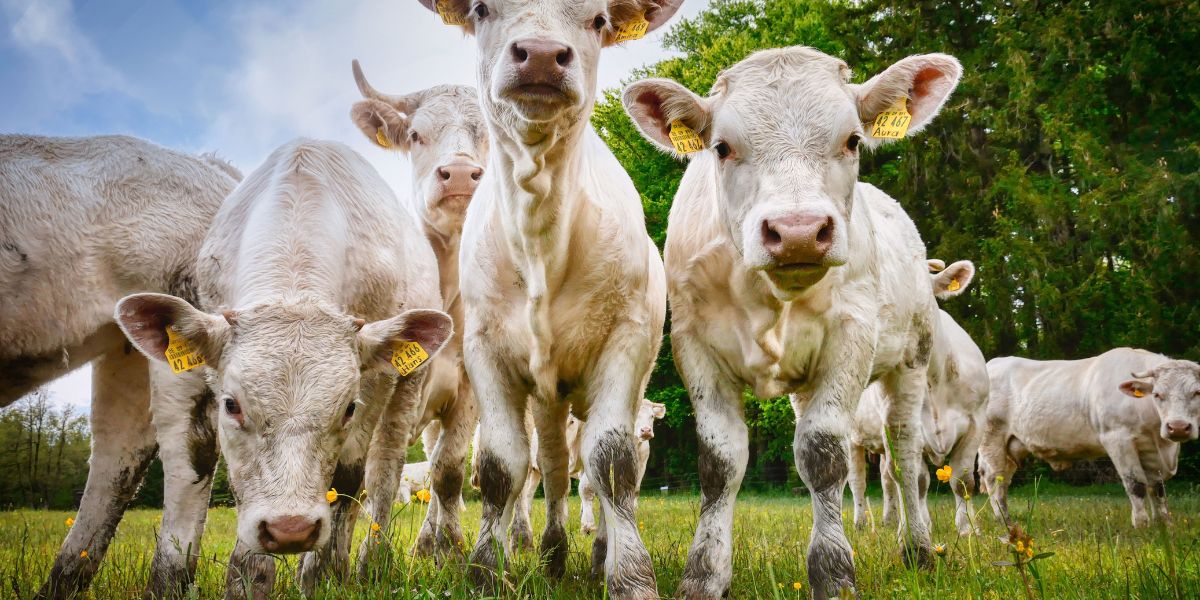
Around the world, herds are subject to a variety of health risks.From bacterial infections to toxic plant poisoning, diseases are one of the main problems faced in herd management.In this article, we will explore the different types of diseases that can affect herds and how proper management practices can help protect these vulnerable animals.
Introduction
Diseases in livestock are a serious problem for farmers.They can reduce the productivity of animals and, in some cases, even kill them. Some diseases are transmissible to humans, which makes it even more important to control these diseases.
Diseases that can affect the animals of a herd
Diseases that can affect animals in a herd are many and varied. Some are transmissible from animal to animal, others are contracted by contact with contaminated food or water. Still other diseases can be caused by the environment in which the animals live, such as rinderpest.
Communicable diseases among animals in a herd are the most dangerous, as they can spread quickly and cause great losses in a short time. One of the most feared diseases is brucellosis, which can be transmitted by direct contact with the milk or contaminated meat of an infected animal. Another serious disease is tuberculosis, which can be transmitted by air or by contact with contaminated objects.
Diseases contracted through contact with contaminated food or water are also quite dangerous, since they can affect several animals at once. One of the most common diseases is leptospirosis, which can be contracted by contact with water or dirty food.
Finally, diseases caused by the environment in which animals live are also important to monitor. For example, rinderpest is a very contagious viral disease that mainly affects cattle and sheep in precise conditions of inadequate climate and feeding.
Prevention of diseases in herds
Diseases in herds are a common problem and can cause a lot of stress and pain to animals. Fortunately, there are steps you can take to help prevent your animals from getting sick. Here are some tips:
^create a vaccination program for your animals and make sure all animals are properly vaccinated.
''Keep your animals in good health by feeding them properly and providing them with fresh, clean water.
^Cuide your handling facilities so that they are always clean and well ventilated.
''Wash your hands often, especially if you come into contact with other animals or herds.
''If an animal shows signs of disease, isolate it immediately from others to prevent the spread of the disease.
Care to be taken with sick animals
( Be careful when handling sick or quarantined animals;
Wash your hands well and wear gloves when handling any material that may be contaminated (e.g., feces, urine, blood);
Avoid contact with sick animals;
Do not feed sick animals;
''Do not let children play with sick animals.
Diseases that can be transmitted to humans
Diseases that can be transmitted to humans are those that affect animals and, consequently, also humans. Some of these diseases are: brucellosis, leptospirosis, toxoplasmosis, tuberculosis, salmonellosis and Bovine Spongiform Encephalopathy (BSE).
Conclusion
Cattle are susceptible to various diseases that can be contracted by contact with other animals or the environment. Some of these diseases are easily treated, while others can be more serious and even fatal. It is important to be aware of the main risks of diseases for the herds and take the necessary precautions to keep them healthy.



