

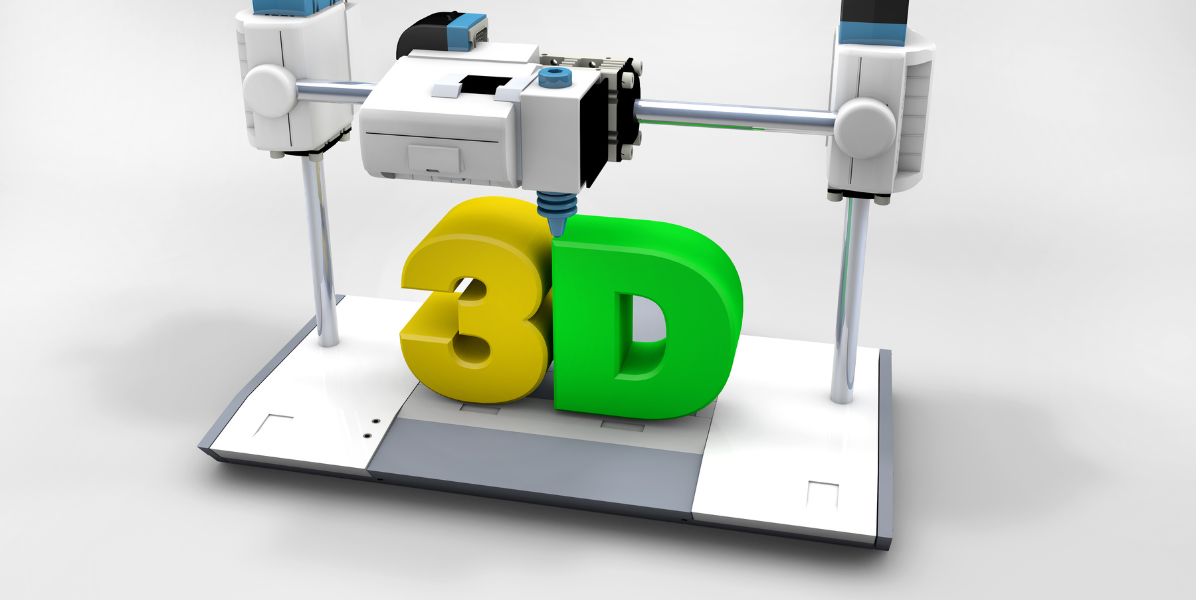
3D printers are revolutionizing the way livestock customizes and manufactures their products. With this technology, you can create unique and specific designs to meet the needs of the agricultural sector.If you do not yet know the advantages of 3D printers in livestock, read on and find out how this innovation is transforming the market.
Introduction
Livestock is a sector that is growing in Brazil, and with this, new business opportunities arise. One of the areas that has stood out is the customization of products for this market. And one of the technologies that has facilitated this process is 3D printing.
3D printers are capable of producing parts with complex geometries and precise details, which makes them ideal for the production of prototypes and unique parts.In addition, they also allow the manufacture of products in small quantities, which is ideal for companies that are starting their activities.
However, it is important to note that 3D printing is not suitable for all products. It is necessary to assess whether the product can be manufactured with this technology and whether it meets the needs of the customer.
3D printers for livestock: how do they work?
3D printers are increasingly present in our lives, not only in the production of personal objects or in the arts, but also in agriculture and livestock.
Livestock farming is an area that has been benefiting more and more from technology, and 3D printers are one of the main tools for the customization of products for this sector.
3D printers allow products to be manufactured to customer specifications, which makes it possible to meet the specific needs of each farm and herd.
In addition, 3D printers can also be used to print products with logos and other custom identifications, which makes it easier to identify animals and products derived from them.
How do 3D printers work for livestock?
3D printers for livestock work the same way as ordinary 3D printers, using a process called filament fusion.In this process, the design file is transformed into machine data, which is sent to the 3D printer. The printer then takes the data and creates the desired object using plastic and metal filaments.
Filaments are deposited layer by layer until the product is completed. The use of 3D printers for livestock allows you to produce custom accessories for animals, such as earrings for identification, vaccination seals or leadership guides.
In addition, 3D printers can be used in the production of custom food products such as balanced animal feed and nutritional supplements.
Benefits of using 3D printers in livestock
Livestock is a sector of the economy that is growing every year and with this, new demands for customized products for animals arise. These demands can be met with the use of 3D printers, which allow the manufacture of products tailored to the animal.
In addition, 3D printers also allow products to be manufactured with more durable and durable materials, which is ideal for products intended for animals.
Successful cases in the use of 3D printers in livestock
Livestock is a sector that is growing a lot in Brazil, and this brings a number of opportunities for those who invest in this market. One of the areas in which 3D printing technology has been used successfully is in the customization of products for livestock.
With 3D printing, it is possible to make products tailored to the specific needs of animals, which ensures greater efficiency and productivity. In addition, 3D printing also allows the creation of rapid prototyping, which is ideal for testing new products before launching them on the market.
In Brazil, there are already several companies that operate in this segment and are getting great results. 3D Printer Farm, for example, is a startup that offers 3D printing solutions for small and medium farmers. With the technology of 3D printer, it is possible to manufacture parts tailored for tractors, agricultural implements and other tools.
Another success case is Criatech, a company that develops customized products for cattle breeders. With 3D printing, it is possible to manufacture more resistant and light vessels that allow greater safety in the transportation of animals.In addition, equipment such as cabrestants, harnesses and electric harnesses are also produced.
3D printing has great potential to offer innovative solutions for Brazilian livestock, improving the quality of products and services for livestock farmers.
Conclusion
3D printers have become an extremely useful tool for customizing livestock products. They allow farmers to create unique, high-quality items such as drinking fountains and feeders tailored to their specific needs.In addition, 3D printers can also be used to manufacture more complex equipment such as tractors and trucks. With all these advantages, it is easy to see why 3D printers are becoming increasingly popular among farmers.



