

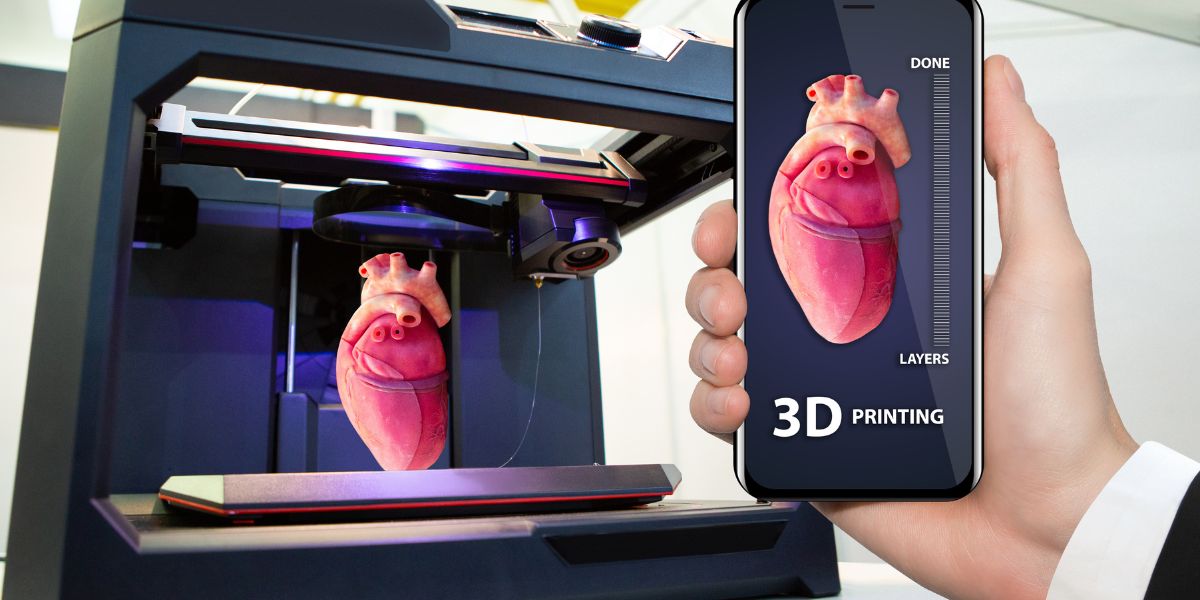
Introduction to 3D printing in livestock
The 3D printer is a technology that has revolutionized several sectors, including livestock. This tool allows the creation of three-dimensional objects from a digital model, using materials such as plastic, metal and even biological tissues.In livestock, the 3D printer has been used as a research tool for the development of new products and technologies that can improve animal production and welfare.
How the 3D printer can be used as a research tool in livestock
The 3D printer can be used in livestock in many ways, from the creation of prostheses for animals to food production. One of the most common applications is the creation of three-dimensional models of organs and animal tissues for studies and tests of new drugs and treatments. In addition, the 3D printer can be used to create customized prostheses for animals that have suffered injuries or amputations.
Another application of 3D printer in livestock is food production. With this technology, it is possible to create personalized food for each animal, taking into account their specific nutritional needs.In addition, the 3D printer can be used for creating food with different textures and flavors, which can stimulate the appetite of animals and improve their health.
Examples of 3D printer applications in livestock
An example of the application of the 3D printer in livestock is the creation of prostheses for animals. In 2019, a cow that lost one of its front legs in an accident received a 3D printed prosthesis. The prosthesis was created from a three-dimensional model of the cow's paw and was customized to fit perfectly into the animal. With the prosthesis, the cow was able to walk again and move normally.
Another example of the application of 3D printer in livestock is the production of personalized food. In 2018, an American company created a 3D printer capable of producing pet food. The printer uses natural ingredients and customizes the texture and flavor of food according to the needs of each animal. This technology can also be applied in the production of large animal feed, such as cows and pigs.
Advantages and disadvantages of using 3D printer in livestock
One of the main advantages of using 3D printer in livestock is the possibility of customization. With this technology, it is possible to create specific products and foods for each animal, taking into account their individual needs.In addition, the 3D printer allows the creation of complex and detailed objects, which can be useful in studies and tests of new technologies.
On the other hand, the use of 3D printer in livestock also has some disadvantages. One of them is the high cost of technology, which can be an obstacle for small producers.In addition, the 3D printer still has limitations in relation to the materials that can be used, which can limit its application in certain areas of livestock.
Future perspectives of the use of 3D printer in livestock as a research tool
The future prospects of using 3D printer in livestock are quite promising. With the advancement of technology, it is possible that the 3D printer will become more accessible and that new materials will be developed for its use in livestock. In addition, the 3D printer can be used in conjunction with other technologies, such as artificial intelligence and robotics, to create even more advanced solutions for animal production.
Conclusion: the importance of 3D printer in livestock for the advancement of research and development in the area
The 3D printer is an important tool for the advancement of research and development in livestock. With this technology, it is possible to create customized products and food for each animal, as well as to conduct studies and tests of new technologies. Despite the limitations and challenges, the 3D printer has great potential to improve production and animal welfare, which can bring benefits to both producers and consumers.



