

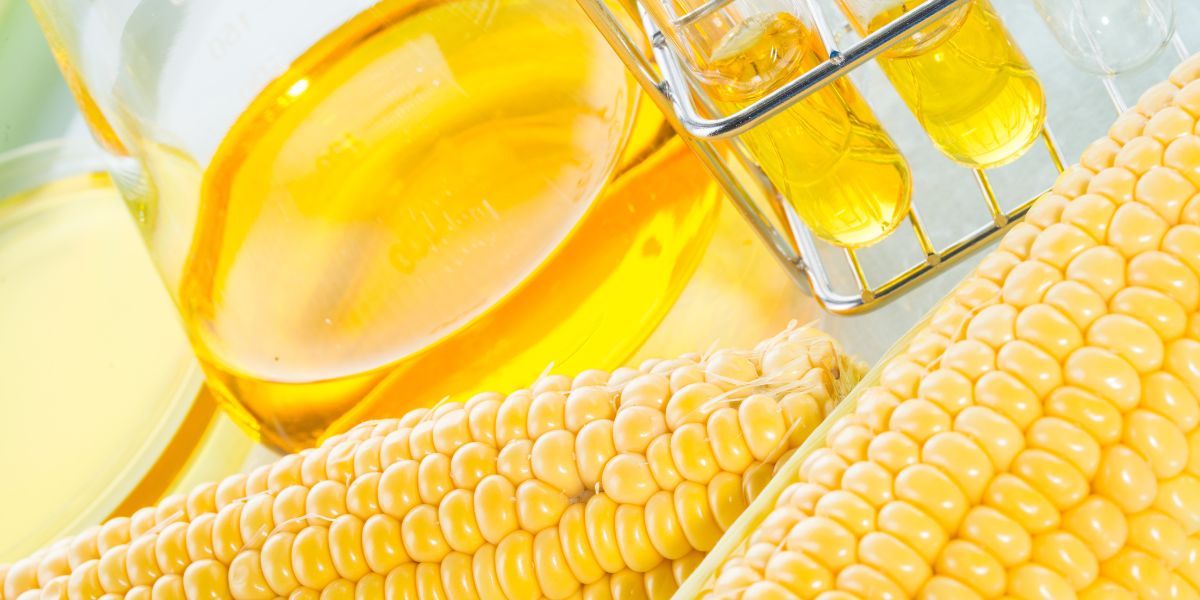
Did you know that there are sustainable alternatives to boost the agricultural sector? Biofuels are one of these promising options. In addition to being less polluting than fossil fuels, they can be produced from various agricultural raw materials, generating income and development for rural communities. In this post, we will explore more about this economically and ecologically viable alternative. Come on!
What are biofuels?
Biofuels are fuels that can be obtained from biomass, that is, renewable organic matter. Biomass can be originated from various sources, such as vegetables (eg sugarcane, corn and soybeans), agricultural and animal waste (eg sugarcane bagasse and cotton, wood chips and cattle manure).
Biofuel production aims to reduce Brazil's dependence on fossil fuels (oil, natural gas and coal), which are non-renewable sources of energy.In addition, biofuels have a lower environmental impact than fossil fuels, as they emit less carbon into the atmosphere.
What are the main types of biofuels?
- Biodiesel: It is a liquid fuel produced from vegetable or animal oils.It is used as an alternative to fossil diesel and can be mixed in any proportion with the latter.Biodiesel has a number of advantages, including lower environmental impact, higher biodegradability and lower toxicity.
- Biogas: It is a gas produced from the anaerobic decomposition (without oxygen) of organic materials such as agricultural waste or sewage. Biogas is mainly composed of methane and carbon dioxide and can be burned to produce electrical or thermal energy.It can also be injected into the existing natural gas network to power stoves and other household equipment.
- Ethanol: It is a liquid fuel produced from biomass such as grains, sugarcane or plants. Ethanol is usually mixed with gasoline to produce a less polluting fuel.
- Hydrogen: It is produced from water through electrolysis and can be used to power internal combustion engines that generate electrical energy without emitting polluting gases.
Advantages and disadvantages of biofuels
Biofuels are an energy option that is gaining ground in the agricultural sector.They can be produced from various materials, such as sugarcane, corn and soybeans.In addition, Brazil is a major producer of biofuels, which makes them even more interesting for the sector.
The main advantage of biofuels is that they are renewable and non-polluting.This means that they do not contribute to global warming and are a clean energy resource.In addition, biofuels can be produced locally, which can reduce Brazil's dependence on other countries for its energy sources.
However, biofuels also have some disadvantages. For example, the production of ethanol from sugarcane can cause the destruction of forests, as large areas are necessary for production. In addition, there are costs associated with the production of biofuels, such as spending on equipment and raw materials. Finally, the production of biofuels can also require high levels of energy, which can increase final costs.
What sectors can be affected by the use of biofuels?
The use of biofuels can positively affect several sectors of the Brazilian economy. Among the main, agribusiness and the automotive industry stand out.
The agricultural sector is the main producer of raw materials for the production of ethanol and biodiesel, such as sugarcane, soybeans and corn. The replacement of gasoline with ethanol in fossil fuel-powered automobiles contributes to the reduction of Brazil's dependence on oil imports, in addition to generating income for the farmer and promoting sustainable development.
The automotive industry also benefits from the use of biofuels, since flex engines are cheaper than traditional gasoline and diesel engines.In addition, domestic automakers are investing in research and development to produce increasingly efficient vehicles with lower emissions of polluting gases.
Other sectors that can benefit from the use of biofuels include the chemical industry, which produces the additives necessary for the proper functioning of flex engines; road transport, which can offer cheaper and less polluting fuel for its vehicles; and electric power companies, responsible for supplying ethanol and biodiesel production plants.
Examples of Biofuels projects
Lichen Biodiesel Plant in Rondonia: the plant, which is located in the Chico Mendes Extractive Reserve, is fed by microalgae and lichens, plant species that grow on the rocks.The project aims to make the Reserve a major biodiesel producer pole, thus ensuring the income of extractivists and the preservation of the Amazon.
Jatropha project in the Brazilian Semi-Arid: the project aims to cultivate the Jatropha curcas plant, whose seed is rich in oil, to produce biodiesel. The Jatropha plant can be grown in dry and sandy soils, which makes it the ideal project for the Brazilian semi-arid.
Bio-digesters for Biogas Production: biodigesters are equipment that transforms organic material into biogas, a clean and renewable fuel.The project aims to install biodigesters on rural properties so that they can produce



