

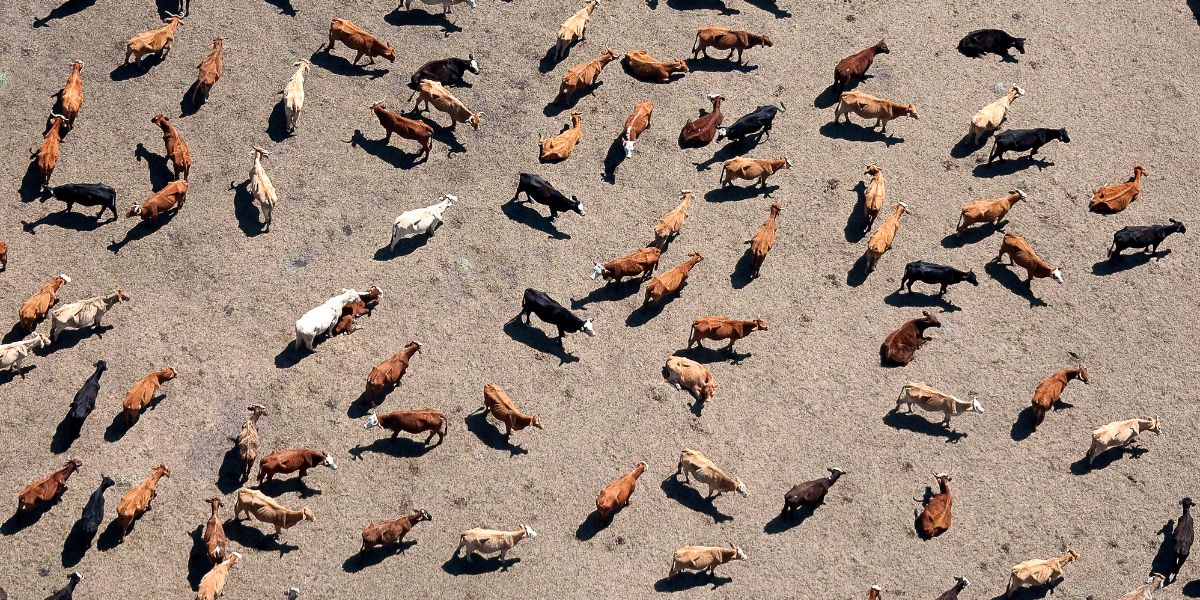
Did you know that livestock is one of the activities that contribute most to air pollution? Yes, that's right! And this can bring serious problems both for animals and for people involved in this industry. So in this article we will talk about how to monitor and control air quality in livestock. Follow carefully and discover important measures that can be taken to ensure a healthy and safe working environment, as well as assist in caring for the environment.
What is air pollution in livestock?
Air pollution in livestock is caused by the emission of gases such as ammonia, methane and carbon dioxide present in the excrement of animals. This emission occurs mainly in closed places, such as stables, where ventilation may be insufficient to ensure air renewal.
Inhalation of these gases can pose serious health risks to both animals and people working on site. Prolonged exposure can cause respiratory problems, eye and nose irritation, and even serious lung diseases.
In addition, air pollution in livestock also contributes to global warming and other important environmental issues.It is therefore essential to constantly monitor the air quality in these environments and take preventive measures to minimize this emission of gases.
There are several techniques available today that help in air quality control in livestock. It is important to implement them properly always aiming at animal welfare and health of people involved in this activity so important to our society.
How to monitor air quality in livestock?
Monitoring air quality in livestock is critical to ensuring animal welfare and maintaining a healthy environment for workers handling them.
There are several ways to monitor air quality in livestock facilities, such as through electronic sensors or specific measuring equipment. It is important to choose the method that best suits your property needs.
A key point in monitoring air quality is to be aware of toxic gases that can accumulate in environments where animals are housed, such as ammonia and methane. These gases are produced mainly by the feces and urine of animals, in addition to natural metabolic activities.
To avoid high concentrations of these gases in the environment, some simple practices can be adopted by farmers, such as improvements in the ventilation of the facilities and frequent cleaning of the areas where the animals remain.
In addition, it is also possible to use advanced technologies to reduce the environmental impact caused by livestock activity. One option is to invest in anaerobic composting systems or biodigesters that transform organic waste into renewable energy.
In summary, monitoring air quality in livestock brings benefits to both producers and animals and the environment. Using efficient measurement methods combined with the adoption of good management practices is essential to ensure a healthy environment
What are the main air quality controls in livestock?
To maintain air quality at optimal levels for animals, there are several measures that can be adopted in livestock. Some of the main control techniques include:
- Proper ventilation: one of the most important aspects in air quality control in livestock is to ensure adequate ventilation in environments where animals are kept.
- Regular cleaning: keeping the facilities clean and sanitized is essential to reduce the concentration of pollutants in the air. The daily removal of solid waste produced by animals is also important.
- Use of filters: the use of filters at the vent system outlets can help reduce the amount of dust and other contaminants present in the air.
- Control of relative humidity: high levels of humidity can favor bacterial and fungal growth, as well as increase the thermal sensation in animals.
- Genetic selection: some breeds have greater resistance to heat stress and poor air quality.
These are just some of the measures that can be taken to ensure good air quality in livestock!
Final considerations
Finally, it is important to highlight that monitoring air quality in livestock can bring several benefits to the health of animals and people involved in the process. Using the correct pollution control techniques, it is possible to improve production efficiency and reduce occupational risks of workers.
In addition, investing in sustainable measures can also contribute to a positive image of the company towards its consumers and employees. After all, more and more people are concerned about environmental and social issues related to food production.
For all this, it is essential that rural producers are aware of regulatory standards and seek to implement sustainable practices in their properties. Only in this way will it be possible to ensure a healthy future for both the environment and for the agricultural activity itself.



