

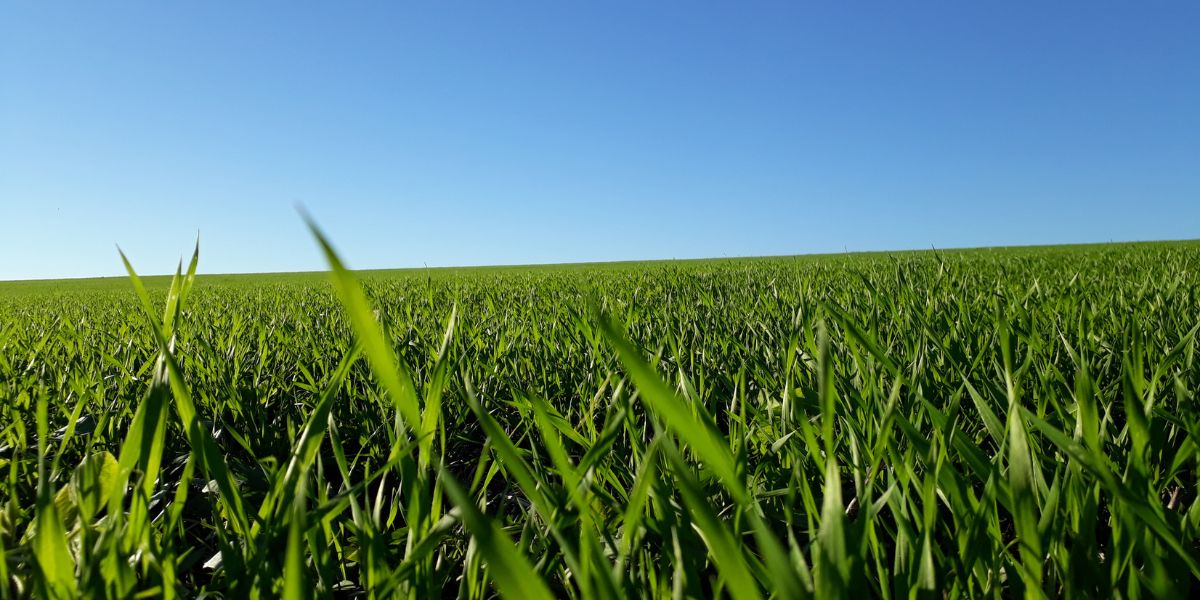
Did you know that changing pastures on your farm can bring numerous benefits to both your livestock and the environment? If you are a rural producer and are looking for ways to improve the quality of your soil, increase milk or meat production and still contribute to sustainable practices, this article was made especially for you! Here you will find valuable tips on how to make the necessary changes to your pastures. Stay tuned to our suggestions and start transforming your property right now!
What are pasture changes?
Pasture changes are necessary to maintain forage quality and prevent soil degradation.In addition, they allow different plant species to be grown in succession, which benefits the soil and increases productivity.
Why change pastures?
The grasslands are the heart of your rural property.They house cattle and other animals, are the main source of food for them and give a beautiful look to the landscape.But like anything else in nature, the pastures need care and attention to remain healthy.
Unfortunately, pastures can deteriorate over time if not properly cared for. Soil erosion, compaction, nutrient loss and weed growth are just some of the problems that can affect pastures.
How to Structure a Pasture Change Plan
The first step in structuring a pasture change plan is to identify the objectives of the change. This may include increasing productivity, improving soil quality, controlling pests and diseases, or reducing maintenance costs. Once the objectives are clear, it is important to understand the current conditions of pastures and what factors may affect the planned change.For example, climate, water availability, and nutrient levels in the soil can have a significant impact on plant health and, consequently, on pasture productivity.
After assessing the current conditions of the pastures and understanding the possible obstacles to change, it is necessary to choose the plant species that will be planted. The type of vegetation that will be planted will depend on the specific objectives of the change, such as soil quality, resistance to pests and diseases or forage production.
Once plant species are chosen, it is necessary to prepare the ground to receive the changes. This includes soil testing to assess nutrient levels and other factors that may affect plant development; preparation of the area through fertilization, cleaning and rotation between species; and biological control if necessary.
The last step is to monitor the change in the first months after the implementation of the plan. This monitoring includes regular assessments of nutrient levels in the soil, analyses of which soil age, monitoring of pest infestation and observations of plant health. By monitoring the change, it is possible to identify problems or points of improvement so that the plan can be adjusted to obtain the best results.
Mitigating the Risks Associated with Pasture Changes
Grassland changes are inevitable on any farm. However, there are methods that can be used to minimize the risks associated with these changes. Here are seven effective ways to do this:
- Before anything else, you need to evaluate your soil and determine if it is suitable for the crop you want to plant.
- If possible, give preference to the native forage species of your region.They will be better adapted to the conditions of your soil and climate and therefore will be less likely to suffer from diseases or pests.
- When planting new grasses, make sure you acquire them from a reliable source.This will ensure that they are healthy and free of diseases and pests.
4. To reduce the risks of cross-contamination, separate the pasture areas being added to the farm from the existing areas.
- Always make sure to use a suitable rotation for your animals and allow pastures to rest between grazing seasons. This will help promote the health of pastures and reduce the risk of many critical problems such as soil erosion and decreased forage quality.
- Use healthy farming practices to keep your land well-nourished and free of toxins. This includes the use of organic fertilizers, proper irrigation, weed control, among other things.
- Keep a detailed record of your pasture management practices, including the species you cultivate, the amount of grasses you have and any changes you make to the soil.This will help you identify and resolve issues quickly before they can cause irreparable damage.
How to Measure the Success of Change
In addition to keeping track of areas that have been changed, it is important to take into account other factors to assess the success of the change. These include soil density, the quantity and quality of forage, the presence of weeds, and the number of animals per hectare.



