

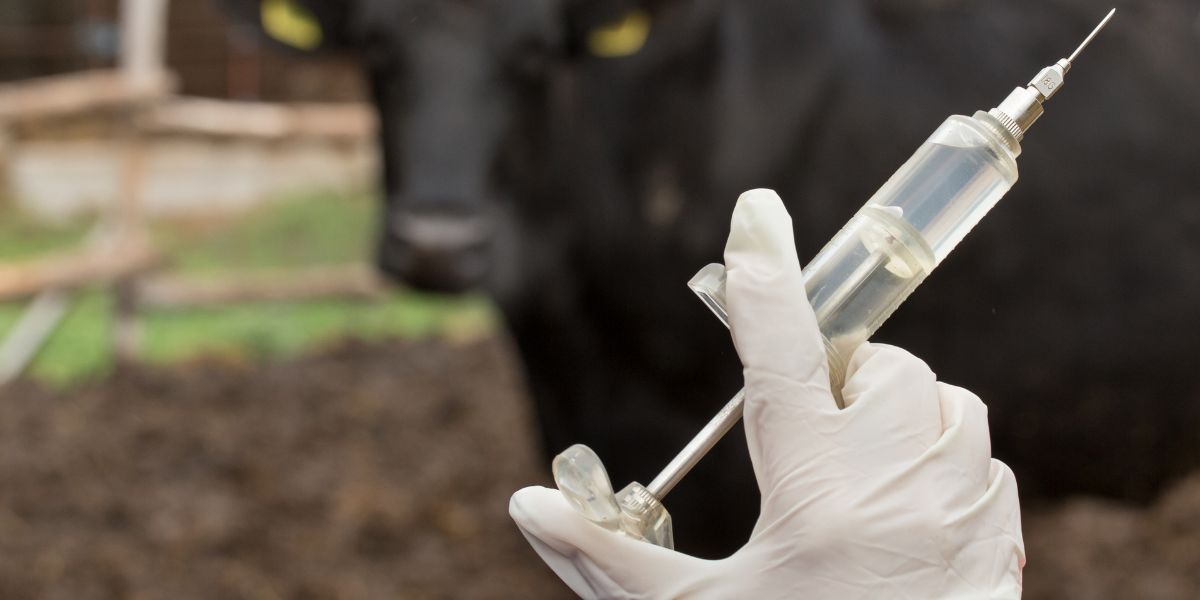
If you are a rural producer, you know that the health of your herd is essential to ensure the success and profitability of your activity. And one of the most important ways to keep your animals healthy is through proper vaccination. But how to define which vaccine to apply at each time of the year? How to organize an efficient vaccination schedule in livestock? In this post, we will teach you everything about how to schedule a vaccination calendar to ensure the health and well-being of your animals.Don't miss!
What's vaccination?
Vaccination is one of the most important procedures in livestock.It protects the herd against diseases and helps maintain the health of the animal population.Vaccination should be done according to a schedule, which must be drawn up by the veterinarian responsible for the herd.
Why is it important to schedule a vaccination schedule for your herd?
Schedule a vaccination schedule for your herd is important for several reasons. Firstly, vaccines help keep animals healthy and protected from disease. In addition, they can also prevent the spread of diseases among animals and other species.Vaccinating your animals is also a way to minimize the risk of losing animals to diseases. Finally, scheduling a vaccination schedule for your herd can help save money in the long term, as it avoids spending on treatment and/or prevention of diseases.
What are the most common vaccines and when should they be given?
The most common vaccines in livestock are BCG, anthrax and brucellosis. BCG should be administered soon after the birth of the animal, while anthrax and brucellosis should be administered in the first months of life. In addition to these vaccines, it is also important to control worms and rabies.
How to set up a vaccination schedule for your herd?
Disease control is one of the main concerns of any livestock farmer. To ensure the health of your herd, it is crucial to keep a vaccination schedule up to date.In this post, we will teach you how to put together a vaccination calendar for your herd.
Vaccines are important to protect your herd against diseases that can be easily transmitted and cause serious health problems. Some of these diseases are:
Seminal Gallbladder Disease (SVD): DVS is a sexually transmitted disease that affects bulls and young oxen. It can cause infertility and even death of infected animals.
Cattle Respiratory Disease (BRD): BRD is one of the major respiratory diseases affecting cattle. It can be fatal, especially for young and old animals.
Bovine Enteric Disease (BED): DEB is a common gastrointestinal disease that affects cattle. It can cause severe diarrhea, dehydration and even death of infected animals.
Now that you know what the main diseases that affect your herd are, let's go step by step to put together the vaccination calendar:
- Research which vaccines are recommended to protect your herd against these diseases.You can consult a veterinarian to learn which vaccines are best suited for your herd.
- Choose the dates each vaccine will be given in your vaccination schedule.Different vaccines have different levels of protection, so you need to decide which dates will be most suitable for the administration of each vaccine.
- Mark the dates on a calendar or other type of spreadsheet.This will help you remember the dates and ensure that all animals in your herd are vaccinated at the right time.
- Set up a system to monitor and document the administration of each vaccine.This system may include printed lists, electronic records, animal identification tags, etc.
- Be sure to check your vaccination schedule periodically to see if everything is in order and up to date. It is important to always be aware of new information about the diseases that affect your herd to prevent them from causing serious problems.
With these steps, you will have an effective vaccination schedule to protect your herd and ensure that it is healthy.
What to do in case of problems
In case of problems, it is important to have an action plan to ensure the health of the herd. Here are some tips:
Identify the problem as soon as possible.This can be done by monitoring the welfare of animals and identifying signs of disease.
Treat sick animals as soon as possible. This includes providing specialized care and, if necessary, veterinary treatment.
Be cautious when handling and storing chemicals and medicines.Follow the instructions for correct use and avoid contaminating other animals or people.
Keep the environments clean and well ventilated. This reduces the risk of respiratory infections and other airborne diseases.
Keep the herd vaccinated. This helps prevent infectious and parasitic diseases.
Clean and periodically disinfect equipment, facilities and accommodation areas.This helps prevent diseases from spreading to other animals and people.
Make regular reviews.This includes checking the health status of the animals and identifying problems early.
Keep a record of all diseases and treatments applied.This helps to monitor herd health conditions as well as medical history of the animals.



