

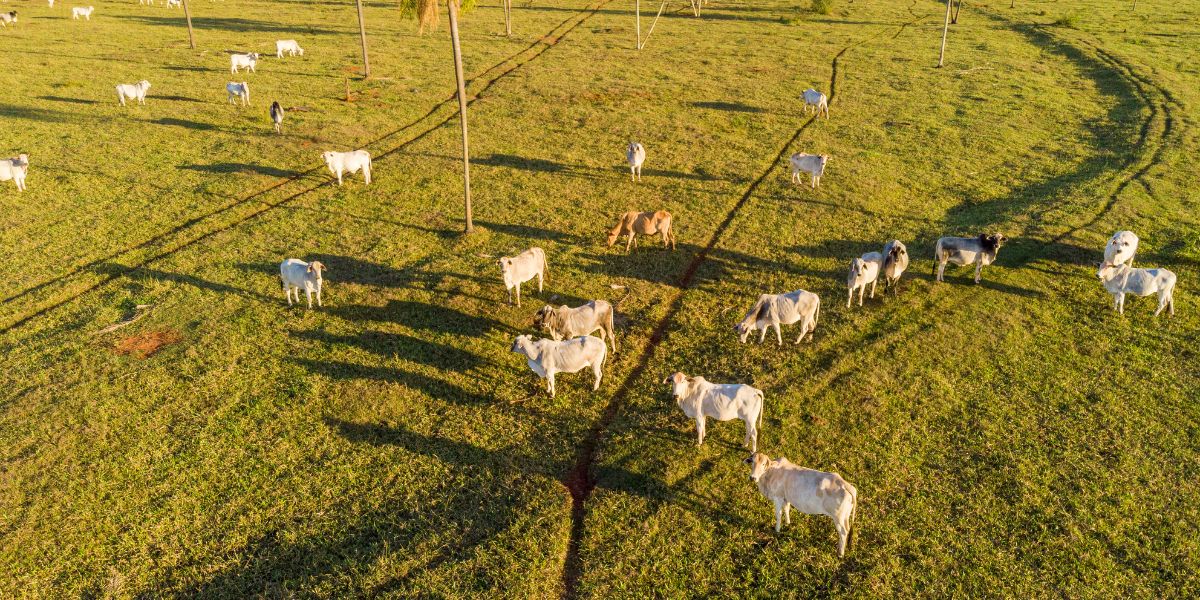
Did you know that soil formation is a crucial factor for the success of livestock? Yeah, many breeders are still unaware of the importance of this theme to ensure quality and sustainable production. In this post, we will explain the main factors related to soil formation in livestock and how they directly influence the development of animals and the profitability of the activity. Prepare to better understand this fundamental issue for those who work with livestock!
What is soil formation?
Soil formation is the process by which soil becomes fit for agriculture. This process is important in livestock, as it directly influences the quality of forage and, consequently, the health and welfare of animals.
The process of soil formation can be divided into three main stages: erosion, deposition and chemical change.Erosion is the process by which soil is dragged by rain or wind waters.Deposition occurs when these waters deposit eroded material elsewhere.The chemical change of soil is caused by the reactions between minerals present in the soil and the chemical substances released by living organisms that inhabit it.
Soil formation takes many years and is a continuous process.The type of rock that exists in the region, the climate, vegetation and the animals that inhabit there have a direct influence on soil formation. Therefore, it is an important mechanism for the natural balance and agricultural productivity of the region.
Why is it important for livestock?
Agriculture is an activity that generates income and food for the population, but also represents an important sector of the economy. Livestock, in turn, is the branch of agriculture that is dedicated to raising animals for commercial purposes, with cattle farming being one of the main segments.
Although livestock activity is vital for Brazil, it still faces several challenges, including low animal yields. One of the main causes of this problem can be found in soil formation.
Soil is the main natural resource used in agriculture and livestock, therefore, its quality directly influences the yield of activities. In recent years, due to climate change and soil erosion, many rural properties have faced productivity problems.
To ensure the success of livestock activity, it is essential to invest in solutions that allow the increase of soil quality. The adoption of management techniques such as plant cultivation to improve fertility and soil resistance, as well as soil conservation practices, are fundamental to contribute to the good performance of the herds.
In addition, other preventive measures can also be adopted such as vaccination programs, genetic improvement and environmental control. All these initiatives are important to ensure adequate levels of productivity in livestock and contribute to the success of this activity in Brazil.
What are the main factors affecting soil production?
Soil is the main component of the productive system of a farm. It is from it that plants and animals feed, drink water and reproduce. Soil formation is therefore a natural process essential to life on the planet.
However, this process can be affected by several factors, such as the presence of rocks and stones, wind and water erosion, or even human activities.
Erosion is one of the main problems faced by soil producers.It occurs when the soil is dragged by wind or water and ends up settling elsewhere.This loss of soil material decreases its fertility and water retention capacity, directly affecting crop productivity.
In addition to erosion, other factors can also impair soil formation.This is the case of compaction, which happens when the soil is trodden or cultivated with inadequate equipment, damaging its structure and fertility.
In addition, excessive use of chemical fertilizers and pesticides can also affect soil production, as it is possible that these products will eventually be absorbed by plants and end up having a negative impact on the soil.
How can good soil formation contribute to better performance in livestock?
Good soil formation can contribute in many ways to better performance in livestock. First, soil is the main means of support for plants, and a good soil structure favors root growth and nutrient absorption. In addition, good soil formation allows the soil to be more resistant to erosion, compaction and weathering. Another important factor is that it facilitates the drainage of excess rainwater, avoiding waterlogging and anegamentos. Finally, good soil formation also promotes proper subsoil aeration, which is critical to maintain a healthy environment for plants and animals.
What are agricultural practices
Soil is one of the main components of the environment and therefore plays an essential role in maintaining life on Earth. Soil formation occurs from the interaction between the physical, chemical and biological elements of the environment.
Soil formation is a continuous and dynamic process that is subject to several factors, such as the nature of the parent rocks, the climate and soil conditions.Time is also an important factor in soil formation, because the longer the formation process has, the more complex the soil will be.
Agricultural practices are one of the main activities that directly influence soil formation. Changes in land use, such as intensification of agriculture and urbanization, have significant impacts on soil and can interfere with its physical, chemical and biological properties.
Therefore, agricultural practices should be oriented towards soil conservation, controlling erosion, using appropriate fertilizers and promoting sustainable agricultural practices. Some of these practices include the use of rotational crops, soil enrichment with organic matter and proper water management.



