

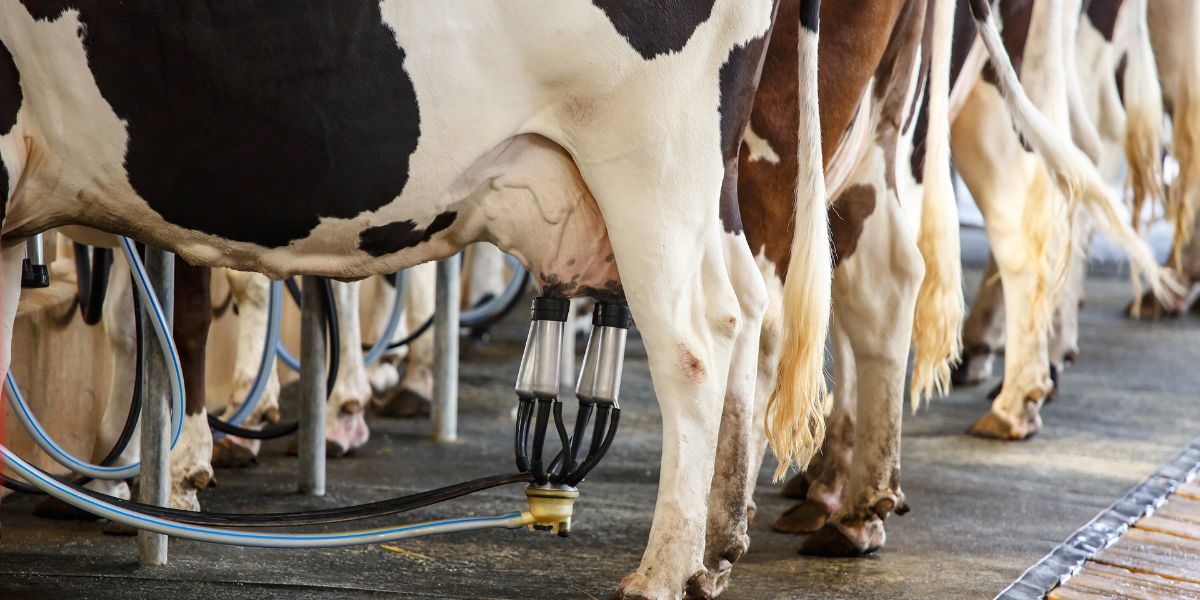
Did you know that it is possible to increase the productivity of milk in your herd with some simple and efficient tips? If you are a dairy farmer, you know how important it is to ensure a satisfactory daily production to keep your activity profitable. In this post, we present seven valuable tips to optimize the production of milk on your property. These are practical strategies that can be applied immediately and provide expressive results! Stay tuned(a) and check out all the indispensable information to raise the productivity of your herd.
Milk Productivity Benefits
Milk productivity is important for the herd for several reasons. In addition to increasing the amount of milk that can be produced, it also helps to improve milk quality. This is because a productive herd has fewer health problems and consequently produces milk with less contamination. Another benefit of milk productivity is that it allows farmers to generate more income.
How to Evaluate Milk Productivity in Herd?
Milk productivity is an important indicator of the health and well-being of animals in a herd. Since milk is the main product of a herd, it is important to carefully monitor milk production to ensure that the herd is functioning properly. There are many ways to assess milk productivity in a herd. Here are some tips to help you:
- Monitor the number of cows being milked: The number of cows being milked daily is a good indicator of milk productivity in your herd.If you notice a significant drop in the number of cows being milked, it may be a sign that there is something wrong with your herd.
- Track the amount of milk produced per cow: Another important way to monitor milk yield in your herd is to carefully track the amount of milk produced per cow. If you notice a downward trend in the amount of milk produced per cow, this may indicate that the herd is in trouble.
- Evaluate milk quality: Milk yield can also be measured by considering milk quality.It is important to regularly check milk quality to ensure it is within proper standards.
- Calculate the Lechera Productivity Index: The Lechera Productivity Index (IPL) is a good indicator of the health and performance of your herd. It provides information on the average daily yields of the animals and helps in identifying problems with herd performance.
- Perform blood and body fluid tests: Blood and body fluid tests can help identify health problems that may be affecting milk productivity in your herd. The results of the tests allow you to take corrective measures to improve the health of animals and, consequently, improve milk productivity.
7 Tips to Increase Milk Productivity in Herd
Milk is a high-demand product on the market, and to meet this demand, dairy farmers need to increase the productivity of their herd. Fortunately, there are a few ways to do this. Here are seven tips to increase milk productivity in your herd:
- Feed your cows a balanced, nutritious diet.Cows need a balanced diet to produce milk in optimal amounts.If they are not getting the necessary nutrients, it will negatively affect their milk production.
- Make sure cows are always well hydrated.They need to drink at least 30 liters (8 gallons) of water per day to keep their milk production up. If they are not drinking enough water, this will also reduce their yield.
- Provide cows with adequate shelter.It is important that cows have access to a safe and secure place to rest, as this will favor their health and milk production.
- Make sure cows are always in good physical condition.Healthy cows produce more milk than those with health problems, so it is important to ensure that they are receiving veterinary attention regularly.
- Check the stress level of cows regularly.Excessive stress can dramatically reduce milk production, so it is vital to ensure that the environment is calm and relaxing for them.
- Use modern techniques to monitor cow milk production.Modern technologies, such as using electronic chips to monitor cow milk production, can help farmers identify productivity-related problems.
- Use high-quality cows genetically. The use of genetically superior breeds can help farmers achieve better results in terms of milk production.It is important to choose the best cows to include in the herd.
What to Avoid to Maintain Animal Health and Well-Being
To maintain the health and well-being of animals, it is important to avoid some behaviors that can cause stress and disease. Here are some tips:
- Avoid sudden changes in the routine of animals.This can cause stress and negatively affect milk productivity.
- Do not leave animals in dirty or stuffy places.They need a clean and airy environment to stay healthy.
- Follow vaccination and deworming recommendations.These measures are important to prevent diseases that can affect the health of animals.
- Offer animals good quality feed and fresh water. Proper nutrition is critical for the proper functioning of the body and milk productivity.
Important Statistics to Monitor Productivity
Statistics are important for monitoring the productivity of any herd. However, when it comes to milk, there are some statistics that can be particularly useful for monitoring progress. Here are seven:
- Daily production rate: the daily milk production rate is an important metric for tracking the productivity of your herd.If you notice a drop in the daily production rate, it may be an indicator that there is a problem in your herd.
- Percentage of lactating cows: another important metric is the percentage of lactating cows in your herd. If you have a low percentage of lactating cows, this may mean that the number of cows that are stopping lactation is greater than the number of cows that are starting lactation.
- Total milk production: of course, total milk production is another important number to monitor. If you notice a drop in total production, it may mean that some cows are below the expected productivity.
- Measuring individual cow production is a great way to detect problems in the herd.If you notice that some cows are below average, it may be a sign of disease or other circumstances that may affect productivity.
- Percentage of good dairy: if you have a dairy herd, it is important to monitor the percentage of good dairy (i.e., fat and protein content). This metric can tell you if your herd is producing quality milk.
- Loss rate: loss rate is another important statistic to monitor. This metric measures the number of cows that are slaughtered compared to the total number of cows in the herd.If your loss rate is high, it may indicate health problems and other factors that may affect the productivity of your herd.
- Consumption and digestibility: monitoring the levels of intake and digestibility of your herd's food is also important to determine the productivity of your herd. If the animals are eating less and absorbing less nutrients from food, this may mean that production will be negatively affected.



