

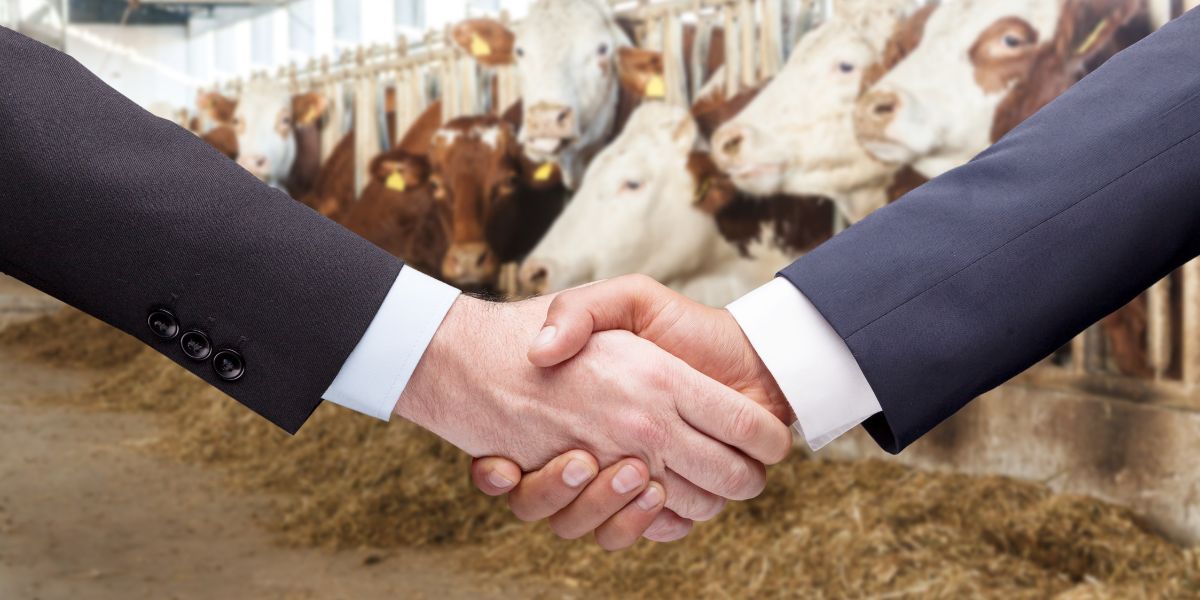
Did you know that livestock can be a powerful tool for social inclusion? It is true! In addition to ensuring the production of food and other products important to the economy, this activity can also promote socioeconomic development in several regions. However, it is necessary to face some challenges so that this potential is fully exploited. In this article, we will explore more about how livestock can contribute to social inclusion and what are the main obstacles in this way. Let's go?
Livestock as a tool for social inclusion
Livestock farming is an important economic activity in several regions of Brazil. In addition to ensuring the production of food, such as meat and milk, it can also be seen as a tool to promote social inclusion.
One of the main ways in which livestock contributes to this purpose is through job creation. Many rural communities depend on animal husbandry for their own livelihood and local or regional sales, which ultimately generates job opportunities for residents.
In addition, infrastructure investments are needed in the livestock sector, which can bring additional benefits to the local population. The construction of roads and bridges facilitate the transportation of products, while improvements in the electricity grid allow greater access to modern technologies in animal husbandry.
However, there are still considerable challenges to including more people in this industry. Lack of financial resources can prevent many small farmers and family farmers with few resources accessible to banks or government funding.
Technical training is also a significant obstacle in some rural areas where people may not have enough knowledge about modern techniques to increase their productivity and reduce operating costs.
Despite these challenges faced by the Brazilian livestock industry in trying to become an effective tool in social inclusion, there is much untapped potential here!
Why is livestock a good tool for social inclusion?
Livestock is an economic activity that generates jobs and moves the economy of many regions of the country.In addition, it can be used as a tool to promote social inclusion.
By investing in livestock, rural communities have access to the job and income opportunities that this activity provides.
In addition, animal husbandry can also be a means to empower people in situations of social vulnerability. For example, animal management training programs can teach technical skills important to the labor market.
Another positive aspect of livestock as a tool for social inclusion is the fact that it is present in several regions of the country. This means that even remote communities can have access to the benefits generated by this activity.
However, it is important to emphasize that there are challenges involved in this process. It is necessary to ensure adequate conditions for workers involved in the meat and milk production chain, in addition to the welfare of the animals raised.
In summary, livestock farming can be a good tool to promote social inclusion by offering economic opportunities and professional training to rural communities.However, care is needed with ethical and social aspects involved in this activity.
Challenges of livestock as a tool for social inclusion
While livestock can be a powerful tool for social inclusion, there are many challenges that need to be overcome. One of the main obstacles is limited access to the land and resources needed to start a livestock business.
Often, people living in rural areas lack the financial means or technical knowledge needed to properly raise and care for livestock. Without adequate investments in capacity building and infrastructure, it can be difficult to ensure the economic viability of these projects.
In addition, there are concerns regarding the environmental impact of large-scale livestock farming.The increase in greenhouse gas emissions associated with animal production has been the subject of increasing criticism in recent years.
Another important challenge is to ensure fair and safe working conditions for those involved in the meat industry. Very often, workers are subjected to poor conditions or are poorly paid for their hard work.
To harness the full potential of livestock as a tool for social inclusion, it will be necessary to address these challenges head-on through investment in training and sustainable development as well as addressing issues related to ethical and responsible business practices in the meat industry.
Conclusion
In short, livestock farming can be a powerful tool for social inclusion in rural communities because animal husbandry can generate local income and jobs, as well as promote sustainable development in the region.
However, the challenges are many and we must be prepared to face them. It is necessary to invest in technical training of local producers, as well as in public policies that encourage the activity and ensure its legality.
Still, if conducted properly, livestock farming has great potential to transform lives and contribute to a more just and equitable world.



