

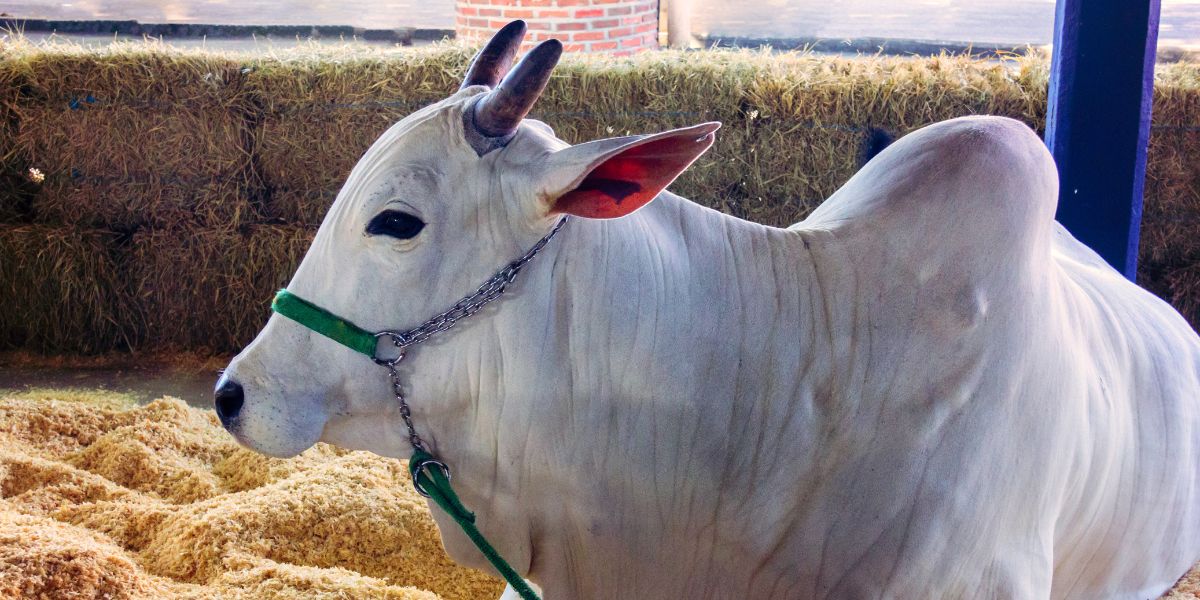
If you are a person who cares about the environment, you have probably heard about the importance of separating organic waste from other types of waste. But did you know that these waste can play an even more important role for the planet? That's right! When used as food for herds, organic waste brings numerous environmental benefits. In this article we will explain everything about this sustainable practice and its positive impacts on the world we live in. Come on?
What is organic waste?
Organic waste is that which originates from biodegradable materials. This means that they can be decomposed by microorganisms present in nature, such as bacteria and fungi. Organic waste includes food scraps, dried leaves, branches, fruit and vegetable peels, among others.
Unlike non-organic waste such as plastics and metals, organic waste has a natural cycle in the environment.When disposed of properly in composters or dumps with proper treatment (which prevent soil and water contamination), these materials are transformed into plant compost.
However, when poorly managed, especially when mixed with other types of waste, organic waste can cause negative environmental impact in the form of air pollution (release of toxic gases during decomposition) and contamination of soil and water (through slurry produced by decomposition).
Why is organic waste good for the environment?
Organic waste is composed of materials that have been produced by nature, such as food scraps, leaves and twigs. Unlike non-organic waste, organic waste has the ability to decompose quickly and return to the soil in the form of nutrients.
Instead of being destined to landfills, where they occupy large space and generate polluting gases, these residues can be reused in agriculture. By using them as natural fertilizer for the cultivation of plants, it is possible to increase soil fertility without having to resort to chemicals harmful to human health and the environment.
In addition, the use of organic waste can also contribute to reducing methane emissions into the atmosphere.When deposited in the soil or in appropriate composting, they undergo an aerobic process that prevents their anaerobic decomposition (ONE responsible for releasing methane gas.
Another important environmental benefit is that the use of this waste can help reduce the negative impacts of intensive livestock on the environment. This is because part of the human food leftovers can be destined to animal feed (a practice known as urban “ruminantes”.
In short, using organic waste as livestock feed can bring numerous environmental gains: prevent the accumulation of these materials in dumps; promote more sustainable agriculture; reduce greenhouse gas emissions; and reduce pressure on natural resources.
The environmental benefits of using organic waste as feed for livestock
The use of organic waste as feed for livestock can bring many environmental benefits. One of these benefits is the reduction of the amount of waste that ends up in landfills and pollutes the environment.By using organic waste to feed animals, we are giving a new purpose to this material, preventing it from being disposed of incorrectly.
In addition, the use of organic waste as animal feed can also help in reducing greenhouse gas emissions. This is because when these materials are thrown into landfills, they end up releasing methane during the decomposition process.By using these wastes as animal feed, we are eliminating this potentially dangerous source of gases causing global warming.
Another important benefit is that by feeding our creations healthier and more natural foods (such as those composed of organic waste), we are creating a more sustainable production chain and less dependent on the chemical inputs found in commercial feed.
So it is clear that there are many advantages to using organic waste as livestock feed - both for animals and the environment in general. It is important to continue encouraging sustainable practices like this around the world!
Conclusion
Finally, we can conclude that the use of organic waste as feed for livestock brings numerous environmental benefits.In addition to reducing the amount of waste destined for landfills and contributing to a more efficient cycle in agricultural production, this practice also helps to reduce the emission of greenhouse gases and promotes a more sustainable agriculture.
However, it is important to remember that the use of this waste must be done carefully and following regulatory standards to ensure food safety of animals and people involved in the process. It is still necessary to raise awareness of farmers about the benefits of this practice to encourage its use on a large scale.
So by taking simple measures like this, we can help preserve the environment and build a more sustainable future for all of us.



