

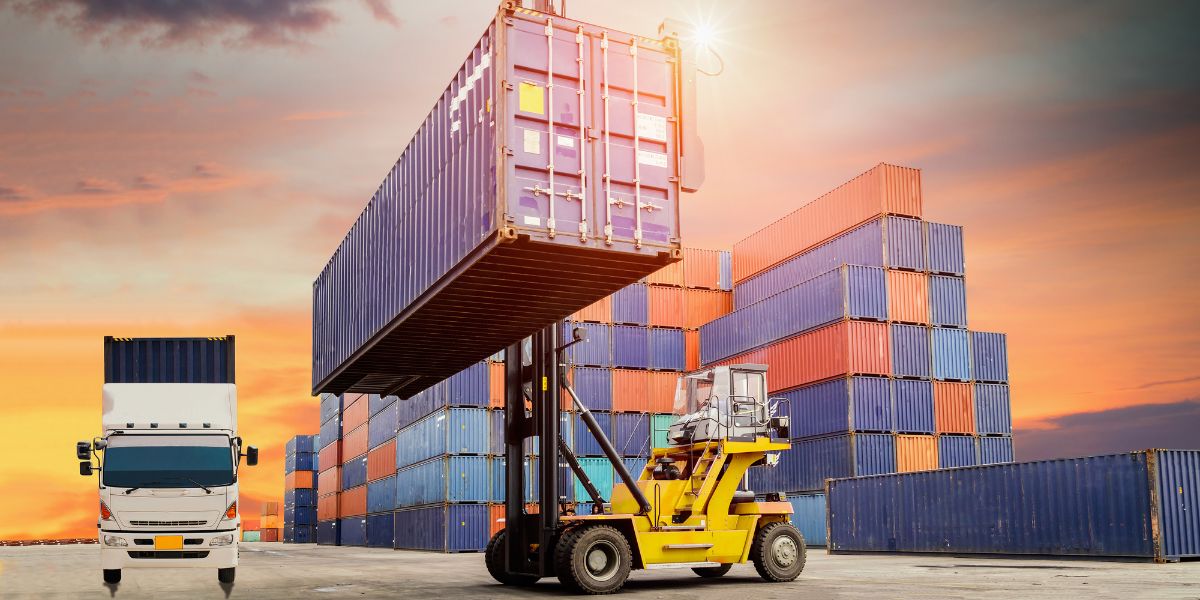
Rural production is an essential sector for the economy of Brazil, but it faces many logistical challenges to bring its products to consumer markets. From poor transport to the lack of adequate infrastructure, rural producers have to deal with a number of obstacles that affect their productivity and profitability. In this article, we will discuss the main logistical challenges of rural production in the country and present practical solutions to overcome them. If you are interested in knowing more about this important subject, read on!
What is rural production logistics?
Rural production logistics refers to the process of transporting, storing and distributing agricultural products from the countryside to consumer markets. This involves a number of complex activities that need to be managed efficiently to ensure food quality and safety, as well as reduce costs.
One of the main stages of rural production logistics is the transportation of products from the countryside to urban areas. However, this process can be quite challenging in Brazil, given the territorial extension of the country and the poor road conditions in many rural regions.
Another important step is the proper storage of the products before their distribution.This includes finding safe places to stock fresh or frozen food for extended periods without compromising their quality.
Logistics also covers careful inventory management to avoid losses arising from problems with expiration dates or oversupply at certain times of the year.
In summary, the logistics of rural production plays a key role in the Brazilian food chain and requires innovative solutions to overcome its various challenges.
Logistic challenges in Brazil
In Brazil, the logistics of rural production faces several challenges that directly affect producers and the consumer market. One of the main obstacles is the lack of adequate infrastructure for production flow, either by poor roads or by the lack of railways.
In addition, there are other obstacles such as bureaucracy in transportation, high tax burden and difficulties in obtaining financing for investments in improvements in the production chain. These factors negatively impact both costs and quality of the final product.
Another important issue is the regional differences of the country. Some areas have great agricultural potential, but do not have efficient logistics to transport their products to more distant urban centers. This ends up limiting the development of these regions and damaging the entire local economy.
We can also mention the climatic problems that often affect the crops and generate significant losses to rural producers. In these cases, it is essential to have an agile and efficient logistics system to minimize these losses.
In summary, the logistical challenges in Brazil are still many and require creative solutions to be overcome. It is necessary that there are investments in infrastructure appropriate to the agricultural sector as well as fiscal and financial incentives to Brazilian rural production as a whole.
Solutions to logistical challenges
The logistical challenges of rural production are numerous and can be somewhat complex. However, there are solutions that can help improve logistics in rural activities.
One of the main solutions to the logistics challenges is the implementation of technology in the production process. The use of management software can assist in the organization of planning, programming and control of production steps, as well as enable the analysis of the results obtained.
Another alternative is the use of automation in some activities such as harvesting and planting. This can considerably reduce the time spent on these tasks and increase the efficiency of the production process.
In addition, investing in technical training of employees also shows a viable option to improve rural logistics.With qualified professionals, operations can be performed more accurately and quickly.
Finally, strategic partnerships with companies specialized in transportation and storage can contribute significantly to solve the logistical challenges faced by the Brazilian rural sector. In this way it is possible to have quality assurance in the service provided without financial or managerial overload on the part of agribusiness.
In conclusion, there are several solutions available that can help overcome the obstacles encountered by Brazilian rural production. Investments in advanced technologies combined with adequate professional training have the potential to revolutionize the national agricultural sector in the area of logistics management.
Conclusion
In conclusion, rural production logistics is a complex challenge that requires creative and innovative solutions. Although there are many obstacles in Brazil, such as poor infrastructure, limited transportation and lack of advanced technology in some remote areas of the country, there are also excellent opportunities to improve the overall efficiency of the supply chain.
Through strategic partnerships between farmers, logistics companies and government institutions, together we can work towards the sustainable development of Brazilian agriculture.With the intelligent use of technologies currently available in the market, including drones and automated inventory management and distribution systems, we can overcome the logistical challenges faced by rural production.
We believe that with adequate investment in improving rural logistics processes in the country we will be able to achieve greater agricultural productivity with lower operating costs.In addition, we will help increase the Brazilian potential as a world leader in agricultural exports.
Ultimately, everyone wins: farmers can deliver their products faster to end consumers; businesses have access to reliable suppliers and on-time deliveries; consumers receive fresh produce directly from the field.
With hard work and commitment we can find viable solutions and build a bright future for the national agricultural industry!



