

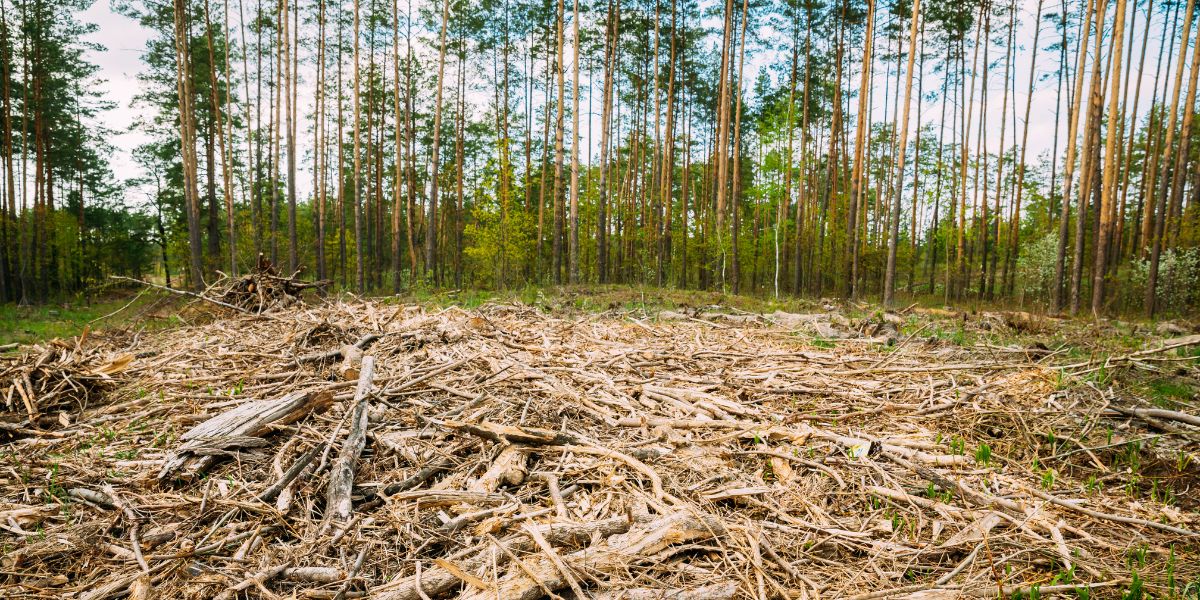
Did you know that livestock is a key sector for reducing illegal deforestation in Brazil? With the increase of environmental awareness, several initiatives have emerged to encourage sustainable practices in this sector. One of them is green credits, a financial solution that can help farmers adopt more responsible practices and preserve our natural resources. In this post, we will explain what green credits are and how they can contribute to reducing illegal deforestation in livestock. Let's go!
What are green credits?
Green credits are a form of financing for projects that contribute to the preservation of the environment and sustainable development. This financial solution has gained prominence in recent years, especially in the agricultural sector.
Basically, they work as follows: companies or farmers who adopt sustainable practices in their activities receive a certificate io green credit IO issued by financial or regulatory institutions.This certificate can be negotiated in the market, serving as proof of investment in environmentally responsible initiatives.
The resources from these negotiations can be used by rural owners to invest in improving production practices and reducing their environmental impact.In addition, green credits also enable companies that need to meet environmental goals to buy them to offset their emissions of polluting gases.
Thus, green credits are presented as a viable economic alternative for those seeking to practice livestock in a more sustainable way and for those who need to meet legal and regulatory requirements related to the environment.
How does the green credit mechanism work?
Green credits are an important tool to encourage sustainable practices in various sectors, including livestock. But how exactly does this mechanism work?
Basically, companies that adopt practices considered environmentally friendly can receive green credits in return. These credits represent a certificate that proves the company's engagement in environmental preservation and can be traded in the financial market.
In livestock, for example, a farm that adopts more sustainable breeding techniques can receive green credits for the environmental benefits generated. This can include everything from reducing deforestation to reducing emissions of polluting gases.
These credits can then be sold to other companies or investors interested in offsetting their own emissions or supporting sustainable initiatives.In this way, companies that care about the environment have a financial incentive to adopt more responsible practices and help in the fight against illegal deforestation in livestock.
What are the main challenges for implementing green credits in livestock?
The implementation of green credits in livestock is a challenging task, as it involves several actors and complex issues. One of the main challenges is related to transparency and traceability of information on land use and sustainable practices adopted by producers.
In addition, the lack of financial incentives for producers who commit to sustainable measures can be a major obstacle.Many farmers still prioritize large-scale production over environmental preservation, which indicates the need for more effective public policies.
Another critical point concerns the engagement of the private sector in the process.There are still many companies that do not include socio-environmental criteria in their production chains, making it difficult to create a strong and safe market for green credits in livestock.
Finally, it is essential to consider the regional and cultural particularities of Brazil in the implementation of green credits. The country has continental dimensions and different realities between regions, which requires solutions adapted to local specificities to ensure its economic and social viability.
In short, there are many challenges faced by the implementation of green credits in Brazilian livestock. It is necessary to seek creative solutions capable of reconciling diverse interests without compromising environmental preservation.
Why is livestock a key sector for reducing illegal deforestation in Brazil?
Given the current scenario of illegal deforestation in Brazilian livestock, green credits emerge as a viable alternative to promote sustainability in the sector. With the mechanism, it is possible to encourage rural producers to adopt more responsible practices with the environment, while promoting the local economy.
In addition, livestock is a key sector for reducing illegal deforestation in Brazil because it is one of the main vectors of agricultural activity in the country and occupies much of the national territory. Therefore, initiatives aimed at combating irregular practices in this area are fundamental for environmental preservation and maintenance of tropical forests.
It should also be noted that green credits can act as catalysts for change in the Brazilian beef industry, encouraging companies and large economic groups in the sector to invest in more sustainable and socially responsible production. In this way, everyone wins: the environment, local communities and also the farmers themselves.
It is clear then that implementing green credit policies in livestock can bring numerous socio-environmental benefits to Brazil. It remains to be seen whether government and market will be willing to take this important step towards building a more conscious agenda with our natural resources.



