

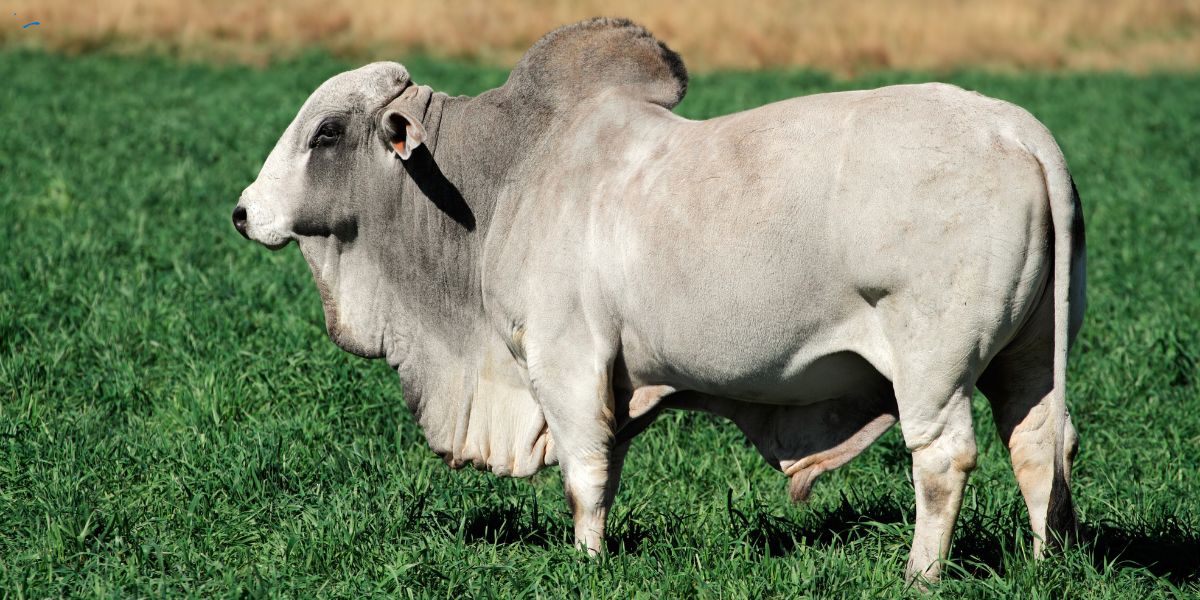
Zebu cattle, originating in the South Asian region, have become an essential component of world livestock, especially in tropical countries such as Brazil, where they have adapted extremely well. This breed is known for its resistance to heat and parasites, as well as its ability to convert low-quality food into meat and milk.There are several zebu breeds, each with unique characteristics that make them suitable for different purposes and regions.
The main breeds of zebu cattle in Brazil include Nellore, Gir, Guzera, Indubrasil and Brahman. Nellore is the most popular and widely bred, notable for its ability to gain weight quickly and for reproductive efficiency. Already the Gir is highly valued for milk production, being one of the most important zebu dairy breeds. Guzera is recognized for its dual fitness, producing both meat and quality milk.
Each zebu breed has distinct physical characteristics and specific abilities to excel in different environments and markets. Ranchers choose the type of zebu cattle based on several factors, such as climate, topography, forage availability and production objectives. Careful selection of cattle is crucial to maximize production efficiency, whether meat or milk.
Origins of Zebu Cattle
Zebu cattle, known for their distinctive characteristics as the hump and the ability to withstand hot climates, have their roots in the Indian subcontinent.These cattle are adapted to survive in heat stress environments and with food shortages, a heritage of their evolution in torrid climate regions.
History: Their domestication dates from approximately 6000 to 8000 years ago, inserting them as a crucial part of the local economy and culture.
- Geographic Dispersion:
- Asia: Since its origin in India, the zebu has migrated to other parts of Asia, adapting well in a variety of ecosystems.
- Africa: On the African continent, zebu expansion has occurred both through natural movement and through trade over millennia.
- Americas: It was introduced to the Americas by colonizers and has adapted well, particularly in Brazil, where it is now of significant economic importance.
Types of Zebu: There are several breeds of zebu, such as Nellore, Guzera, Gir, among others. Each of them with its own characteristics that have been selected over time to meet specific demands for meat production, milk and labor.
Its resilience to adverse conditions has made zebu cattle a strategic choice for breeders in tropical and subtropical regions. The selection and genetic improvement remain important for the improvement of zebu breeds, aiming at maximum efficiency in livestock.
Main Features of Zebuino
Zebu are notable for their robustness and adaptation in tropical environments.They possess distinct attributes that make them a preferred choice in regions where other breeds would struggle.
Disease and Parasite Resistance
Zebuians exhibit a superior resistance to diseases and parasites when compared to other bovine species. They are less susceptible, for example, to horn flies and ticks. This is partly due to their thick skin and to short, dense hair which makes it difficult to fix parasites.
Adaptation to Tropical Climate
The ability of these animals to thrive in hot climates the Zebuino has a large sweat gland, which allows you to better regulate the body temperature.In addition, its light coat reflects sunlight, contributing to a lower heat gain.
Food Efficiency
This breed is capable of converting low quality food in energy efficiently. Their specialized anatomy allows them to enjoy rough pastures with lower nutritional value, transforming them into quality body mass and milk.
Longevity
Zebu are recognized for their long productive life. Can keep a high reproduction rate longer compared to breeds not adapted to the tropical climate.This translates into a greater return over the life of the animal.
Main Zebu Races
Zebu cattle are appreciated worldwide for their resistance and adaptability.Brazil stands out in the creation of several breeds of this species, strengthening national livestock and meat and milk production.
Nellore
Origin: India. Features: Predominantly white or light gray coat, large size and excellent weight gain rates. Usage: Especially for meat production.
Guzerah
Origin: India. Features: Robust, with lyre-shaped horns and coat ranging from gray to black. Usage: Meat and milk, plus field work.
Gurgle
Origin: India. Features: They stand out for their longevity and milk capacity, with a coat that goes from reddish to yellow. Usage: Mainly dairy production; also used in meat production.
Indubrasil
Origin: Brazil. Features: Result of the crossing between Gir, Guzera and Nellore, it has a robust body and is adaptable to various climates. Usage: Meat, but can also be used in milk production.
Tabapua
Origin: Brazil. Features: First zebu breed fully developed in the country, with white coat and well-defined musculature. Usage: Meat production.
Sindhi
Origin: Pakistan. Features: Smaller in size, cherry-red to rust-red coat, known for its rusticity and fertility. Usage: Meat and milk, with emphasis on its adaptive capacity to arid regions.
Economic Use of Zebu Cattle
Zebu cattle play a crucial role in the economy, especially in tropical and subtropical climate regions, due to their strength and adaptability.They are valued for their ability to produce high-quality meat and milk, as well as their strength for labor and traction.
Meat Production
Zebu cattle are known for their excellent quality meat, with breeds such as Nellore and Guzerah being widely used for this purpose.The meat of these breeds is appreciated for its characteristic texture and flavor, meeting both the domestic market and export demands.
- Casing Yield:
- Nellore: 50-58%
- Gazeria: 53-60%
Milk Production
Although zebu cattle are more recognized for meat production, some breeds, such as Gir and Sindhi, have excelled in dairy production. Zebu milk is rich in solids, ideal for the manufacture of dairy products and derivatives.
- Average Milk Production by Lactation:
- Rotate: 3,500 to 5,000 liters
- Sindhi: 2,000 to 3,000 liters
Work & Traction
Due to its robustness and strength, zebu cattle are often employed in agricultural and transportation activities in rural areas.These animals are able to work in adverse weather conditions where other breeds could have difficulties.
- Common Activities:
- Plough of land
- Cargo transport
Zebu Herd Management
Effective management of zebu herds involves specific strategies that optimize genetics, reproduction, nutrition and animal health.Each of these areas requires detailed attention to ensure the success and sustainability of zebu cattle breeding.
Genetic Improvement
The selection of desirable traits through molecular genetics and genetic markers is fundamental in the management of zebu herds. This practice allows the development of strains with greater resistance to diseases, better adaptation to the tropical climate and greater production efficiency. The use of specialized software helps in the identification of animals with superior genetic potential.
- Key objectives:
- Disease resistance
- Climate adaptation
- Productive efficiency
Reproductive Management
Reproductive management aims to maximize the birth rate and optimize the intergenerational interval. Techniques such as artificial insemination and embryo transfer are widely used. Monitoring the estrous cycle and maintaining mating records are essential for an efficient reproduction program.
- Reproductive techniques:
- Artificial insemination
- Embryo transfer
Nutritional Management
Adequate nutritional management is indispensable for the development and maintenance of the health of zebu. Diets should be balanced in energy, proteins, vitamins and minerals and adapted to the growth, reproduction and lactation phases of animals. The use of quality feed and nutritional supplements is recommended to obtain better productive and reproductive performance.
- Components of a balanced diet:
- Energy & protein
- Vitamins & minerals
- Nutritional supplements
Sanitary Control
Strict health control prevents the occurrence and spread of diseases in the herd. Regular vaccination, deworming, parasite control and biosecurity measures are essential practices. Constant monitoring and veterinary care promptly when necessary ensure the health and welfare of animals.
- Preventive practices:
- Vaccination and deworming
- Parasite control
- Biosecurity
Challenges in Breeding Zebu
In breeding zebu, breeders face several challenges that require attention and effective strategies. Food management it is one of the main ones, as it requires an adequate balance of nutrients to ensure the healthy development of animals.
- Climate: Severe climate variations can affect health and productivity. Structures such as shading and irrigation systems can be essential.
- Diseases: Parasites and infectious diseases can compromise entire herds.Constant monitoring and vaccination programs are crucial.
- Genetics: Genetic selection and improvement are fundamental to improve desired traits and profitability.
- Market: Market fluctuations can impact profitability. Understanding and adapting to market demands is necessary for business success.
- Legislation: Compliance with animal welfare and environmental laws.Not only ensures sustainability, but also avoids legal penalties.
Successful handling of these challenges can result in a productive and profitable zebu farming operation. Careful planning and implementation of proper management practices are indispensable.



