

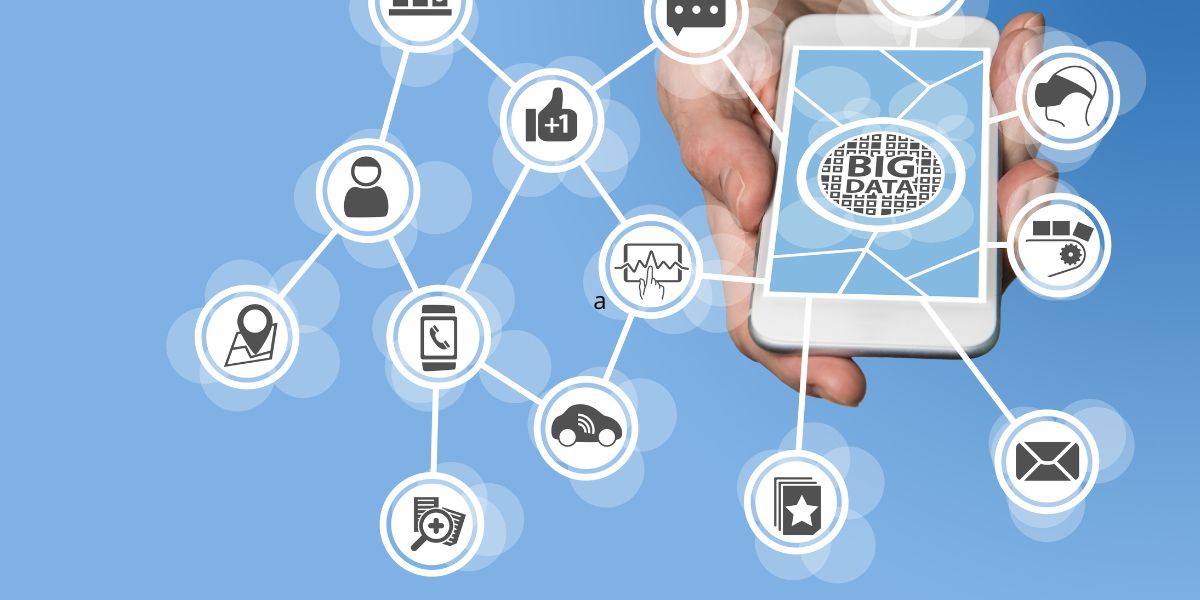
Livestock constantly faces challenges related to the occurrence of diseases and pests, which can cause significant economic losses, affect productivity and compromise animal health and welfare. In this context, the use of big data emerges as a powerful tool for predicting and controlling these problems, allowing a more proactive and efficient approach in animal health management.
Big data refers to the processing and analysis of large volumes of data, coming from various sources such as sensors, electronic devices, animal health records and climate data.In livestock, the collection and use of this data can provide valuable insights for predicting disease outbreaks and pest infestations, allowing the adoption of preventive and control measures in a timely manner.
One of the applications of big data in the prediction of diseases and pests in livestock is the use of predictive models based on machine learning. These models are trained with historical data of occurrence of diseases and pests, along with information on risk factors such as climatic conditions, population density and movement of animals. From this training, the models are able to identify patterns and correlations that may indicate the probability of future outbreaks.
Another important application of big data in livestock is real-time monitoring of animal health. Sensors and electronic devices such as GPS-equipped necklaces and earrings and accelerometers can collect data on the behavior, movement and physiological parameters of animals. These data, when analyzed together with information on the environment and management, can indicate early the presence of diseases or increased susceptibility to pests.
In addition, big data can be used to create early warning systems for diseases and pests in livestock. These systems integrate data from various sources, such as epidemiological surveillance, producer notifications and climate data, to quickly identify the occurrence of outbreaks and direct control actions. Early detection of problems allows a faster and more effective response, minimizing the spread of diseases and negative impacts on animal production.
The use of big data in the prediction of diseases and pests in livestock can also contribute to the adoption of more accurate and personalized management strategies. Based on the data collected and analyzed, it is possible to identify animals or groups of animals at greater risk of developing health problems, allowing the implementation of specific preventive measures, such as vaccination, treatment or isolation. This results in a more efficient use of resources and a more targeted approach to disease and pest control.
However, the effective implementation of big data in livestock still faces some challenges. It is necessary to invest in appropriate technological infrastructure for the collection, storage and processing of data, as well as in training of professionals involved in the analysis and interpretation of information. In addition, issues related to data privacy and security need to be addressed, ensuring the ethical and responsible use of the information collected.
Despite the challenges, the use of big data for disease and pest prediction in livestock has great potential to improve the efficiency and sustainability of animal production.The ability to anticipate problems and adopt preventive measures can significantly reduce economic losses, minimize the use of medicines and ensure the health and welfare of animals. Collaboration between producers, researchers and technology companies will be critical to driving the adoption and improvement of these tools in livestock.
In conclusion, big data is becoming increasingly relevant for the prediction and control of diseases and pests in livestock. The analysis of large volumes of data from various sources allows the early identification of problems, the adoption of preventive measures and the implementation of more accurate and personalized management strategies. Although there are still challenges to be overcome, the use of big data in livestock has the potential to revolutionize the way we deal with animal health, contributing to more efficient, sustainable and resilient production.



