

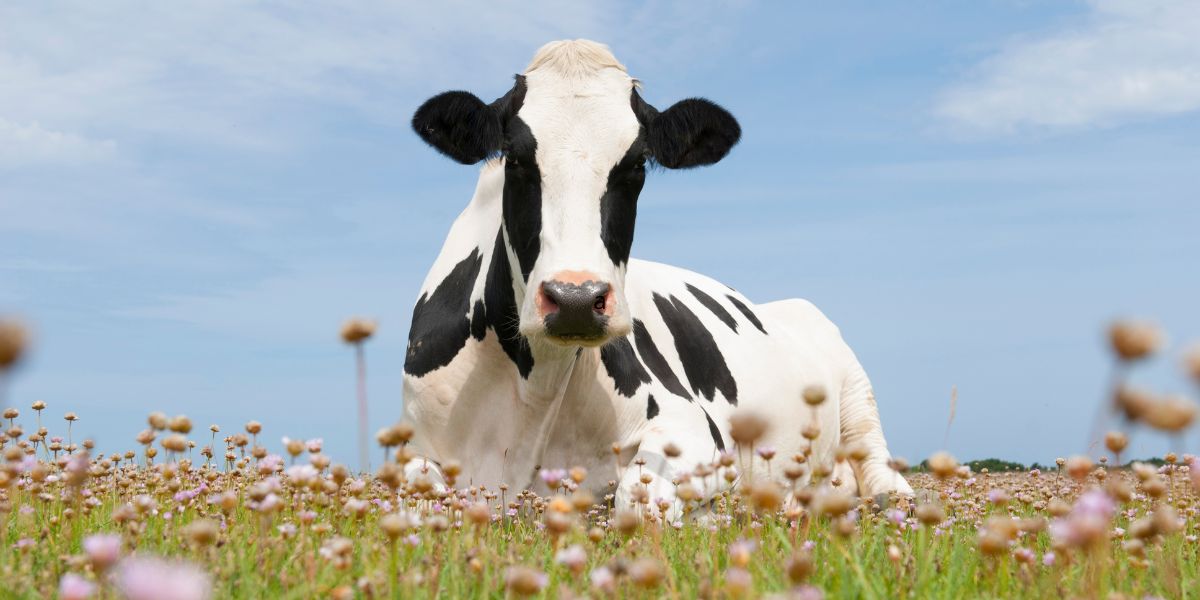
Concern for animal welfare has become increasingly central in debates about production systems. Ensuring decent and ethical conditions for animals is essential to promote health, productivity and quality in final products. This approach not only raises the living standards of animals, but also meets the requirements of more conscious consumers.
Ethical production systems incorporate practices that minimize suffering and maximize animal comfort.Strict management policies, adequate feeding and environments that allow natural behaviors are fundamental pillars.
In addition, many consumers are beginning to demand transparency in agricultural practices involving animals. Companies that adopt ethical production methods not only gain public trust, but also position themselves competitively in the market.
Definition of Animal Welfare
Animal welfare refers to the physical and mental state of an animal in relation to the conditions in which it lives and dies. It involves both physical and behavioral aspects, ensuring that its needs are met.
Fundamental Concepts
Animal welfare covers elements such as health, comfort and natural behavior. Health implies absence of illness and pain. Comfort concerns an adequate environment, including shelter and space.
Natural behavior means allowing animals to express behaviors inherent in their species. These concepts are essential to ensure that animals can live in a dignified and respectful way, reflecting a positive general state of life.
The Five Principles of Freedom
The Five Principles of Freedom were established by the Farm Animal Welfare Council (FAWC) and are widely accepted worldwide
- Freedom from Hunger and Thirst: Access to fresh water and proper nutrition.
- Freedom from Discomfort: Suitable environment including shelter and rest area.
- Freedom from Pain, Injury and Illness: Prevention or diagnosis and rapid treatment.
- Freedom to Express Natural Behavior: Enough space, adequate facilities and company of other animals of the same species.
- Freedom from Fear and Stress: Conditions that prevent mental suffering.
These principles are basic pillars that serve as a basis for ethical practices in the management and breeding of animals, being essential to ensure a high level of animal welfare in any production system.
Legislation and Public Policies
Animal welfare regulations vary significantly between countries, reflecting cultural and economic diversity.In addition, international agreements set minimum standards that encourage more ethical practices in animal production.
National Regulations
In Brazil, the Federal Constitution protects animals from mistreatment, and several specific laws detail this protection.The Environmental Crimes Act is a crucial example, imposing severe penalties for offenders.
A Normative Instruction 56 it establishes guidelines for the transport and humanitarian slaughter of animals. In addition, states such as Sao Paulo have more restrictive local laws that promote better living conditions for animals.
International Agreements and Conventions
The World Organisation for Animal Health (OIE) sets global standards for animal welfare.Member countries, including Brazil, follow guidelines for breeding, transport and slaughter practices.
The European Union has agreements such as the Treaty of Lisbon, which recognizes animals as sentient beings.The European Convention obliges countries to adopt laws that minimize animal suffering, influencing practices in other parts of the world.
Ethical Production Systems
Ethical production systems stand out for their concern for animal welfare and sustainability. Models such as pastoral and organic creation and certifications and labeling are pillars in this context.
Pastoral and Organic Creation
Pastoral and organic farming emphasizes management practices that respect the natural behavior of animals.In the pastoral system, animals have access to pastures, allowing free movement and reducing stress.
The organic system, in addition to pastures, excludes the use of antibiotics and growth hormones. Organic management prioritizes the health of the soil and the environment. These methods promote natural feeding and reduce chemical intervention. Products resulting from these methods generally have less environmental impact and are seen as healthier by consumers.
Certifications & Labelling
Certifications and labeling ensure that products from ethical systems are recognized. Seals such as“Organic” and“Bem-Estar Animal” assure the consumer that the product follows strict standards.These certifications are issued by independent bodies and require regular audits.
Labelling helps increase transparency by enabling informed choices.They also encourage producers to follow more sustainable practices, promoting a market where ethics and sustainability have more value.
Animal Welfare Indicators
Animal welfare indicators are essential to assess the quality of life of animals in production systems. These indicators can be divided into two main categories: physiological and behavioral, and environmental and managerial.
Physiological and Behavioral
Physiological indicators include parameters such as heart rate, hormone levels (such as cortisol), and body condition modified heart rate it can signal stress, while elevated cortisol levels they usually indicate a high level of chronic stress.
Behaviorally, signs such as stereotypies (repetitive behaviors with no apparent function), aggression, and appetite changes are monitored. Stereotypies like biting the grids or walking in circles indicate frustration or prolonged stress.
Another important behavioral aspect is social interaction. Animals that isolate themselves may be experiencing health or psychological problems. Social interaction proper is a sign of good well-being.
Environmental and Management
Environmental indicators focus on the physical conditions where animals live air quality (ammonia levels, ventilation), temperature, e moisture high levels of ammonia, for example, can lead to breathing problems.
Managed, a population density, hygiene, e access to food and water overcrowding can increase stress and aggression, while poor hygiene creates an environment conducive to disease.
Another important management factor is the frequency of inspection and veterinary careregular inspections help identify and treat problems early.
Keeping detailed records of these indicators helps in implementing best practices to ensure a high level of animal welfare.
Innovative Technologies and Practices
New technologies and innovative practices have a significant impact on animal welfare and the ethics of production systems. These innovations include advanced monitoring and improvements in the living environment of animals.
Monitoring & Telemetry
Monitoring and telemetry allow tracking the health and behavior of animals in real time. Wearable sensors and cameras are used to track physical activity, food and water consumption, as well as important physiological parameters such as body temperature and heart rate.
This data is analyzed by specialized software that identifies patterns and anomalies. Automatic alerts they can be generated to signal health problems or suffering, allowing for rapid interventions.This results in a reduction in animal stress and a significant improvement in quality of life within production systems.
The use of drones to monitor herds is also becoming increasingly common.They allow the observation of large areas quickly and accurately, offering a comprehensive view of the conditions of animals and the environment. Thus, the technology helps in making more informed and ethical decisions by producers.
Environmental Enrichment
Environmental enrichment aims to improve animal welfare by providing physical and mental stimulation.This includes the introduction of toys, climbing structures and areas to explore, mimicking the natural habitats of animals.
In poultry sheds, for example, perches and substrates for foraging are placed to encourage natural behaviors.In swine production systems, areas with manipulable material such as straw or hay help reduce aggressive behavior among animals.
These practices reduce stress and promote the mental health of animals, resulting in lower incidence of disease and better quality of life. Implementing these improvements requires planning and investments, but the benefits in terms of animal welfare and productivity can outweigh these costs.
Future Challenges and Prospects
Managing sustainability and adopting new technological developments are critical challenges to improving animal welfare and promoting more ethical production systems.
Sustainability and Climate Change
Agricultural practices need to consider the environmental impact of animal husbandry systems.The emission of greenhouse gases, especially methane, poses a significant problem.
To address these challenges, it is essential to invest in regenerative agricultural practices. These practices include crop rotation and the use of vegetation cover.It is also necessary to improve the efficiency in the use of resources such as water and food.
Implementing systems that reduce environmental impact can help mitigate climate change.Renewable energy use and reducing long-distance transport are some practical solutions.
Technological Developments
Technological advances are key to promoting animal welfare and more ethical production systems. Technologies such as sensors and drones can monitor animal health and behavior in real time.
Using data to adjust the diet of each animal can improve its health and reduce waste of resources.Bioengineering also has potential, for example, in the creation of lab-grown meat, reducing the need for slaughter.
Automation on farms can improve efficiency and ensure uniform standards of animal care.Milking robots and automatic feeding systems are examples of how technology can be applied on a day-to-day basis.
Education & Awareness
Education and awareness are key to promoting animal welfare and encouraging ethical production systems.Information in schools can introduce concepts about the importance of animal protection from an early age.
Key points for Education:
- School Curricula:
- Inclusion of animal welfare topics.
- Interactive programs for students.
- Awareness Campaigns:
- Use social media to reach a wider audience.
- Partnerships with NGOs and governments.
Interest Groups:
- Consumers: Information on the origin of animal products.
- Producers: Training on sustainable and ethical practices.
Studies show that informed consumers are more willing to pay for ethical products. Clear information about certifications helps in decision making.
Media Used:
- Television and Radio: Massive reach with direct messages.
- Internet and Social Networks: Continuous and interactive engagement.
Promoting animal welfare requires joint efforts from educators, policymakers, and producers. Consistency in messaging is essential to building meaningful cultural change.
Expected Benefits:
- Improving Quality of Life: Animals in better conditions.
- Increased Social Awareness: Greater empathy and responsibility.
Community participation and public events also play a crucial role.Open workshops and seminars can engage more people in dialogue.
Initiatives and Supporting Organizations
A number of initiatives and organisations are dedicated to animal welfare and the promotion of ethical production systems.These entities play crucial roles in implementing sustainable practices and respecting animal rights.
One of the most recognized organizations is the World Animal Protection (WAP)it acts globally to end cruelty to animals in all its forms, promoting more humane legislation and practices.
A Humane Society International (HSI) they work on several fronts, from banning animal testing in the cosmetic industry to campaigns against the exploitation of wild animals.
Compassion in World Farming (CIWF) specifically focuses on improving farm animal conditions. CIWF promotes agricultural practices that respect animal welfare and are economically viable for farmers.
In Brazil, a Animal Equality this organization works to expose cruelty to animals through research and educational initiatives, targeting profound changes in animal production practices.
Another important initiative is the Brazilian Vegetarian Society (SVB), which promotes vegetarian and vegan food as an ethical and sustainable alternative.Through campaigns and partnerships, SVB seeks to reduce the consumption of animal products.
These organizations, among others, provide resources, support and guidance to improve the lives of animals in production systems and beyond. They play an essential role in the transition to more ethical and sustainable practices in the animal production industry.
Consumer Responsibility and Activism
Consumers play a key role in promoting animal welfare.By choosing products from companies that adopt ethical practices, they encourage positive changes in production systems.
Ethical Consumption Choices:
- Opt for products certified by animal welfare agencies.
- Prioritize organic and small-scale food producers.
- Avoid products from companies known for cruel practices.
Activist groups can influence public policy, generate awareness and encourage corporate responsibility.
Forms of Activism:
- Participation in protests and demonstrations.
- Support for online and social media campaigns.
- Donation to animal welfare organizations.
Educational campaigns can help consumers understand the importance of their choices in everyday life.
Examples of Positive Impact:
- Increased demand for eggs from loosely bred hens.
- Growth of the product market without animal testing.
- Legislative changes promoted by popular pressure.
Consumer responsibility and activism are intertwined, creating a powerful force to transform production systems in favor of animals.



