

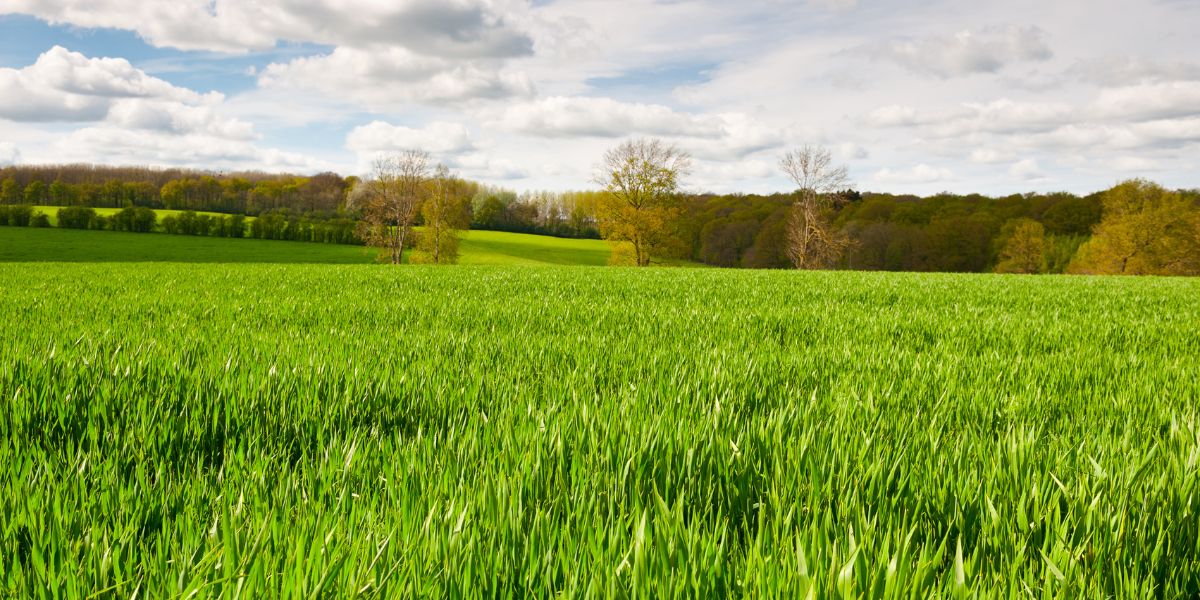
Livestock is one of the sectors that most contribute to the development of the Brazilian economy. However, new techniques are being implemented to improve the productivity of this sector. One of these techniques is the culture of artificially cultivated pastures.In this article, we will explore the benefits of implementing this technique on farms and how it can be a major revolution in Brazilian agriculture!
Introduction
Livestock farming is an economic activity that is based on the creation of animals for commercial purposes. The activity has been practiced by men since ancient times, with the aim of obtaining meat, leather, wool and other products derived from animals. However, the way livestock is practiced has been undergoing changes in recent years, due to environmental concerns and new cultivation techniques.
One of the main changes that has occurred is the increase in the cultivation of artificial pastures. This technique consists of preparing the soil and sowing the most suitable forage species for each type of animal. The objective of growing artificial pastures is to provide animals with a balanced and healthy food, in addition to reducing the environmental impact of livestock.
What are artificial pastures?
Artificial grasses are grasses that grow in controlled environments, such as inside a nursery or greenhouse. These plants are grown in fertile soil and receive regular irrigation and fertilization. Artificial pastures can be kept at an ideal height for livestock, which maximizes forage production.
How is artificial pasture cultivation done?
Artificial pasture cultivation is done from sowing grasses in prepared areas such as natural fields or crops. These areas are prepared for cultivation, fertilized and irrigated. Grasses grow and develop in controlled environments such as natural pastures.
The cultivation of artificial pastures is a process that requires specialized labor and specific equipment. The sowing of grasses can be done manually or mechanically. After sowing, the areas must be carefully monitored to ensure the growth of plants. Plants need to be irrigated and fertilized regularly to remain healthy and strong. Control of the environment is essential for the successful cultivation of artificial pastures.
Advantages of artificial pastures
Artificial pastures are a great option for ranchers who want to grow pastures in places where the soil is not suitable for agriculture.In addition, artificial pastures are more resistant to pests and diseases, which means that they require less maintenance than natural pastures. Another advantage is that artificial pastures are easier to be planted and cultivated, which means that you can get a faster harvest.
Disadvantages of artificial pastures
Artificial pastures have some disadvantages compared to natural ones. They are more expensive to maintain, as they require irrigation, fertilization and special care.In addition, they can be less nutritious for livestock and do not have the same variety of plants and insects as natural pastures.
Conclusion
Livestock is an economically important activity in the Greater Pampa region. The cultivation of natural pastures is therefore one of the main agricultural activities of the region.However, the cultivation of artificial pastures has been shown to be increasingly efficient in the production of food for livestock.
Artificial pastures are grown in closed systems, where the climate and soil moisture are controlled.This allows plants to grow in an ideal environment without the interference of adverse weather conditions.In addition, artificial pastures are nutritionally superior to natural pastures, as they are carefully fertilized and irrigated.
The main advantage of artificial pastures is their high productivity.In one hectare of land, it is possible to obtain up to 10 tons of forage per year, while in one hectare natural pasture you can only get up to 3 tons. In addition, the cost of production of artificial pastures is significantly lower than that of natural pastures.
Therefore, the adoption of artificial pastures in the Greater Pampa region can be very beneficial for rural producers in the region. The use of this technology can increase the productivity of livestock systems and dramatically reduce production costs, resulting in a higher profit for livestock owners.



