

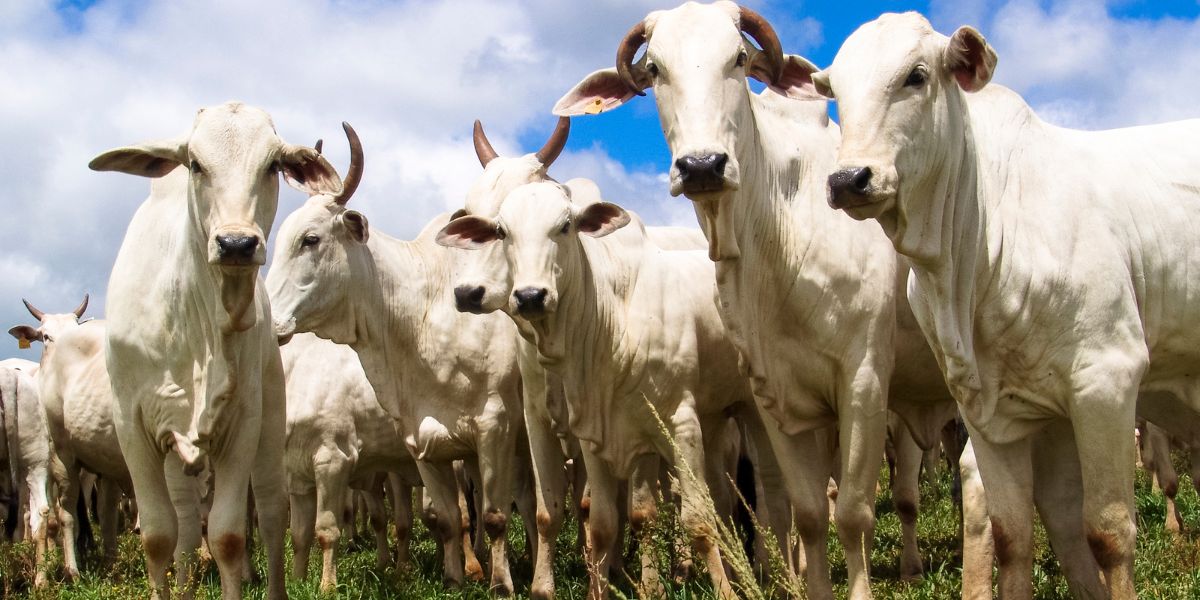
Animal nutrition plays a key role in the health, well-being and productivity of farmed animals.In recent decades, the use of probiotics and prebiotics has gained prominence as promising nutritional strategies to improve animal health and performance. These food additives have been widely studied and applied in animal production, aiming to replace or reduce the use of antibiotics as growth promoters
Probiotics: Definition and Mechanisms of Action
Probiotics are live microorganisms that, when administered in adequate amounts, confer benefits to the health of the host. In animal nutrition, the most commonly used probiotics are bacteria of the genera Lactobacillus, Bifidobacterium, Enterococcus and Bacillus, as well as yeasts such as Saccharomyces cerevisiae.
The mechanisms of action of probiotics include:
- Competitive exclusion: Probiotics compete with pathogens for adhesion sites and nutrients in the gastrointestinal tract, reducing colonization by undesirable microorganisms.
- Production of antimicrobial substances: Some probiotic strains produce compounds such as organic acids, bacteriocins, and hydrogen peroxide, which inhibit the growth of pathogens.
- Modulation of the immune response: Probiotics can interact with the host immune system, stimulating the production of antibodies and defense cells.
- Improved digestibility and nutrient absorption: Certain probiotic strains produce enzymes that aid in nutrient digestion, increasing their availability to the animal.
Prebiotics: Definition and Effects on Animal Health
Prebiotics are non-digestible food ingredients that selectively stimulate the growth and/or activity of a limited number of beneficial bacteria in the colon, thus promoting host health. The most studied and used prebiotics in animal nutrition are oligosaccharides, such as fructooligosaccharides (FOS), mannanoligosaccharides (MOS) and galactooligosaccharides (GOS).
The effects of prebiotics on animal health include:
- Promoting the growth of beneficial bacteria: Prebiotics serve as a substrate for the growth of probiotic bacteria, favoring the establishment of a healthy gut microbiota.
- Improved intestinal mucosal integrity: Some prebiotics may increase the production of short-chain fatty acids, which are important for gut cell health.
- Modulation of immune response: Prebiotics may interact with gut-associated lymphoid tissue (GALT), stimulating the production of antibodies and defense cells.
- Reduction of pathogen adhesion: Certain prebiotics, such as SOMs, can bind to pathogens, preventing their adhesion to the intestinal mucosa and reducing the incidence of infections.
Applications in Animal Production
The use of probiotics and prebiotics in animal nutrition has been explored in several species, including poultry, pigs, cattle and fish.Some examples of applications include:
- Poultry: Probiotics and prebiotics are used to improve zootechnical performance, reduce the incidence of enteric diseases and improve the quality of meat and eggs.
- Pig farming: These additives are employed to increase weight gain, improve feed conversion and reduce the incidence of post-weaning diarrhea.
- Cattle farming: Probiotics and prebiotics are used to improve feed efficiency, milk production and calf health.
- Aquaculture: The use of these additives in fish and shrimp nutrition aims to improve growth, feed efficiency and disease resistance.
Future Challenges and Prospects
Despite the demonstrated benefits, the use of probiotics and prebiotics in animal nutrition still faces challenges. The selection of probiotic and prebiotic strains specific to each animal species and production phase is essential to obtain consistent results.In addition, the stability of these additives during the processing and storage of feed should be considered.
Future research should focus on the development of new probiotic and prebiotic strains, as well as on understanding the mechanisms of action of these additives in different animal species.The combination of probiotics and prebiotics (symbiotics) is also a promising area, aiming to enhance their beneficial effects.
Conclusion
The use of probiotics and prebiotics in animal nutrition represents a promising strategy to improve the health, well-being and productivity of farmed animals. These food additives can contribute to the reduction of the use of antibiotics as growth promoters, meeting the demands of consumers for safe and sustainable food. However, more research is needed to optimize their application and fully elucidate their mechanisms of action.



