

The breeding of animals in confinement is a controversial topic and that divides opinions. While some defend the economic benefits and efficiency in production, others question the ethical and animal welfare issues involved in this process. In this article, we will explore the subject in detail, analyzing the different forms of breeding in confinement, its advantages and disadvantages. If you are interested in this topic so important for the food industry, read on!
What is confinement animal husbandry?
Feeding in feedlot is a process by which animals are kept indoors, usually with little space to move. This technique is widely used in the food industry and aims to increase production efficiency.
There are different types of confinement, from the simplest to the most complex.In some cases, animals are kept in individual cages or small compartments, while in others they have more space to move.
Despite the variations in the method used, they all aim to maximize productivity and reduce operating costs.For this, techniques that can be considered cruel or harmful to animal welfare are often used.
On the other hand, advocates of confinement argue that this technique allows a greater supply of food at affordable prices to the population and contributes to the economic development of the regions where the farms are located.
It is important to remember that there are controversies on this topic and divergent opinions among experts.The debate continues as consumers seek increasingly detailed information about the origin of the foods they consume daily.
The different ways of raising animals in confinement
There are several ways to raise animals in confinement, each of which has specific characteristics and adaptations for different species.
One of the most common ways is the creation in enclosed sheds, where animals are kept in a limited space with temperature control, light and ventilation. This modality is widely used in swine and poultry farming.
Another way is the creation in individual or collective cages, which can also be found in poultry and swine. This model allows individual monitoring of animals and facilitates the sanitary control of the herd.
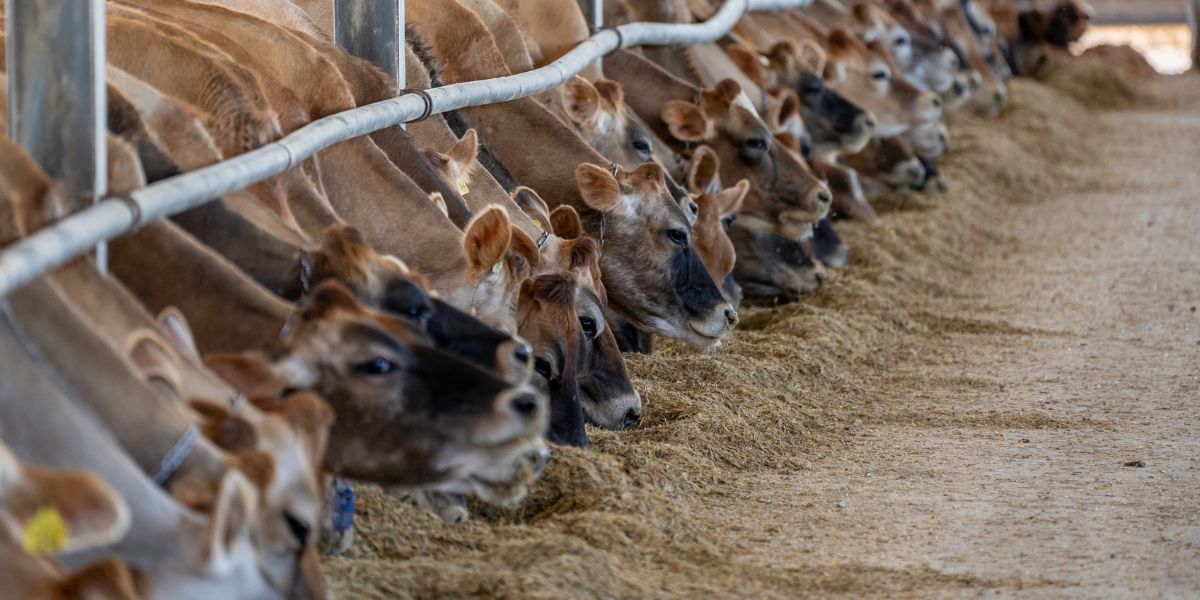
Free stall consists of the confinement of animals within open or semi-open facilities, such as covered pens or airy stables. It is an option widely used for dairy cattle.
There are also intensive aquatic farms, such as fish farming and shrimp farming (shrimp farming). In these cases, fish or shrimp are stored in special tanks with controlled water circulation.
It is up to the producer to choose which method best suits the needs of his creations considering factors such as cost-benefit and animal welfare.
Advantages of keeping animals in confinement
The breeding of animals in confinement has been a technique increasingly used in animal production. This practice is based on the creation of animals in closed, controlled and monitored environments, where it is possible to ensure the ideal conditions for the healthy development of animals.
One of the greatest advantages of the confinement of animals is the possibility of reducing production costs. This is because this technique allows a more efficient management of food, water and space used by animals, which results in less waste and greater use of these resources.
In addition, another important benefit of this practice is the possibility of sanitary control of the herds. By keeping the animals isolated in controlled environments, it is possible to prevent diseases transmitted by external vectors or even diseases caused by the interaction with other individuals in the herd.
Another significant advantage is related to the quality of the meat produced. The controlled environment ensures that the necessary nutrients reach the individuals with frequency regulated and supervised by trained professionals. This makes the meat have better nutritional quality and differentiated flavor.
Finally, another great advantage of the confinement animal breeding is to be able to have greater control over the time required for fattening the animal before slaughtering is carried out. In this way, the producer can plan its offer in the market without having to depend on climatic variations throughout the year or on the natural reproductive cycles of their herds.
Disadvantages of animal husbandry in confinement
In conclusion, the breeding of animals in feedlot can bring significant benefits to producers and consumers, but also has important disadvantages. While it is an efficient and economical way of producing meat on a large scale, animal suffering must be considered. In addition, the nutritional quality of meat produced in feedlot may be lower than meat produced in natural pastures. Finally, there are environmental concerns about the management of waste generated by intensive animal husbandry.
So it is important to carefully evaluate the advantages and disadvantages before adopting this method of breeding. And if you are a conscious consumer who values both your health and animal and environmental well-being, choosing organic products or meat from family farms with more sustainable practices may be a better option for all 'including animals!



