

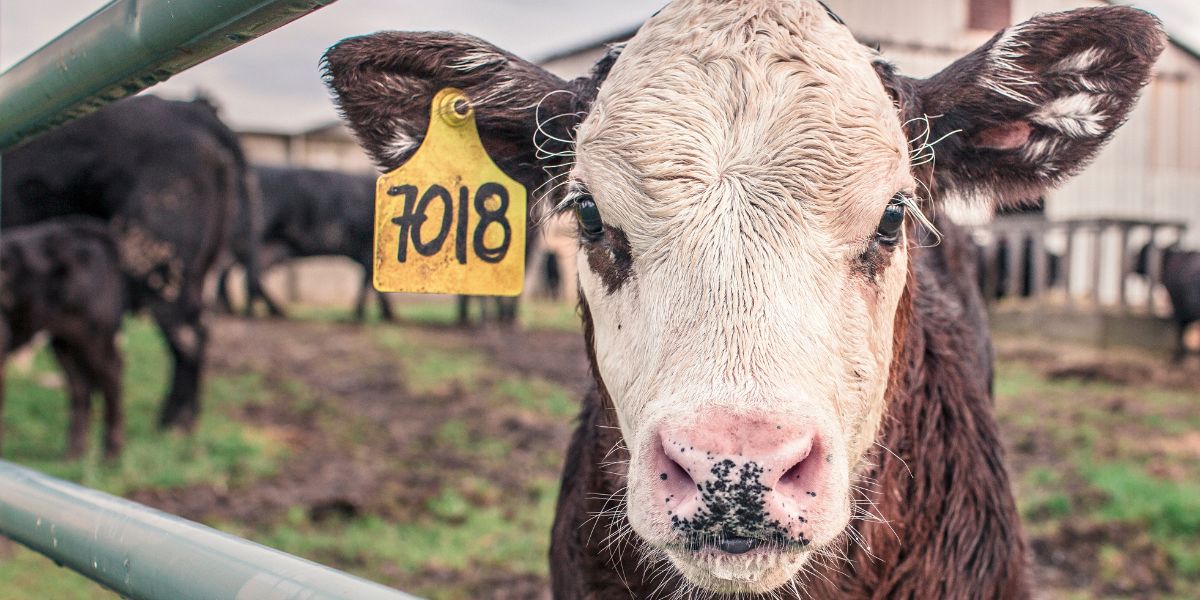
Welcome to another article on the impactful relationship between climate and livestock! Whether you are a rural producer or simply interested in the subject, you know that climatic conditions can directly influence the production of animals. From breed choice to daily care, everything is affected by the climate in question. In this post, we will explore how this relationship can be beneficial or harmful to producers and what are the main livestock activities that suffer from these environmental changes.
Climate and environmental conditions
Climate is one of the main factors affecting livestock development.Environmental conditions such as temperature, humidity and light directly influence animal welfare and the quality of the final product.
For example, extreme temperatures can cause heat stress in animals, leading to health problems such as dehydration and heatstroke.In addition, rainfall is also key to keeping pastures green and healthy for livestock to feed.
Air pollution can seriously affect the health of animals and reduce their productivity. Therefore, it is essential to ensure a clean and airy environment within the premises where they are housed.
In addition, we must not forget the importance of sunlight for farmed animals.Exposure to natural light during a certain period of the day helps in the healthy development of poultry and cattle.
Concluding this first part on climate and environmental conditions in livestock: It is essential to understand these climatic relationships to take better care of our animals!
Livestock and climate
Livestock farming is an activity that directly depends on the climate and environmental conditions to succeed. The climate can affect the animals, food and even the facilities necessary to raise livestock. As a result of this, it is necessary to always be aware of weather forecasts and adapt according to changes.
In regions that are too hot or too humid, animals can suffer from heat stress, which can lead to weight loss and damage to health.It is therefore important to ensure enough shade for animals during prolonged periods of strong sun.
In drier or colder regions, water scarcity can be a major problem for both animals and their pastures. It is necessary to plan in advance how to make reservoirs and efficient irrigation systems.
In addition to the challenges related to the animals themselves, there are also logistical issues involved in livestock farming that are influenced by the climate - for example, transporting livestock in extreme weather conditions can be very difficult and even dangerous.
Therefore, understanding how the climate influences livestock is fundamental to succeed in this important activity not only in Brazil but worldwide.
Influence of climate on the main activities of livestock
Livestock farming is an activity that directly depends on climatic conditions for its development and success.The climate can influence the quality of pasture, water availability and even affect the welfare of animals.
In times of drought, for example, farmers may struggle to keep their livestock fed enough fodder, which can lead to the need to buy outside feed or reduce herd size.
In regions with excessive rainfall, pastures can be damaged by soil erosion and waterlogging.In addition, animals are also more subject to diseases related to water stress.
The intense cold can also harm animal production. At low temperatures, there is a greater energy demand from animals to maintain their normal body temperature.If there is no proper management of the environment where they live (such as heated shelters), they may suffer weight loss or even death.
On the other hand, high temperatures combined with high humidity bring another series of challenges to livestock.Bovine animals are sensitive to heat and may have problems such as decreased food intake and increased water consumption.
Therefore, it is important that producers are aware of local weather forecasts to ensure good environmental management of the creations throughout the year!
Conclusion
In summary, livestock is an activity that depends directly on climatic and environmental conditions. Both excess and lack of rainfall can negatively impact animal production, resulting in economic losses for producers.
On the other hand, when conditions are favorable, such as mild temperatures and adequate humidity of the air, the activity can thrive and generate good profits.
Therefore, it is essential that professionals in the area are always aware of climate change and adapt to new realities to ensure the success of their production.In addition, investments in technology and sustainable practices are also important to maintain an efficient and responsible livestock with the environment.
In conclusion, we can say that understanding the influence of climate on livestock is essential to ensure healthy and profitable production for both animals and producers.



