

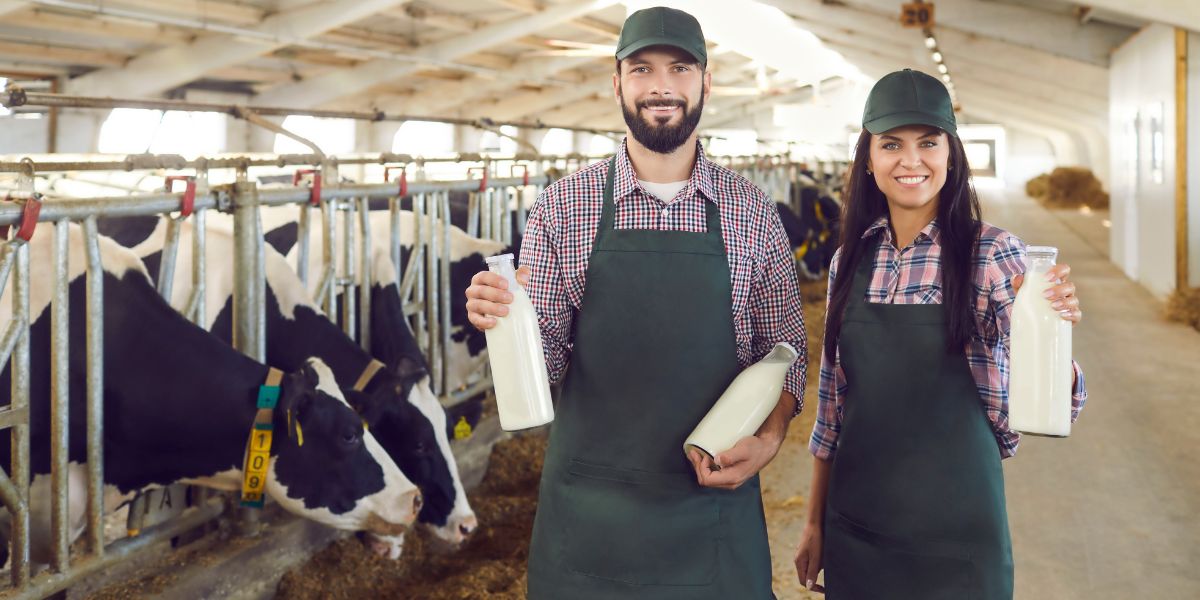
Welcome to the world of rural tourism in Brazil! Here, you can experience country life and enjoy all that it has to offer. And one of the main activities in the countryside is livestock, which is closely related to rural tourism.In this post, we will explore this unique relationship between these two industries and discover how they complement each other to create authentic experiences for visitors. Come with us on this exciting journey through the heart of the Brazilian countryside!
Rural tourism in Brazil
Rural tourism in Brazil has grown in recent years, attracting more and more visitors from all over the world who wish to experience a different life from the bustle of cities. The country is known for its vast territorial extension and cultural diversity, which makes rural tourism even more attractive.
Rural tourism offers visitors the opportunity to get to know the cultural roots of Brazil, including its traditions and customs.In addition, travelers can enjoy outdoor activities such as nature walks, horseback riding and bicycle tours.
Another advantage of rural tourism is the chance to taste fresh locally produced food.Most rural establishments have restaurants where meals made with ingredients grown right there are served from fruits to meats.
For those seeking tranquility, peace and quiet amid the rush of day-to-day in large cities, rural tourism in Brazil can be a great option to disconnect a little from the hectic routine and experience a unique experience in direct contact with nature.
The relationship between livestock farming and rural tourism
Rural tourism in Brazil has grown in recent years and livestock is one of the main attractions for visitors seeking an authentic experience in the countryside.The relationship between these two activities is quite close, since many rural properties have in animal husbandry their main source of income.
Tourists can participate in various livestock-related activities such as milking dairy cows, feeding cattle and horseback riding.In addition, many developments offer lodging in historic farms or rural inns that provide visitors with an immersion in the local culture.
Livestock farming can also be seen as a sustainable form of economic development in rural regions.Local producers can invest in improvements in properties and in the qualification of employees to meet the demands of the tourism sector, generating jobs and increasing the supply of services to visitors.
Thus, the relationship between livestock and rural tourism is beneficial both for farm owners and for travelers who want to know more about the traditions of the Brazilian countryside.It is important to also emphasize the importance of environmental preservation in these areas, thus ensuring a sustainable future for the agricultural sector and rural tourism in the country.
Conclusion
Throughout this article, we were able to see how livestock and rural tourism are related in Brazil. Both can benefit from each other, generating more income and development for local communities.
Rural tourism offers a unique opportunity for visitors to get a close look at farm life and learn about animal husbandry. In turn, farmers can take advantage of this growing demand for authentic experiences in the countryside to diversify their sources of income.
In addition, rural tourism can help promote sustainable practices in livestock farming by encouraging farmers to adopt more environmentally conscious methods and animal welfare.
It is therefore important to recognize that these two economic activities are not mutually exclusive.
Therefore, we hope to have contributed relevant information on this very important topic for the development of our agriculture and local economy. And you?What did you think of this subject? Leave your opinion in the comments!



