

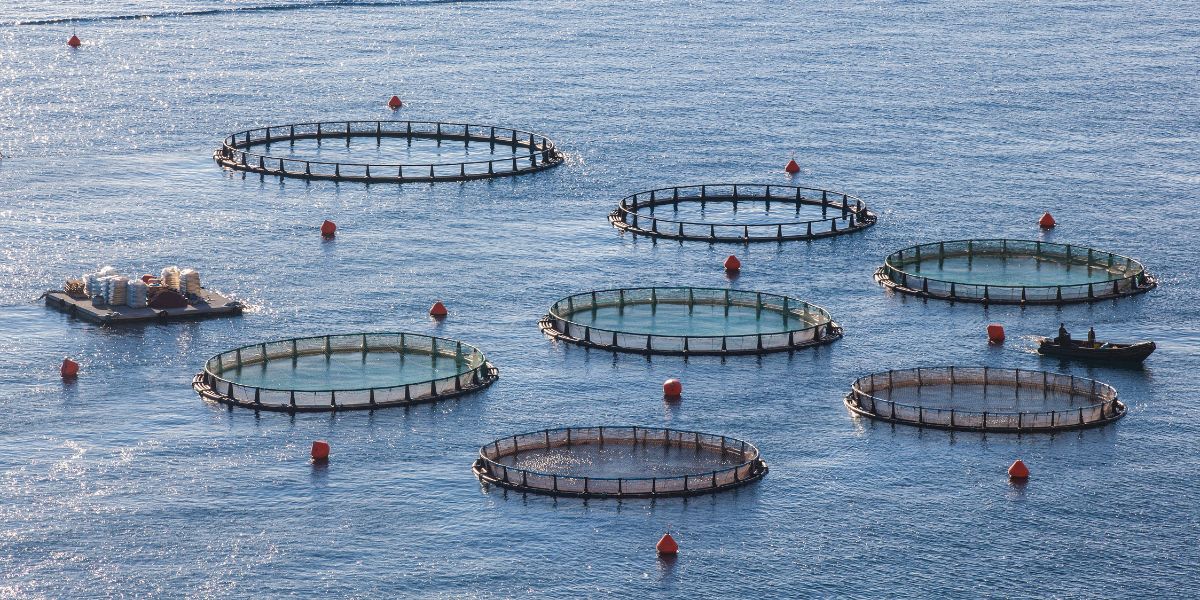
Aquaculture is an agricultural activity that is based on the creation of aquatic animals in controlled environments for consumption purposes. It brings several benefits to agribusiness, such as higher productivity and yield, economic growth, environmental preservation and diversification of supply of other sectors of the economy. In this article will be addressed all the benefits that aquaculture can bring to agribusiness!
Introduction
Aquaculture is a booming sector in Brazil and represents an important option for diversification of agricultural production. The cultivation of aquatic species can be carried out in open or semi-open systems, such as cages, excavated nurseries or rational breeding sites.
The activity provides numerous benefits to the environment and the local economy, and is also an important source of food and income for riverine communities. Artisanal fishing and aquaculture are traditional activities of people who inhabit the banks of brazilian rivers and are closely linked to their cultures.
What's aquaculture?
Aquaculture is an activity of growing aquatic organisms in controlled environments, such as nurseries, tanks or lakes. The activity can be divided into two major sectors: the production sector (which involves the creation of animals) and the processing sector (which involves the processing of aquaculture products).
Aquaculture is a relatively new activity, which began in China more than 4000 years ago. Currently, it is an important source of protein for humanity, representing about 16% of the world's supply of fish. In Brazil, the activity began to develop in the 1970s and today the country is the fourth largest producer of tilapia, fifth largest producer of shrimp and ninth largest producer of salmon in the world.
Aquaculture Benefits
Aquaculture is an agricultural activity that is based on the creation of aquatic animals in controlled environments, such as nurseries or tanks. The main purpose of aquaculture is to obtain products for human consumption, such as seafood and fish.
In Brazil, aquaculture has shown to be a promising activity, especially with regard to shrimp production. According to data from IBGE (Brazilian Institute of Geography and Statistics), the country is the fourth largest producer of shrimp in the world, with a production of almost 400 thousand tons per year.
In addition to food production, aquaculture can also generate other benefits, such as job and income generation, land appreciation and contributions to the conservation of water resources.
Disadvantages of Aquaculture
In terms of environmental impact, aquaculture can cause damage to natural waters through chemical and organic pollution.In addition, aquaculture can interfere with water quality due to intensive use of water resources. Another problem is that species grown in aquaculture can invade natural ecosystems and compete with native species for food and habitats.
Here are some of the main disadvantages of aquaculture:
Chemical and organic pollution of natural waters;
Interference in water quality due to intensive use of water resources;
''Aquaculture species can invade natural ecosystems and compete with native species for food and habitats.
Types of Aquaculture
Aquaculture is the cultivation of aquatic organisms in controlled environments, such as nurseries, tanks and swimming pools. The activity can be divided into four broad categories: fish cultivation, shellfish, algae and aquatic plants.
Fish farming is the oldest aquaculture activity and accounts for approximately 60% of the total production of aquatic organisms.The main types of fish grown are tilapia, carp, salmonids, catfish and catfish.
Shellfish are the second most cultivated, accounting for about 30% of total production. The most common species are: shrimp, mussels, oysters and squid.
Algae are those that require less water and are grown in terrestrial environments, such as swimming pools or tanks. The most common species are: spirulina, chlorella, dunaliella salina and haematococcus pluvialis.
Finally, aquatic plants can also be grown in aquaculture. The species of greatest interest are seagrass (Zostera marina) for the production of biofuels and other raw materials; macroalgae (for example, Ulva lactuca), used in food manufacturing; and yeasts for industrial use in biotechnology.
Importance of Aquaculture in Brazil
In Brazil, aquaculture has increasingly stood out as one of the main sources of animal protein in the country.
Brazil is the fourth largest producer of fish in the world, with a volume produced that exceeded the mark of 3 million tons in 2014. Since then, production continues to grow and today Brazil has more than 3.5 million tons annually. Most of the production is directed to the domestic market, where the demand for fresh and salted fish is increasing.
Aquaculture in Brazil & Its Positive Impacts:
Employment and Income Generation: The activity generates direct and indirect jobs throughout the production chain;
Reducing Predatory Fishing: When cultivating species in controlled environments, the pressure on fishing resources is reduced;
Sustainable Development: Aquaculture contributes to local and regional development in a sustainable way, as it uses modern technologies that minimize environmental impact; and
Food Safety: Cultivation of aquatic organisms provides the population with a cheap and healthy source of animal protein.
Aquaculture plays a fundamental role in the Brazilian economy, as it provides direct and indirect jobs, generates foreign exchange with exports, and helps to ensure food security of the population. In addition, modern technologies used in aquaculture production allow it to be carried out with low environmental impact
Conclusion
With aquaculture, Brazil can become one of the main fish producing countries in the world. This not only benefits the economy of the country, but also brings environmental and nutritional benefits to the population.
Aquaculture is an activity that has grown a lot in Brazil in recent years.The country is already the third largest producer of farmed fish in the world, behind only China and India. This growth has been driven by the increase in domestic and foreign demand for aquaculture products.
However, there is still a lot of potential for aquaculture growth in Brazil. The country has large tracts of arable land and water resources, as well as a favorable climate for the activity. All this puts Brazil in a privileged position to become one of the main fish producing countries in the world.
This brings significant benefits to the country's economy, such as increased job supply and increased exports.In addition, it can also generate environmental and nutritional benefits for the Brazilian population.
Therefore, it is important that the Brazilian government continues to invest in aquaculture. This activity has great potential to boost the country's economy and ensure healthy and safe food for Brazilians.



