

Livestock is one of the oldest agricultural activities in the world and its products have been fundamental in human food for thousands of years. Still, the way it is practiced has undergone several changes over the centuries, and today there are numerous different ways in which it is carried out. In this article, we will analyze the main of them and their benefits for the environment.
Introduction
Livestock can be divided into three broad categories: extensive, intensive and semi-intensive. Extensive livestock is that which occurs in large areas of land with little or no human intervention. Already intensive livestock is characterized by the use of modern techniques of breeding and feeding, as well as the confinement of animals. Semi-intensive livestock is usually a mixture of the previous two, where animals are raised in larger areas with some type of human intervention.
What's livestock?
Livestock is the branch of agriculture that is dedicated to the creation of animals for commercial purposes. It can be said that livestock is a very old economic activity, since the first humans domesticated animals for food or transportation purposes. Modern livestock, however, usually involves the creation of cattle for the production of meat, milk and leather. There are different types of livestock, from traditional farms to large industrial farms, and they can vary considerably in terms of size, scale and methods used.
Different forms of livestock
Some of the forms of livestock farming are:
1. Cattle farming: It is the breeding of cattle such as dairy cows, beef cattle and buffalo.
2. Caprinoculture: It is the creation of goats for the production of meat, wool, milk and leather.
3. Ovinoculture: Sheep rearing for wool, leather and meat production.
4. Pig farming: It is the raising of pigs for the production of meat and animal fats.
5. Poultry: It is the raising of chickens for the production of eggs and meat.
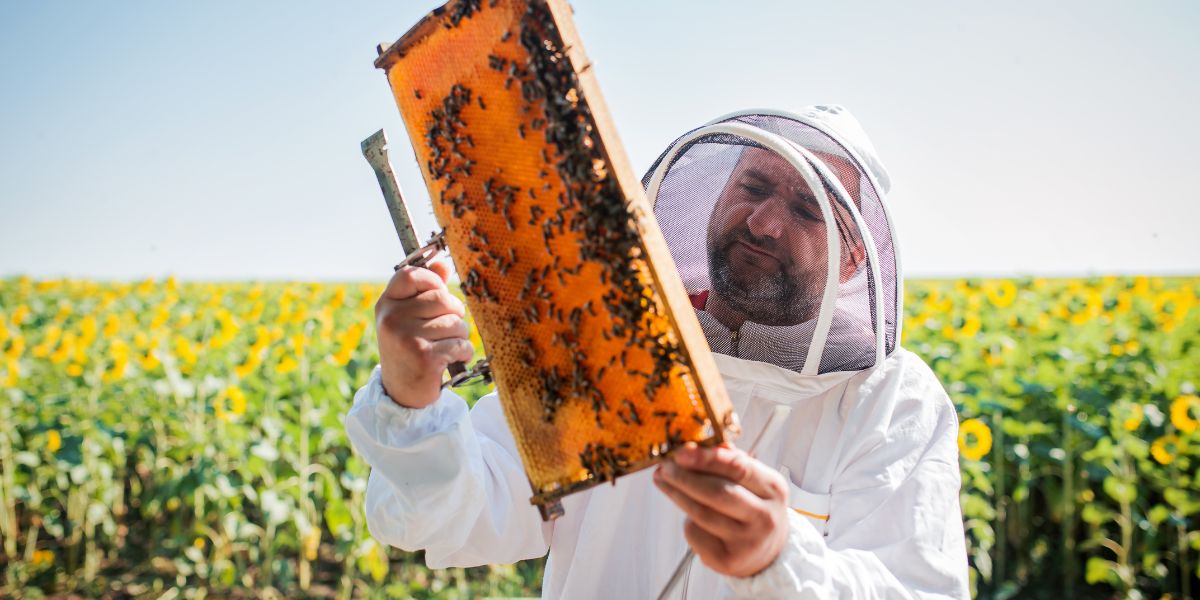
6. Beekeeping: Beekeeping is the breeding of bees for the production of honey and other products derived from bees, such as propolis, pollen, royal jelly etc.
7. Fish farming: Fish farming in controlled aquatic systems for the production of meat, eggs, oil and other products.
8. Cuniculture: It is the breeding of rabbits for meat, fur and wool production.
9. Wool sheep farming: Is the breeding of sheep for exclusive wool production.
10. Dairy goat farming: It is the creation of goats for exclusive milk production.
Livestock in Brazil
Livestock is a very important economic activity for Brazil.It refers to the creation of animals for consumption purposes, such as meat, milk and other products.
In Brazil, livestock farming is a very old activity that already existed at the time of the Portuguese colonizers. At that time, animals were raised mainly for export to Europe. Over time, livestock has developed in the country and has become an important source of income for many Brazilian families.
Currently, livestock remains a big business in Brazil.The country is the largest producer and exporter of beef in the world.In addition to beef, Brazil is also a major producer of other livestock products, such as milk, eggs and leather.
Conclusion
Livestock can be practiced in several ways, the most common being raising livestock for meat. However, it is also possible to raise animals to produce milk or eggs, or even for work.Each system has its pros and cons, and it is important to choose the one that best suits your needs.



