

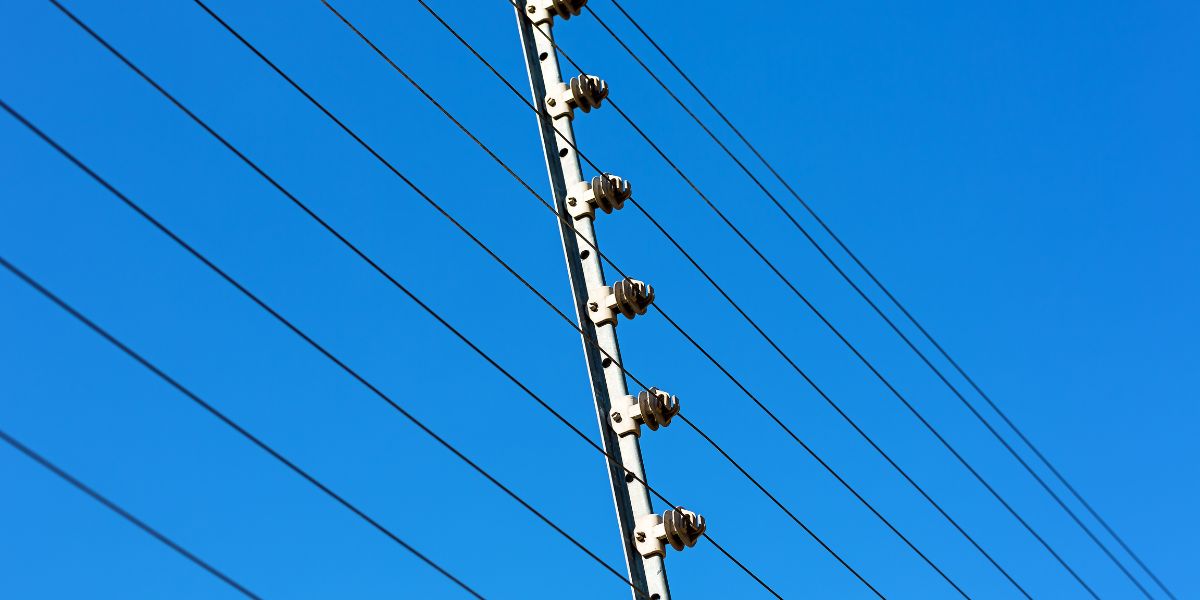
If you own a rural property, you know how important it is to keep your animals safe. And one of the most effective ways to do this is by installing electric fences. In addition to being extremely efficient in animal containment, these fences can also bring several other advantages to your livestock. But before deciding whether this option is ideal for your business, let's understand how it works and what are the main advantages and disadvantages of this technology. Ready?
What is an electric fence?
An electric fence is a safety system used to delimit an area and keep animals contained within it. It works by sending electrical pulses in the wiring that makes up the structure of the fence, generating an electric discharge when touched. These pulses are harmless to animals, but the shock caused by the discharge is enough to keep them away and prevent attempts to escape.
Electric fences can be installed on farms, pastures, farms or any other area where it is necessary to maintain the containment of animals. In addition, they can also be used as a preventive measure against unwanted invasions by people or other animals.
An important point to consider before installing electric fences is to check local laws on the use of this technology. In some regions there may be restrictions on the type and intensity of electrical charges allowed in the fences.
In summary, electric fences are an effective option for those seeking to keep their animals protected and contained in their designated areas. However, it is essential to have prior knowledge about their installation and legal regulation before opting for this technological alternative in livestock.
How does an electric fence work?
An electric fence is a safety device that uses electricity to keep livestock within a specific area. It works by creating an electrical pulse at regular intervals through the fence wires. When the animal comes in contact with the fence, it receives an electrical discharge, which does not cause permanent damage to the animal, but serves as a deterrent to continue trying to cross it.
The energy used by the electric fences can be supplied by batteries or by an external source of energy, such as solar panels or wall sockets. The system also has insulators and poles, in addition to the conductive wires themselves.
Electric fences are designed to withstand harsh weather conditions and can be used both on flat and rough terrain.In addition, they have the added advantage of being cheaper than traditional physical fences made of wood or metal.
However, it is important to remember that electric fences are only effective if they are installed correctly and maintained properly. Maintenance includes regular testing of the connections and the voltage of the fence to ensure that it is working properly.
In summary, electric fences work by creating regular electrical pulses in the conductive wires of the fence to prevent the cattle from leaving the safe place delimited by the farm or rural property where they are installed.
Advantages of using electric fences in livestock
The use of electric fences in livestock brings several advantages. One of them is the security that this technology provides to cattle and farmers. With conventional fences, often cattle end up breaking loose and invading neighboring properties or even being stolen by thieves.
In addition, electric fences are much more efficient than conventional ones, since they have an electronic system that emits electrical energy impulses in the wires of the fence when the animal comes in contact with it. This makes the cattle not try to jump or break into the fence and thus prevents accidents for both animals and humans.
Another great advantage of electric fences is financial savings. As they are more resistant and durable than the other fencing options available on the market, they end up reducing the costs of maintenance and replacement of materials used in the construction of physical barriers.
Finally, it is also worth noting that this technology has a low environmental impact compared to other forms of animal containment such as walls or pits. Electric fences do not generate solid waste or pollute the soil, being a sustainable option for those seeking to maintain the integrity of the rural area without damaging the environment.
In summary, it can be said that using electric fences in livestock is a smart choice from both an economic and environmental point of view.
Disadvantages of using electric fences in livestock
While electric fences can be an effective option for controlling the movement of livestock, there are some important drawbacks to consider.
Electric discharges can cause physical harm to animals and affect their natural behavior.If an animal is hit by an electrical charge, it can become frightened and stressed, which can lead to health problems and reduce its production.
In addition, the costs of installing and maintaining the electric fences can be significant. Whenever there is a problem with the fence or the underlying power system, it will be necessary to call a specialized technician to solve it. This can be expensive in remote areas where few technicians are available.
It is also important to remember that electric fences are not 100% effective against all types of animals. Some animals can quickly learn how to avoid repeated electric shocks or find ways to escape the fence completely.
Finally, another potential disadvantage of electric fences in livestock farming is the lack of easy access to adjacent pastures.Farmers need to ensure that they have adequate gates installed in the fences to allow cattle to pass between pastures without additional risk.
In conclusion, although there are some disadvantages to using electric fences in livestock, many producers still choose to use them because they are highly effective in controlling the movement of animals.It is up to the producer to weigh the pros and cons to decide whether an electric fence is the best option for their needs.
Conclusion
In short, electric fences can be a great option for livestock. They provide an effective and economical method of containing livestock, as well as helping to protect animals from external predators.However, it is important to keep in mind that there are some disadvantages associated with the use of these fences.
Before you decide to implement this type of fence on your farm, it is essential to carefully assess the specific needs of your herd and consider whether this solution meets your demands.In addition, always make sure to follow all the appropriate standards to ensure the well-being of your animals.
Overall, we can conclude that the use of electric fences can bring many benefits to livestock, but as any agricultural technology should be used with caution and responsibility.



