

Welcome to our article on automation in animal feed harvesting in livestock! Technology is increasingly present in our lives and in the agricultural sector is no different. Automation has been one of the main tools to improve the efficiency and productivity of the processes involved in animal production. In this article, we will explore the different types of automation used in the harvesting of animal feed, as well as discuss their pros and cons. Stay with us until the end and find out how this technology can influence your livestock business!
What is automation in animal feed harvesting in livestock?
Automation in the harvesting of animal feed in livestock is the use of machines and equipment that aim to facilitate the collection of food needed for animal feed. This technology is an important tool for producers, as it allows automating repetitive tasks, reducing human errors and increasing production efficiency.
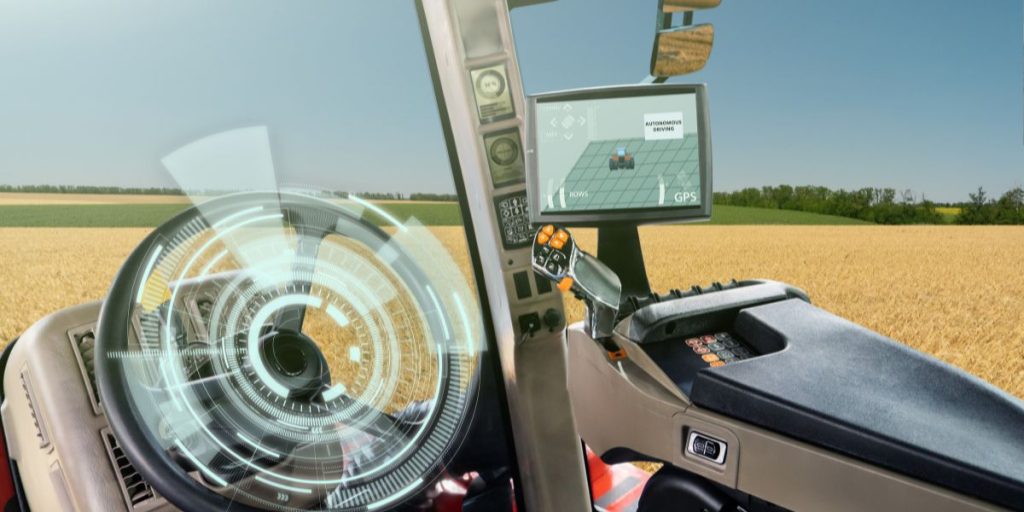
There are different types of automation used in the harvesting of animal feed.An example is the use of tractors or harvesters that work together with GPS (Global Positioning System) systems, allowing greater precision in planting crops and in the operations involved in harvesting.
Another type of automation used is the collecting robot, a programmable device capable of traversing areas in search of grain or fodder intended for animals. This equipment can be controlled remotely through the producer's cell phone or computer.
In addition, there are integrated systems that allow you to monitor the entire production process, from sowing to delivery of food to the animal. This ensures more safety and quality in the final products.
In summary, we can say that automation has been increasingly fundamental in the agricultural sector and its use has contributed significantly to improvements in the processes involved in animal production.
The different types of automation in animal feed harvesting in livestock
There are different types of automation in the harvesting of feed in livestock. One of the most common is the use of agricultural machinery, such as tractors and reapers, which can easily collect large quantities of food in a short time.In addition, there is also the option of using specialized robots in collecting and transporting these foods.
Another popular form of automation is the use of GPS technology to guide machines during harvesting.This allows farmers to work with greater precision and efficiency in the field.
Some farmers also choose to install automatic systems in their barns that provide animals with the proper amount of food through automated feed control.These systems are even able to monitor individual animal consumption and adjust the amount offered as needed.
Finally, there are also innovative solutions such as drones equipped with special cameras capable of detecting specific areas where there is a great concentration or lack of food in the pastures.
Each type has its advantages and disadvantages, but all have one common goal: to increase the productivity of the agricultural sector through the optimization of the processes involved in animal production.
Pros and cons of automation in animal feed harvesting in livestock
Automation in animal feed harvesting in livestock is a trend that grows every day.However, just like any other technology, it has its pros and cons.
Among the advantages of automation is the possibility of increasing farm productivity, as the process becomes faster and more efficient.In addition, there is a reduction in the manual labor required to perform the task, which can free up employees for other important activities.
Another advantage is the reduction of food waste. With automation, it is possible to accurately control the quantities needed to feed each animal individually.This prevents there from being excess or lack of food in the feeders.
However, not everything is flowers when it comes to automation in food harvesting. One of the main challenges faced by producers is the high initial cost of investing in automated equipment.
In addition, there is always a risk involved when completely relying on technology. Mechanical or electrical failures can occur and impair the entire production process if there is no proper plan B.
Finally, one should also consider the socioeconomic impacts of adopting this technology.If too many people are replaced by machines on farms, this can lead to the loss of local jobs and negatively affect some rural communities.
It is important to research all these aspects carefully before deciding on the full or partial implementation of automation in animal feed harvesting in livestock.
Conclusion
In conclusion, automation in animal feed harvesting in livestock is a growing trend that can bring several benefits to the sector. The use of technology in this process can increase productivity, reduce costs and improve the quality of products offered to animals.
However, it is important to remember that each property has its specific characteristics and needs. Therefore, before implementing any type of automation it is essential to carefully evaluate the advantages and disadvantages to make assertive decisions.
Still, investing in innovation can be a competitive differentiator in the livestock market and contribute to sustainable business growth.The future of agriculture is linked to the responsible adoption of new technologies available in the market. And have you considered automating your production?



