

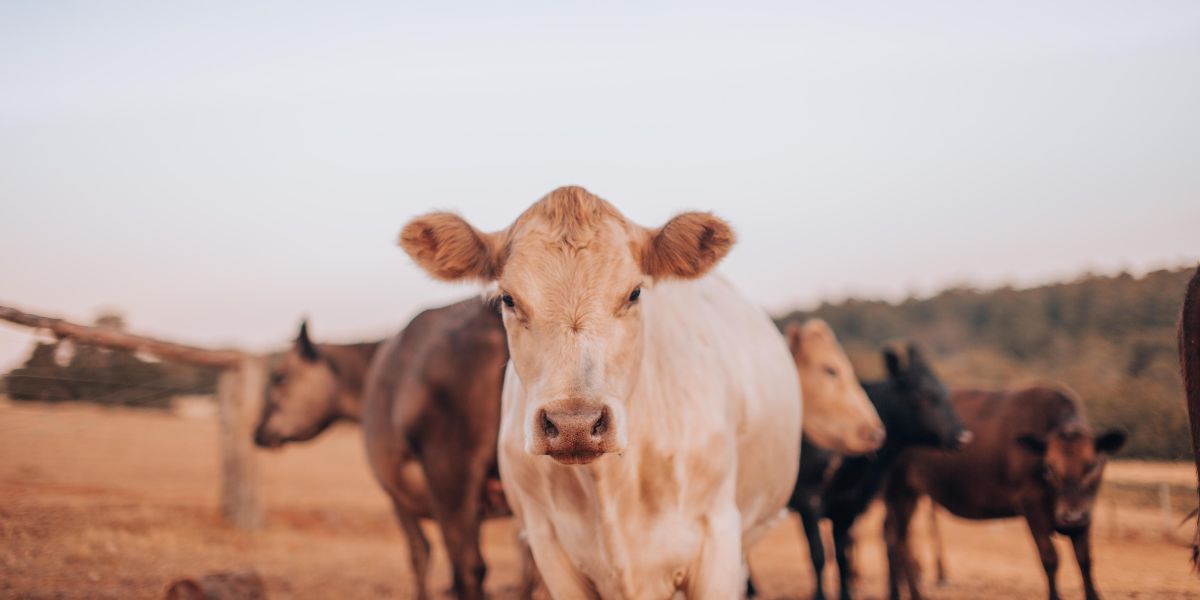
Livestock farming is an economic activity that involves the raising of cattle and the raising of animals for consumption purposes. The word “pecuirating” comes from the Latin word “pecus”. Livestock farming is an important sector of the world economy, as livestock is a natural resource that can be used for the production of food, leather, wool and other products.
In Brazil, livestock has a long history that begins in the colonial era, when the first animals were brought by the Portuguese. Over the centuries, livestock in Brazil has been adapting to local conditions, especially with regard to the most suitable livestock species for the climate and available pastures. From the XX century, Brazilian livestock has undergone a modernization process in order to increase productivity and meet the growing demand for beef and milk.
In this article, we will discuss the main characteristics of Brazilian livestock, its challenges and opportunities.In addition, we will discuss current trends and future challenges for livestock in Brazil. Finally, we will present some suggestions for a more sustainable and profitable livestock in the country.
What's livestock?
Livestock is a branch of agriculture that is dedicated to raising animals for commercial purposes. Generally, animals raised on livestock are cattle, sheep, pigs and poultry such as chickens and chickens. Livestock also includes the breeding of other animals such as horses, camels and goats.
How has livestock evolved?
Livestock has always been present in human history. Since prehistoric times, humans hunted and collected wild fruits to survive. However, the domestication of animals and the cultivation of plants were essential for the emergence of the first civilizations. Livestock played a crucial role in this process, as it provided a source of food, leather and fur to shelter people from the weather. Over time, livestock remains an important part of the world economy, representing a vital sector for many countries.However, the way it is practiced has changed greatly over the years.
The different stages of livestock farming
Livestock is divided into three major phases: extensive, semi-intensive and intensive. The difference between them is in the level of animal management.
In the extensive phase, animals are raised in large pastures and have little contact with man. Already in the semi-intensive phase, animals are raised on cultivated pastures and receive feed to complement the feed. Finally, in the intensive phase, the animals live in confinement and are fed exclusively with feed.
Livestock currently
The growing global demand for beef, along with the increasing purchasing power of the middle class in emerging countries, have generated strong growth in the sector in recent years.
The main concerns are the environmental impact of livestock, as well as the risks to human health arising from the consumption of meat from animals that have been fed diets rich in hormones and other chemicals.In addition, the sector faces the challenge of dealing with the increased demand for beef without compromising the quality of the final product.
To meet new consumer demands, livestock is being forced to change. There is a greater emphasis on sustainable production, which assumes that animals are fed natural and healthy diets without the use of hormones or other chemicals.The adoption of strict animal welfare standards and the use of innovative technologies to track livestock are also becoming increasingly important.
The challenges for livestock are great, but technological advances and new production practices offer great opportunities for the sector to continue evolving and adapting to the needs of consumers.
Conclusion
Brazilian cattle ranching has evolved a lot in recent years, especially with regard to meat production.In the last ten years, beef production in Brazil has grown by about 40%, which has made the country the largest producer and exporter of beef in the world.In addition to meat, Brazilian livestock is also responsible for the production of other products such as milk, leather and wool.



