

The Amazon is known worldwide for its wealth in biodiversity and natural resources, but it also faces significant challenges due to the expansion of livestock and other economic activities.However, did you know that livestock can actually contribute to the conservation of the Amazon biome? In this article, we will explore the role of livestock in Brazil and discuss the ways in which this industry can help protect one of the most valuable ecosystems on our planet.Prepared(a)?
Livestock in Brazil
Livestock is one of the most traditional and important economic activities in Brazil.The country has the largest commercial cattle herd in the world, with about 215 million heads, being one of the largest exporters of beef.
The expansion of livestock in brazil is directly related to the history of the country. Since the colonial period until today, this activity plays a key role in the national economy, generating employment and income for millions of families in different regions.
However, the growing demand for products derived from this industry has led to the intensification of livestock production and the consequent pressure on natural resources. This situation has resulted in increased deforestation of the Amazon and other Brazilian biomes over the last decades.
Despite these negative impacts associated with the expansion of livestock in Brazil, there are initiatives that seek to improve agricultural practices to make them more sustainable. One of them is the crop-livestock-forest integration (ILPF), which proposes the integrated use of available resources to optimize agricultural productivity without compromising local ecosystems.
Other initiatives include government programs aimed at environmental regularization of rural properties and financial incentives for the adoption of sustainable technologies by rural producers.
How livestock can contribute to the conservation of the Amazon biome
Livestock is a very important economic activity for Brazil, but it is often seen as a problem for the conservation of the environment. However, with sustainable and responsible practices, livestock can contribute significantly to the conservation of the Amazon biome.
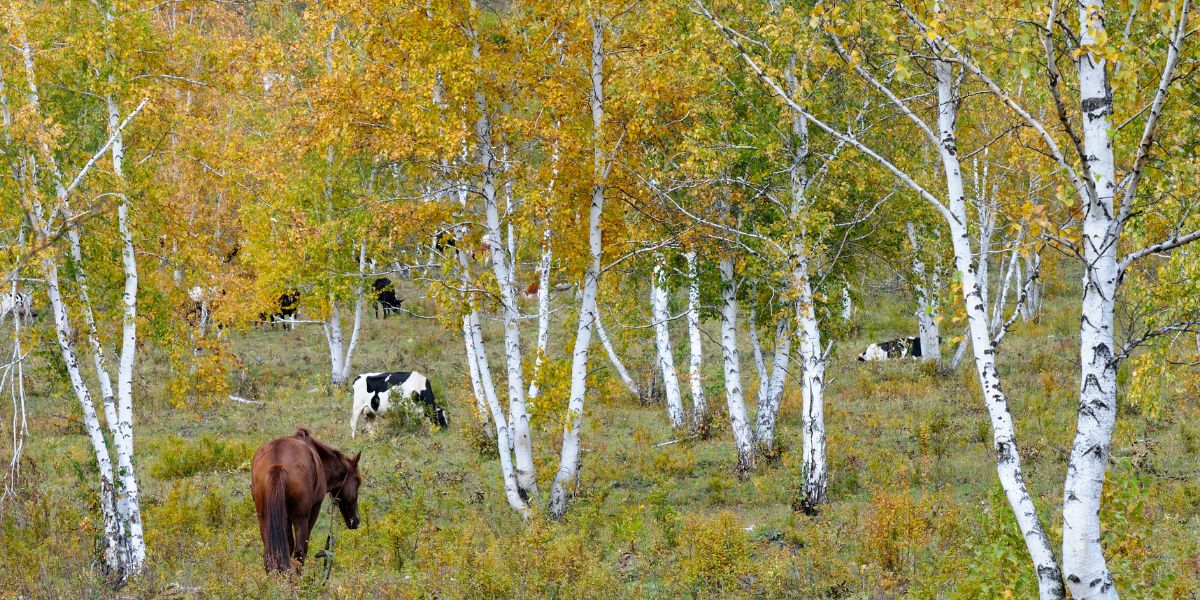
One way to make livestock more sustainable in the Amazon region is through the adoption of integrated agricultural production systems. These systems involve the cultivation of pastures intercropped with other agricultural crops, such as corn and beans, as well as the creation of animals in preserved forest areas or in silvopastoral system.
Another important practice is to avoid unnecessary deforestation and reduce the environmental impacts caused by the activity. This can be achieved through the proper use of the natural resources available on the farm, avoiding waste and controlling emissions of polluting gases.
In addition, farmers can adopt techniques that promote the recovery of areas already deforested.Restoration contributes directly to increase local biodiversity and improve the climatic conditions of the region.
In summary, by adopting sustainable and responsible practices in livestock in the Amazon biome, rural producers can contribute significantly to their conservation. It is essential to remember that this relationship does not need to be conflicting between economic development and environmental preservation; on the contrary: they must go together.
Conclusion
Faced with the challenges faced by the conservation of the Amazon biome, livestock farming emerges as a viable alternative to contribute to the protection and preservation of this region so important for the environmental balance of the planet.
With sustainable and conscious practices, it is possible to develop this activity without causing negative impacts on the environment. The use of modern technologies, such as integrated agricultural production systems, can collaborate to reduce areas destined for cattle breeding.In addition, the incentive to local production chains values producers in the Amazon region and helps in combating illegal deforestation.
It is essential that all those involved in the livestock production chain assume socio-environmental responsibilities. The adoption of good practices should be encouraged by governments and non-governmental organizations attentive to the environmental issue.
The preservation of the Amazon biome is a global commitment that requires joint efforts for the conservation of tropical forests. In this sense, livestock has an important role to play, provided it is developed in a sustainable and responsible way.
Therefore, it is up to consumers to demand products from these more conscious activities to stimulate this positive change within the market. Together we can promote a fairer and more beneficial agricultural production both for the environment and for those who depend on it to survive.



