

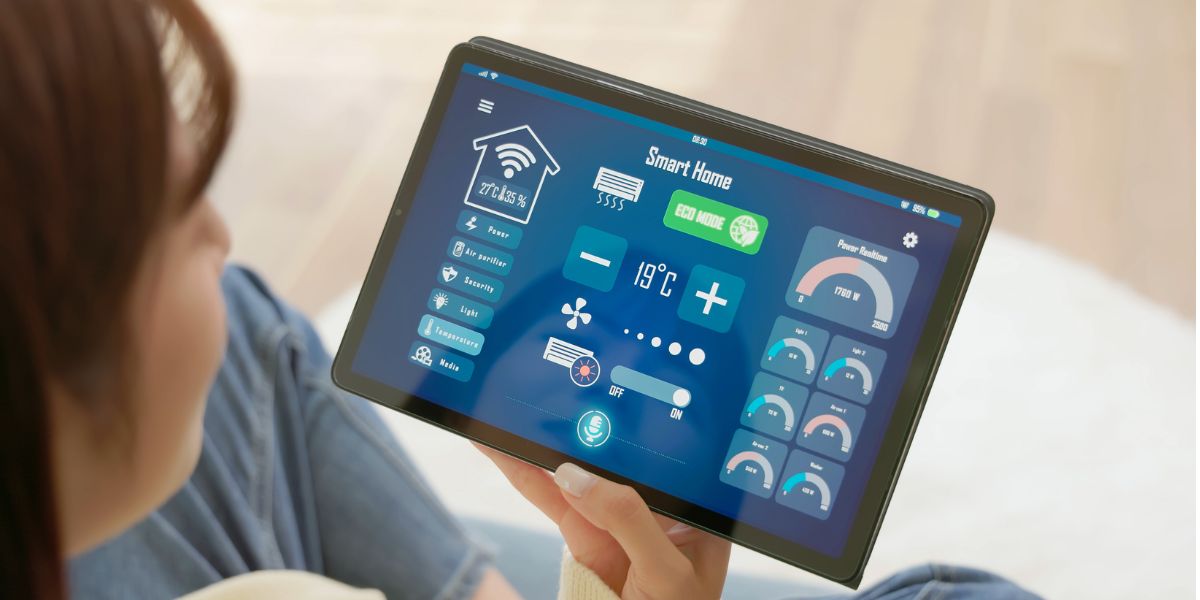
Technology is transforming several economic sectors, and livestock is not out of this trend. The implementation of the internet of things (IoT) in agricultural production is already a reality in many countries, bringing advantages such as remote monitoring of animal health, increased productivity and reduced operating costs. In this post, we will present some valuable tips so that producers and companies can take advantage of the full potential of IoT in livestock. If you want to remain competitive in this promising market, read on!
What's IoT?
The Internet of Things, or IoT, is a network of physical and virtual objects “” that are interconnected and can transmit data to each other.These objects can include anything from a wearable electronic device to a huge water reservoir.They are usually equipped with sensors and/or actuators that allow them to be monitored and/or controlled from a distance.
The concept of IoT was first introduced in the 1990s, but only recently has it become a reality due to increased connectivity, decreased component costs, and the popularization of cloud computing.With IoT, agricultural producers can continuously monitor field conditions, which allows them to take steps to maximize productivity while minimizing environmental impact.
IoT Applications in Livestock
The agricultural sector is increasingly technological and livestock is not behind. The internet of things (IoT) is gaining ground on farms and it is already possible to find several applications that help the producer on a daily basis.
The following are some ways in which IoT can be used in livestock:
MONitoring of the herd: it is possible to use tracking devices to monitor the location of the animals and thus make decisions based on real data about where the animals are grazing, for example. In addition, it is also possible to monitor variables such as the heartbeat and temperature of the animals to check for any health problems.
Control of milk production: the control of milk production can be done through the daily recording of the volume produced by each animal, which gives an overview of the health of the herd. In addition, it is also possible to monitor the fat and protein content of milk to ensure the quality of the final product.
Feed control: one of the factors that most influence the performance and health of animals is food. The IoT can be used to monitor nutrient levels in the feed, as well as automatically control the dosage according to the needs of the animals, providing a balanced and healthy diet.
PASTure management: the use of IoT technology makes it easier to control pastures, as it allows you to monitor real-time land conditions such as soil moisture and fertility, as well as the size of the pasture area and the amount of animals per hectare.
Tips and Recommendations for Implementing IoT in Livestock
Despite the size and importance of the sector, dairy farming is still poorly automated and digitized. Most farms still use traditional livestock management systems such as maps and spreadsheets to control the herd.
The Internet of Things (IoT) can be a great solution to this problem.With sensors and devices connected to the internet, it is possible to monitor livestock in real time and make data-driven decisions to increase farm productivity.
Here are some tips and recommendations for implementing IoT in dairy farming:
1. Use smart sensors to monitor animals.Sensors can collect information such as body temperature, heart rate, physical activity and stress level of livestock.This information is crucial to identify diseases early and take preventive measures.
2. Use tracking devices to control the welfare of animals in the pasture. Tracking devices allow producers to monitor the location of animals in real time, as well as information such as amount of food consumed and frequency of drinking fountains used.
3. Use drones to inspect the farm.Drones can be used to track and monitor the herd, as well as identify pasture issues and prevent potential pest infestations.
4. Use intelligent production systems to optimize production processes. Intelligent systems allow producers to collect real-time data to take decisions based on analysis. This can result in significant improvements in the quality of the milk produced and reduced operating costs of the farm.
The implementation of IoT technology in dairy farming can bring many benefits, such as improved quality of milk produced, increased productivity, reduced operating costs and greater control over animal welfare. Therefore, dairy farmers are recommended to invest in the implementation of this technology to improve their business.
Conclusion
The agricultural sector is constantly evolving and the use of IoT technology is becoming increasingly common. As a producer, you need to be aware of trends to ensure that your farm is always competitive.If you have not yet implemented IoT in livestock, these tips and recommendations can help:
Identify the goals you want to achieve with technology. This will allow you to choose the right solutions and prioritize the areas in which they should be implemented.
Do a detailed analysis of the costs involved in deploying the IoT system, as well as the monthly operating costs. This will allow you to assess whether the investment is worth it.
Work with a company that specializes in technology solutions to get the best possible result.They will have experience implementing IoT systems and can help ensure that your investment is successful.
Stay tuned to new trends and technologies in the agricultural sector.This will allow you to take advantage of the latest innovations in IoT technology to get the best possible results for your farm.



