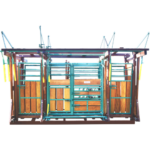


If you are a livestock professional, you know how important it is to optimize time and resources to ensure efficient production. And the good news is that automation in livestock has proven to be a great ally in this process! In this post, we will present the main automation tools available in the Brazilian market and how they can revolutionize your business. Come with us to find out more about this technology that is transforming the agricultural sector.
What is automation in livestock?
Automation is the technology that is being increasingly used in livestock. It assists the producer in controlling production, managing tasks such as herd control, food and sanitary management.
Automation can be done manually or automatically. In manual automation, the producer has full control over the tasks that will be performed, while in automated automation, the tasks are performed autonomously by the equipment.
The main benefits of automation in livestock are:
Improving milk quality;
Reduction of operating costs;
Increase productivity;
Better use of natural resources;
''Menor environmental impact.
The main tools of automation in livestock
Automation is an indispensable tool for the livestock sector. With automation, it is possible to optimize work on farms and reduce the number of errors.In addition, automation allows producers to track their animals and improve the quality of milk and meat.
The main tools of automation in livestock are:
Pasture control systems: pasture control systems allow farmers to monitor the amount of forage available to their herds. This prevents animals from being fed contaminated or insufficient forage.In addition, these systems also help to keep the soil healthy, preventing soil erosion and compaction.
Animal monitoring systems: animal monitoring systems allow producers to track their herds and receive alerts when an animal is sick or in poor condition.
Dairy robots: milk robots are used to milk cows automatically. This technology helps prevent injury to producers, as well as improving the quality of milk produced.
Climate monitoring systems: climate monitoring systems allow producers to track temperatures inside the premises, as well as relative humidity and other important meteorological factors.This allows them to take measures to ensure a suitable environment for their animals.
The benefits of automation in livestock
Automation in livestock brings many benefits to livestock producers. With automation, farmers can monitor livestock efficiently and accurately, as well as reduce manual labor.In addition, automation allows better control of milk and meat quality, as well as herd health. Another benefit is saving time and money, as farmers can perform other tasks while the system monitors livestock.
The main differences between automation in livestock and other methods of animal control
In livestock automation, animal control is done through an electronic system, while other animal control methods involve the use of feed and other food to attract animals. Another difference is that livestock automation can be done remotely, while other methods require the operator to be present on site.
Final considerations on automation in livestock
Automation in livestock has been a great ally of the rural producer, because it helps in the control of animals and the farm as a whole. In addition, automation facilitates task management and decision making, allowing the producer to have more time to devote to the activities that really likes. However, it is important to remember that automation is not the solution to all the problems of the farm, and that it should be used with caution. In some cases, automation may even cause more problems than it solves. Therefore, before investing in any type of automated system, research well and talk to other producers to know if it will really serve you in the best way possible.