

If you are a meat lover and are always looking for new gastronomic experiences, then this article is for you! The exotic meat market has grown more and more in recent years, offering different and tasty options for those who are tired of traditional beef, pork and chicken. But why this growth?What are the main consuming countries of these types of meat?.
What are exotic meats?
Exotic meats are those from unconventional animals, which go beyond the consumption of the most common meats. These types of meat can include from little-known animals to those that are consumed in other parts of the world, such as the zebra, crocodile and kangaroo.
The consumption of these meats can be considered a culinary adventure for many gourmet apprentices or experienced chefs. Some people seek these options for cultural or religious reasons, while others simply want to try new flavors in their meals.
Although exotic meats are still not very popular in Brazil, they have gained space among the most daring and curious palates.In addition, the market has increasingly invested in this area to meet the growing demand of customers.
It is worth remembering that the consumption of these types of meat should be done with caution and responsibility. It is important to check the origin of the meat before acquiring it and always prepare it following the correct indications to ensure its food safety.
Why is the exotic meat market growing?
In recent years, the exotic meat market has grown significantly around the world.But why is this happening?
One of the main reasons is the ever-increasing search for new gastronomic experiences.People are more open to trying different flavors and textures, and exotic meats offer this in abundance.
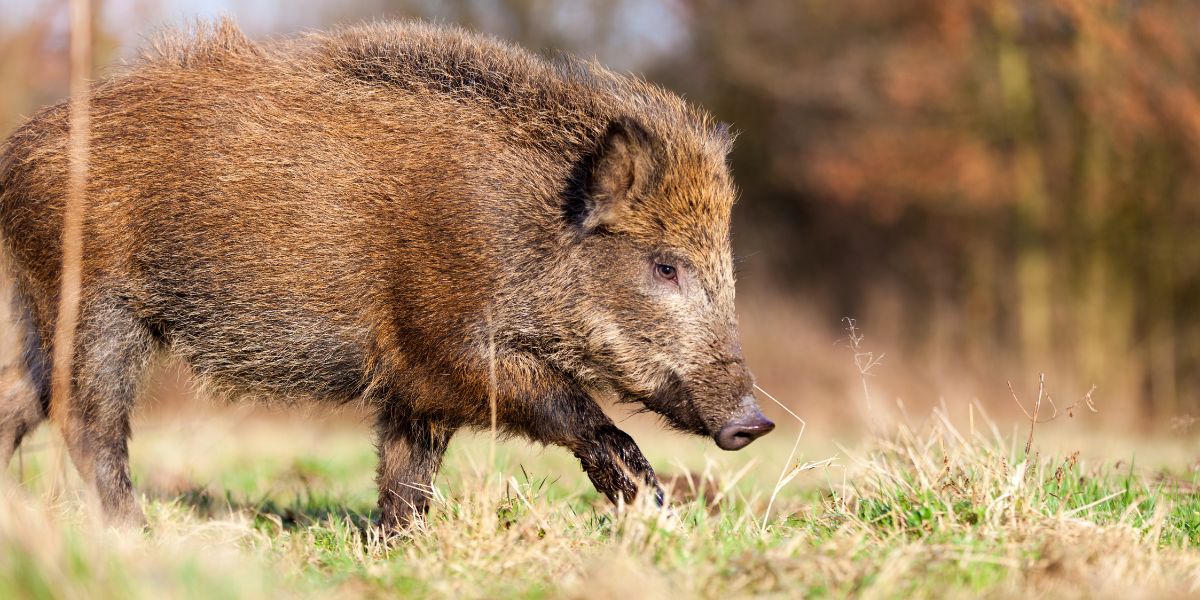
In addition, many consumers are concerned about the environmental impact of the conventional beef and pork industry.Exotic meats are seen as more sustainable alternatives, as animals such as ostriches, buffalo and wild boar need less water and space to be raised.
Another important factor is the globalization of international trade.With borders becoming increasingly permeable, products previously little known or accessible can now reach foreign markets with ease.
Finally, we cannot ignore the nutritional benefits of these meats. Some of them have reduced levels of saturated fat and cholesterol when compared to traditional beef or pork options.
All of these factors combined contribute to the growth of the exotic meat market worldwide.The trend seems to be consolidating as people seek to explore new flavors while also considering ethical and environmental issues in daily food consumption.
Which countries are the main consumers of exotic meats?
Currently, the main countries consuming exotic meats are those with great purchasing power and a very diverse gastronomic culture. Among them, we can highlight Japan, which is a great lover of horse meat; china, which consumes mainly snake and scorpion meat; and the United States, where the most popular delicacies include alligator and boar.
Other European countries have also contributed to the growth of the global exotic meat market. France is known for its exquisite culinary creations involving wild rabbit and pheasant. Already in Italy, the consumption of boar meat in several typical recipes stands out.
In Brazil there is still a lot of room to grow in the consumption of these differentiated meats. Currently some regions already produce these types of proteins as patagonian lamb or Thai tilapia.
Despite criticism of animal exploitation, more and more people around the world are seeking unique gastronomic experiences through the consumption of these exotic foods.It is important to remember that there must be responsibility both in the production and consumption of these meats to ensure a sustainable and ethical chain.
Conclusion
Throughout this article, we discussed the growth of the exotic meat market and the reasons behind it. We saw that the search for new gastronomic experiences has led people to try different types of meat, in addition to traditional ones.
In addition, we highlight which are the main countries consuming exotic meats worldwide.They include nations in Asia and the Middle East, as well as some Western countries where these delicacies are becoming increasingly popular.
In general, we can conclude that the exotic meat market is constantly expanding and offers interesting opportunities for producers and suppliers around the world.However, it is important to remember the challenges involved in producing these meats and ensure that they are provided with environmental and ethical responsibility.



