

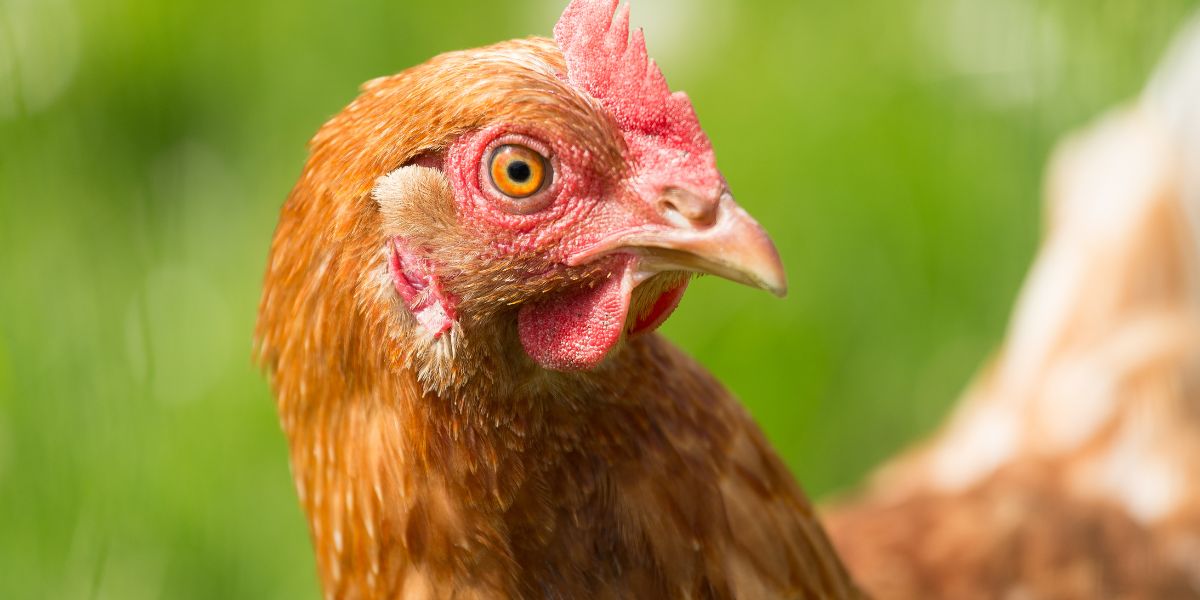
Bird breeding is an ancient and increasingly important practice for food supply.In this article, we will explore the details surrounding poultry farming, from the different species used to best practices to achieve a good result.
Introduction
Livestock poultry farming is a commercial activity that involves the breeding of chickens, ducks, turkeys and other birds for food purposes. This activity is usually carried out on specialized farms. Birds are kept in a controlled environment where they are fed and cared for by trained employees. The breeding of poultry from livestock can be divided into two main categories: industrial breeding and independent breeders. Industrial poultry breeding of livestock is carried out by large corporations that produce meat and eggs for the consumer market.Independents are owners of smaller farms that sell their products to dealers or directly to consumers.
The different breeds of poultry in livestock
The breeding of poultry from livestock is a commercial activity that aims to obtain meat, eggs or other products derived from poultry. The activity involves the management of several breeds of birds, the main ones being: chickens, turkeys, ducks and free-range chickens.
Chickens are the most popular birds in livestock, as they are very adaptable and can be bred in various climatic and environmental conditions. In addition to meat, chickens are also used in egg production. The main breeds of chickens bred in livestock are: Grand Duke (for meat), Caipira (for meat) and Bresse (for meat).
Turkeys are also quite popular among livestock poultry farmers, as their meat is highly appreciated.The main breeds of turkeys raised in livestock are: White Holland (for meat), Bronze (for meat) and Royal Palm (for meat).
Ducks can also be found in poultry flocks, being widely used for egg production.The main breeds of ducks raised in livestock are: Pekin (for eggs), Muscovy (for meat) and Mallard (for meat).
The free-range chickens are also very common among livestock poultry farmers, as their meat is highly appreciated. The main breeds of free-range chickens raised in livestock are: Rhode Island Red (for meat), Barred Rock (for meat) and New Hampshire Red (for meat).
The care of poultry from livestock
Livestock birds are very sensitive animals and need special care to keep them healthy. Here are some tips for caring for your livestock birds:
''Feed the birds with good bird food. The poultry food should contain all the nutrients needed to keep the birds healthy.
''Make sure birds always have fresh water available. Water is essential for the life of birds and they need to drink plenty of water to keep their body hydrated.
Provide birds with adequate shelter. Birds need a warm, dry place to shelter from cold and rain.A shed or birdhouse is ideal for this purpose.
. Protect birds against natural predators. Electrical grids are an excellent way to protect livestock birds from predators.
. Keep the site clean and hygienic. Regular cleaning of sheds and poultry facilities is important as it keeps birds healthy and prevents disease.
''Protect your birds from direct sunlight.Intense light can be harmful to birds, so try to provide shade to keep birds cool and healthy.
Feeding poultry from livestock
Livestock birds are fed mainly with grains, insects and other invertebrates.However, the diet of each species varies according to their nutritional needs.For example, birds that produce eggs need a higher protein content in their diet to ensure that their eggs are strong and healthy. Birds of livestock can also be given vitamin and mineral supplements to supplement their diet.
The most common diseases in poultry
The birds of livestock are subject to various diseases, some of which can be transmitted to humans. The most common diseases in poultry are:
: Avian plague is a highly contagious disease that affects birds and can be fatal. It is caused by avian plague virus, which is divided into three types: type A, type B, and type C. Type A is the most dangerous and can infect both domesticated and wild birds. Avian plague can spread easily among birds through the air or through direct contact with other infected birds. Symptoms include diarrhea, vomiting, and swelling in body tissues.
2 Salmonella: Salmonella is a bacterium that can infect birds and cause diarrhea, fever and abdominal cramps.It can be transmitted to humans through direct contact with animals or their products, such as raw eggs and raw meat.
Gumboro Disease: Gumboro disease is a viral disease that primarily affects young birds. Symptoms include vomiting, diarrhea, loss of appetite, and dehydration. It is transmitted through direct contact with other infected birds or through the air.
''Newcastle Disease: Newcastle Disease is a highly contagious viral disease that can be fatal to birds. Symptoms include fever, cough and swelling in body tissues. It can also be transmitted to humans through direct contact with poultry or their products, such as raw eggs or raw meat.
Conclusion
Raising poultry from livestock is an activity that requires care and dedication. It is important to research the species you want to breed, as well as the care needed to keep them healthy.With the right time and investment, raising poultry from livestock can become a profitable and rewarding business.



