

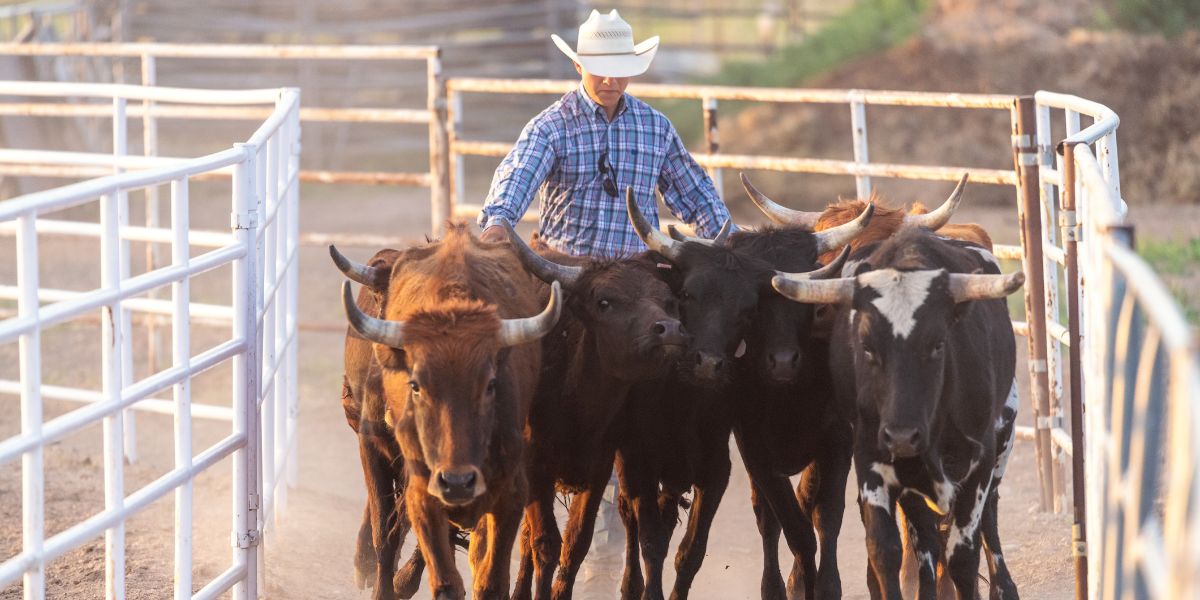
Livestock is one of the most important activities of the Brazilian economy, but often the health of workers involved in this area ends up being in the background. This can lead to various occupational diseases and work accidents that could be avoided with some simple care.In this article, we will talk about why taking care of the health of workers in livestock is so important and give essential tips to ensure a safe and healthy work environment. Come on?
Why is caring for the health of workers involved in livestock farming important?
Livestock farming is an activity that involves many stages, from animal management to meat and milk production. This production chain can be quite exhausting for workers, who need to deal with adverse conditions such as climate, dust and chemicals used in the treatment of animals.
Therefore, taking care of the health of workers in livestock is essential not only to ensure a safe and healthy work environment, but also to maintain the quality of final products.Sick or injured workers can compromise the entire production process and endanger the quality of meat and milk.
In addition, investing in good safety practices at work also helps reduce costs with sick leave or work accidents. A safe and healthy work environment contributes to increasing employee satisfaction and reducing turnover rates in the company.
Finally, it is worth remembering that caring for the health of workers is a legal obligation of companies. Brazilian legislation provides for several regulatory standards (NRs) that establish guidelines on safety at work in various economic sectors, including livestock.
What are the health care of workers involved in livestock?
Livestock farming is an activity that involves several workers and, therefore, their health should be taken into account. Some care is essential to ensure the safety and well-being of these professionals in the workplace.
One of the main precautions is with regard to the use of personal protective equipment (PPE). Workers should wear gloves, boots, helmets and masks whenever necessary. This helps to avoid accidents and also prevents respiratory diseases caused by contact with dust or chemicals.
Another important issue concerns the personal hygiene of livestock workers. It is essential to encourage the habit of washing hands before meals and after any activity carried out in the field or in animal production. This simple gesture can prevent contamination by bacteria or viruses present in animals.
In addition, training on correct posture during daily tasks is required. Most work in livestock requires intense physical effort and can lead to injuries such as back pain and even joint problems.
Finally, regular medical follow-up is also essential to ensure the health of workers involved in livestock. Periodic examinations can identify health risks even before the onset of more severe symptoms.
Therefore, the health care of the workers involved in livestock farming should be taken very seriously by all those responsible for the administration of this type of business.
Conclusion
In short, it is essential to ensure that workers involved in livestock are protected and safe while carrying out their activities. The health care of these professionals should be a priority for any company or organization that operates in this sector.
In addition, it is important to remember that such care not only benefits livestock workers, but also contributes to the production of healthier and safer food for human consumption.
Therefore, investing in measures to prevent and promote health in the workplace is a fundamental step towards valuing livestock professionals and the sustainable development of this sector so important to our economy.



