

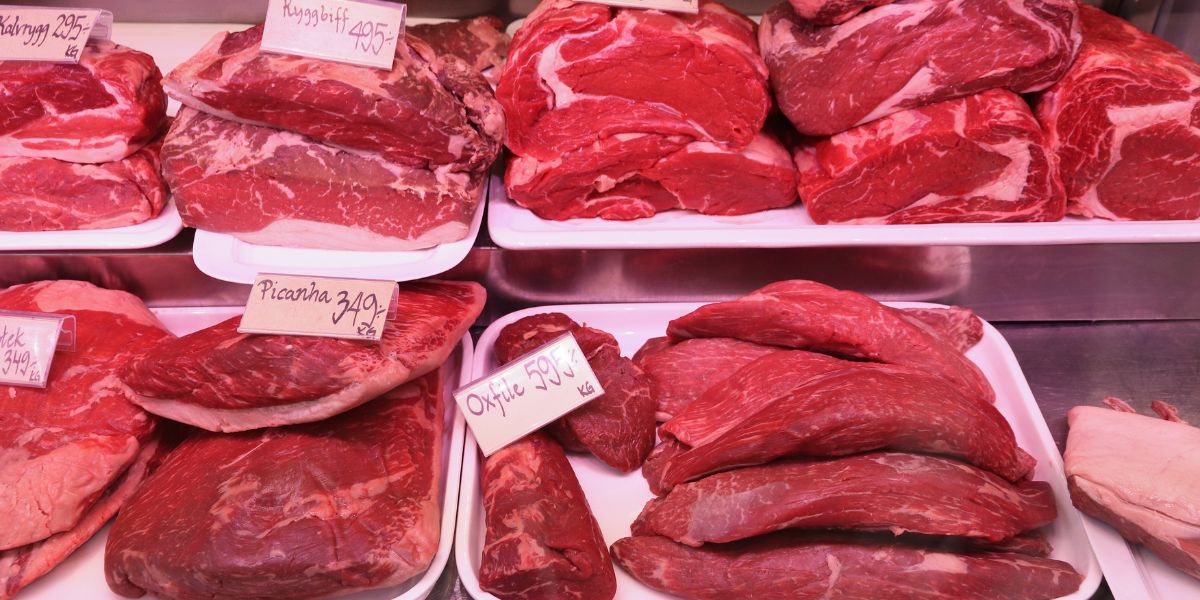
If you are a beef lover, you have certainly wondered what the difference between the various types available on the market. One of the answers to this question is in the designation of origin, an indication that guarantees the origin and quality of the product. But after all, what does this term so important for livestock? In this post we will unravel all the secrets of the designation of origin and how it can influence the taste and nutritional value of your favorite meat. Stay tuned!
What is Denomination of Origin?
The Denomination of Origin (DO) is a term used in the food industry to define a product that has a specific geographical origin and whose characteristics are attributed to that place.
The concept of DO is linked to the idea that certain products can only be produced in certain regions of the world, due to their specific climatic and geographical conditions.For example, champagne can only be produced in the Champagne region of France, due to its climatic peculiarities.
The DO is considered a quality indicator, as it ensures that the product meets certain criteria of quality and originality. In addition, the DO can also serve as a tool to promote regional tourism, since visitors are often interested in the typical products of the regions they visit.
The importance of the Denomination of Origin for livestock
Livestock is a very important economic activity for Brazil, which is the largest producer of beef in the world. Brazilian beef is internationally recognized for its quality and, therefore, the designation of origin is very important to ensure that producers can continue to produce a high quality product.
The designation of origin is a concept that ensures that a product is produced in a certain region and meets certain criteria. These criteria are established by the National Institute of Industrial Property (INPI), the body responsible for registering the designations of origin in Brazil. To register a designation of origin, it must be proven that the product has some specific characteristics that differentiate it from those produced in other regions. In addition, it is also necessary to prove that the product was produced following certain production practices.
The designation of origin is very important for livestock because it helps protect producers who do a job of excellence to ensure the quality of the final product. In addition, the designation is also a way to ensure that consumers are buying a legitimate product. Finally, it contributes to the economic development of the region by encouraging local production and the dissemination of its products.
Different types of Denomination of Origin
The different forms of Designation of Origin (DO) are a set of standards that regulate the production, processing and marketing of agri-food products. These standards aim to preserve the original characteristics of the products, ensuring their quality and authenticity.
OD can be applied to various agri-food products such as wine, cheese, meat, fruits and vegetables.Each type of product has its own specific OD rules.
In Brazil, the DO is regulated by the National Institute of Denominations of Origin (INDO), an agency linked to the Ministry of Agriculture, Livestock and Supply (MAPA). INDO is responsible for defining the rules for each type of product, as well as supervising its production and marketing.
Currently, Brazil has three different types of DO: Geographical Indication (GI), Controlled Denomination of Origin (DOC) and Denomination of Origin (DP).
The Geographical Indication is a regulatory system that aims to preserve the authenticity of products associated with a particular region. For example, Minas Frescal cheese has GI due to its unique characteristics, a result of production in Minas Gerais.
The Controlled Designation of Origin also aims to protect the products and differentiate them from the others. However, in this case the products need to meet more stringent criteria to be considered within the DOC. A good example is Port wine, internationally recognized for having this DO.
Finally, we have the Designation of Origin, which applies only to some types of products. This DOC aims to ensure the quality control of specific products, such as Arabica coffee from Southern Bahia and Bahian cocoa.
How is the Denomination of Origin certificate drawn up?
To obtain the Designation of Origin (DO), a product must be manufactured, processed and/or prepared in a certain geographical region, as prescribed by a technical regulation.In addition, the product must have characteristics that differentiate it from other similar products not originating in that region.
The DO certificate shall be issued by the competent body after the assessment of the product characteristics and the verification of compliance with the requirements laid down in the technical regulation.
Advantages and disadvantages of Designation of Origin
The designation of origin is a system that identifies and regulates the production of certain products, especially those that have unique characteristics that differentiate them from competitors.In the livestock sector, the designation of origin can be used to protect local breeds and ensure the quality of products.
One of the main advantages of the designation of origin is the protection it offers to local animal breeds. Without this protection, breeds can easily mix with others and lose their unique characteristics.In addition, the designation of origin can also encourage the breeding of new varieties of animals, as breeders can be sure that their products will be valued for their unique status.
On the other hand, some disadvantages of the designation of origin also exist. For example, it can often be difficult for farmers to produce products that meet the strict quality requirements of the designation of origin.In addition, the system can be expensive and complicated to implement and maintain. Finally, designations of origin can lead to the formation of monopolies in certain markets, as some companies may benefit from the exclusive status of the products they sell.



