

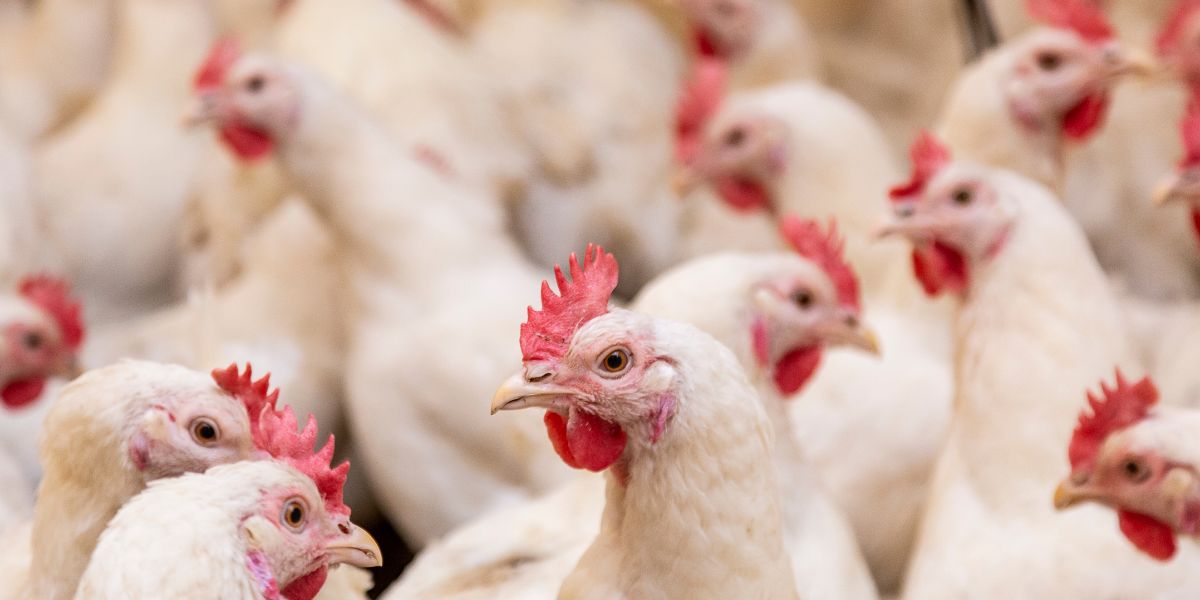
Welcome to the world of poultry farming!If you are a breeder, you know that maintaining animal welfare is essential to ensure not only physical health, but also the quality of eggs and meat produced. However, we often think only about the basic needs of birds and end up forgetting other aspects as important as: their natural behavior, their social interaction and even their emotions.That is why today we will talk about practical tips to improve animal welfare in poultry farming. Come on?
Why is it important to maintain animal welfare?
Maintaining animal welfare is important from both an ethical and economic point of view.When birds are raised in unhealthy and stressful conditions, they can develop diseases and underperform, which can directly affect farm productivity.
Consumers are increasingly concerned about the origin of the food they consume.By opting for products derived from animals raised with respect to their well-being, they demonstrate a greater awareness of environmental and social issues.
Another relevant aspect is the direct impact on the quality of final products. Birds raised under inadequate conditions may present lesions in meat or eggs of low nutritional and sensory quality.
Therefore, maintaining animal welfare should not be seen only as a moral or legal obligation, but rather as a key factor in ensuring the sustainability of the business in the long term.
What is animal welfare?
Animal welfare is a concept that has gained increasing importance in animal husbandry, including in the poultry sector.But after all, what is animal welfare?
Basically, animal welfare refers to the physical and psychological conditions of animals in captivity or in intensive breeding. This includes ensuring access to adequate water and food, sufficient space for movement and rest, control of the temperature of the environment and prevention of diseases.
To evaluate the animal welfare in poultry farms there are several techniques such as behavioral observations of birds, use of cameras for constant monitoring of sheds and laboratory tests to identify possible health problems.
In addition, there are also regulatory standards that establish minimum requirements for animal husbandry aimed at their well-being. It is important to note that many consumers have prioritized products from production with respect to animal welfare
Concern for animal welfare not only ensures a better quality of life for animals raised on poultry farms but can also positively impact business productivity. After all, healthy animals tend to have greater body development and lower early mortality rate.
Therefore, care for aspects related to Animal Welfare should be a constant concern of the rural producer responsible for raising birds always seeking best practices .
How can we improve animal welfare in poultry farming?
When it comes to poultry farming, there are several steps we can take to improve animal welfare. Basic care such as water and proper food are essential.It is also important to keep the facilities clean and in good condition.
In addition, it is essential to ensure sufficient space for birds to move freely within the environment in which they are housed. Stress due to lack of space or excess of animals in the same place can affect the health of birds and even increase mortality.
Another crucial point for improving animal welfare in poultry farming is to avoid the abusive or unnecessary use of antibiotic medicines and other chemicals harmful to animal health.
Caution with temperature should also be taken into account, as both excessive cold and heat can cause severe damage to birds.
Finally, investing in innovative technologies for constant monitoring of environmental conditions makes all the difference when it comes to responsible and sustainable animal husbandry. With this, we can more easily follow any problem related to animal welfare in the different stages of agricultural production.
Conclusion
In summary, maintaining animal welfare in poultry farming is critical to ensuring the health and quality of animals, as well as contributing to better production performance. The adoption of practices that promote animal comfort and safety should be a priority for all producers.
It is important to remember that the good living conditions of birds not only benefit the animals themselves, but also have positive impacts on the environment and human health. Therefore, investing in measures aimed at animal welfare is a responsible and necessary action.
Finally, we hope to have presented some useful tips to help you take better care of your birds. Always remember to seek updated information on best practices in animal husbandry and be aware of the specific needs of each type of bird. With dedication and commitment it is possible to create a healthy and safe environment for your animals!



