

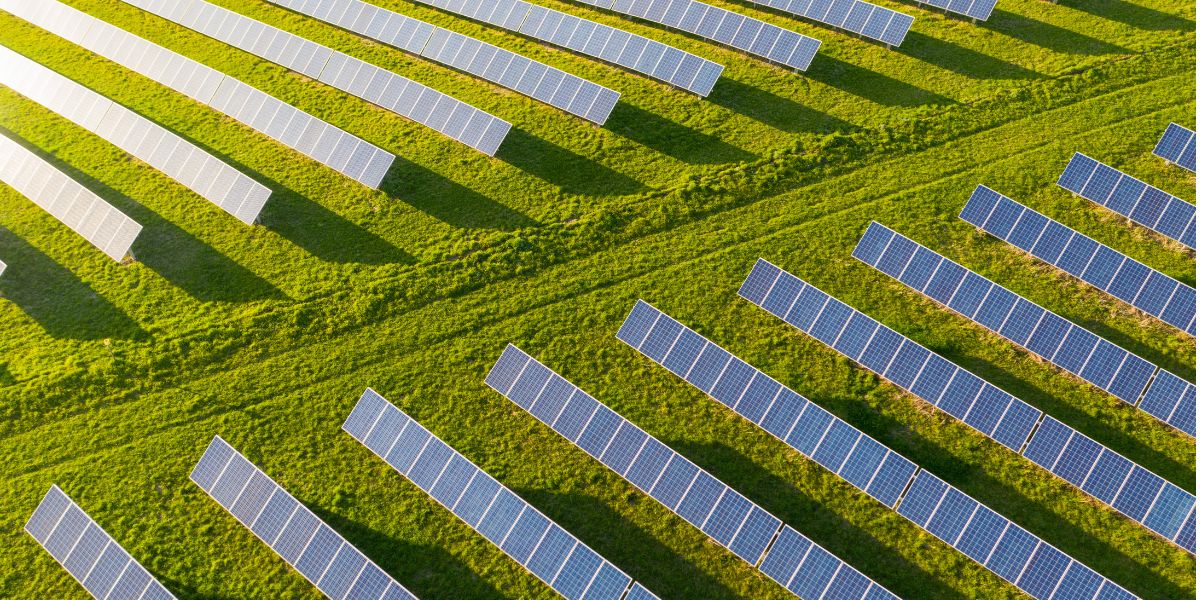
Have you ever thought about how solar energy can help in the sustainability and economy of your farm? With the advancement of technology, it is possible to use renewable energy sources to meet the energy needs of the field. In this post, we will talk about how solar energy can be applied in livestock, bringing benefits not only to the environment, but also to your pocket. Find out how this alternative can be advantageous and check out tips to implement it on your rural property!
What's solar energy?
Solar energy is the energy that comes from the Sun. Solar radiation is transformed into electrical energy by photovoltaic panels, the so-called “solar modules”, which are mounted on roofs or other surfaces exposed to solar incidence.The energy generated can be stored in batteries and used to power electrical equipment.In recent years, photovoltaic technology has become increasingly accessible and efficient, making solar energy a viable option for various applications, including livestock.
Livestock is an intensive activity in terms of electricity consumption, due to the needs of lighting, ventilation and heating environments where animals are kept. However, most of the Brazilian farms still depend on the conventional power grid to meet these needs IS an option that is not always viable or economically efficient. The installation of photovoltaic systems can be a solution to the problem, because in addition to generating electricity from sunlight, they also have numerous advantages: they can be easily installed on the margins and pastures of properties, have reduced maintenance costs, do not require connections to the electricity grid, do not emit air pollutants during their operation and guarantee greater autonomy for farms.
How can solar energy benefit livestock?
Solar energy can benefit livestock in several ways. The main one is the savings that can be generated with the generation of electricity from solar radiation. Another benefit is the reduction of environmental impact, because the generation of solar energy does not emit polluting gases into the atmosphere.
In addition, the use of photovoltaic panels to power equipment and systems on the farm also contributes to increase operational efficiency and decrease the consumption of fossil fuels.This means that there is significant potential for the use of solar energy on Brazilian farms, especially in regions with a high incidence of solar radiation.
What are the costs of implementing a solar project on the farm?
The implementation of a solar project on the farm can cost between R$ 50,000 and R$ 200,000, depending on the size of the system and the complexity of the installation. However, it is important to remember that the implementation costs represent only the initial part of the investment. After the completion of the work, farmers can expect to significantly reduce their expenses with electricity, since most of the energy required for the operation of the farm will be produced by the solar system itself.
What is the return on investment in a solar project on the farm?
By investing in a solar project on the farm, the farmer can save up to 40% on the electricity bill.In addition to the monthly savings, the farmer also receives an appreciation of the land where the solar system is deployed. With the recent drop in prices of solar panels, the return on investment in a solar project can be obtained in less than 5 years.
Conclusion
Livestock is an essential activity for the Brazilian economy, representing about 4% of GDP. However, it is also responsible for much of the emission of greenhouse gases (GHG) in the country. The use of solar energy in livestock can be a solution to reduce GHG emissions, in addition to offering other benefits, such as saving costs with electricity.
Based on the evidence presented in this article, we can conclude that solar energy is a viable solution for Brazilian livestock, bringing economic and environmental benefits.



