

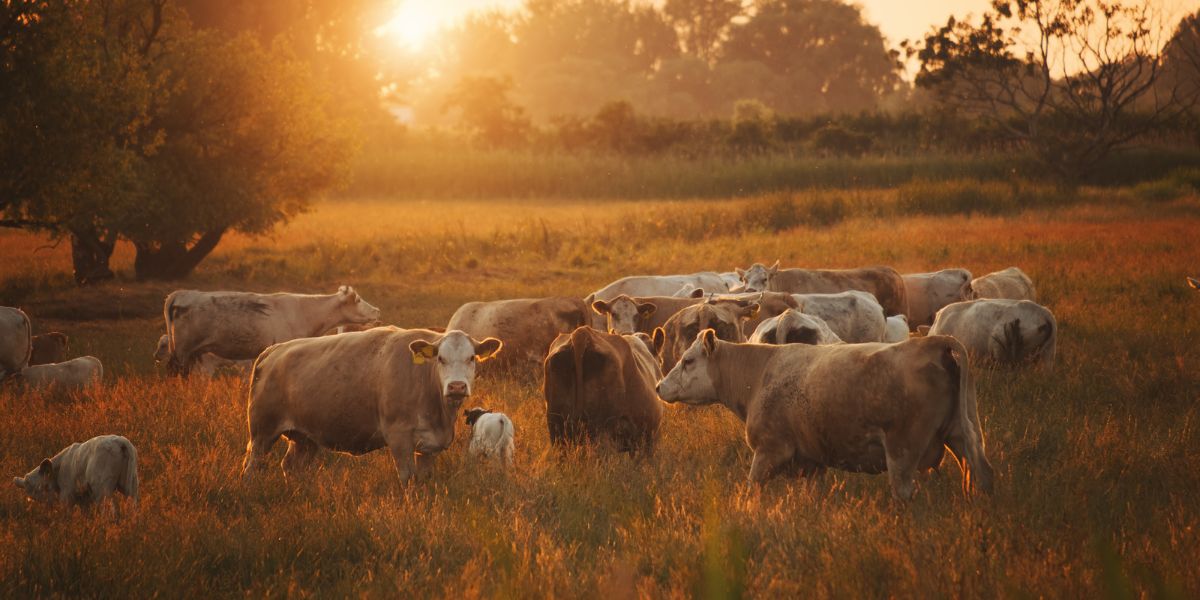
Conventional livestock farming has been associated with several environmental challenges, such as soil degradation, biodiversity loss and greenhouse gas emissions.In response to these concerns, regenerative livestock farming emerges as an innovative approach that seeks to reconcile animal production with ecosystem conservation. This production system aims to restore and maintain soil health, promote biodiversity and sequester carbon, while producing nutritious food and sustaining rural livelihoods.
Regenerative Livestock Principles
Regenerative livestock is based on a set of principles that aim to mimic the natural processes of ecosystems. These principles include:
- Holistic grazing management: High-density, short-duration rotary grazing mimics the grazing behavior of wild herbivores, allowing for adequate rest from pastures and promoting vegetation recovery.
- Integration of crops and livestock: The integration of different animal and plant species in the same system promotes synergies, such as nutrient cycling and natural control of pests and diseases.
- Maximizing soil cover: Maintaining continuous vegetation cover protects the soil from erosion, improves water infiltration and promotes biological activity in the soil.
- Promotion of biodiversity: Diversification of plant and animal species in regenerative production systems increases the resilience and stability of ecosystems.
Livestock Benefits
Regenerative The adoption of regenerative livestock offers a number of environmental, social and economic benefits:
- Soil health restoration: Regenerative practices such as rotary grazing and the integration of crops and crops promote the formation of organic matter in the soil, improve the structure and the retention capacity of water and nutrients.
- Carbon sequestration: Regenerative systems have the potential to sequester large amounts of carbon in soil and plant biomass, contributing to climate change mitigation.
- Increased biodiversity: Species diversification and the creation of heterogeneous habitats favor biodiversity both above and below ground.
- Improved water quality: Reducing erosion and natural filtration promoted by well-managed pastures improve water quality in rivers and aquifers.
- Nutritional food production: Animals raised in regenerative systems tend to have superior nutritional profiles, with higher omega-3 content and other beneficial nutrients.
- Strengthening local economies: Regenerative livestock farming values local production, creates rural employment opportunities and promotes community resilience.
Challenges and Opportunities
While regenerative livestock provides significant benefits, its large-scale adoption still faces challenges. The transition to regenerative systems requires technical expertise, initial investments, and a shift in mindset on the part of producers and consumers.
Conclusion
Regenerative livestock farming represents a promising approach to reconciling animal production with environmental sustainability. By adopting practices that restore soil health, promote biodiversity and sequester carbon, this production system offers multiple benefits to the environment, society and the economy. While there are still challenges to overcome, regenerative livestock has the potential to transform the way we produce food, contributing to a more resilient and sustainable future.



