

Hello, friends of the agro world! Advances in technology are increasingly present in our lives and in the productive sector would be no different. 3D printers have come to revolutionize animal production, offering customized solutions that ensure greater efficiency and cost reduction. In this post, we will explore the advantages of this incredible technology and show how it can transform your business. Come on?
Introduction
3D printers are becoming increasingly popular, especially in the areas of health and animal production.They offer doctors and veterinarians the possibility to create customized solutions for their patients, which can mean a major breakthrough in the treatment of diseases and the prevention of injuries.
In addition, 3D printers are also being used to create pet foods such as feed and supplements.These foods are highly nutritional and can help improve animal health.
What are 3D printers?
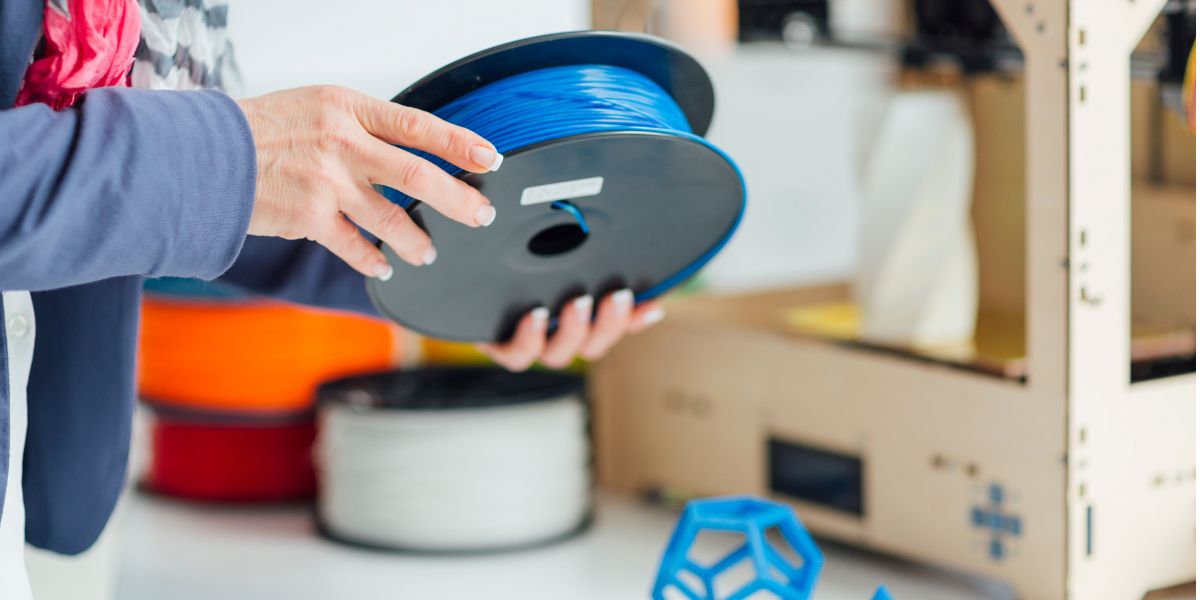
3D printers are machines that transform three-dimensional models into physical objects.These machines are able to produce items according to a predetermined design, using various materials such as plastic, metal and ceramics.
3D printing technology has been used for some time for the creation of prototypes and unique parts, but recently it has been increasingly used in the manufacture of large-scale products.The inability to archive digital files easily has made the technology accessible only to those who had a large budget to invest in a machine. However, with the advancement of technology and the reduction of costs involved in the acquisition of these machines, 3D printing is becoming increasingly popular.
Still, it is important to note that 3D printers are extremely delicate machines, and they must be managed carefully to avoid problems and accidents.In addition, it is important to note that some 3D printers may present some health risks if not used properly.
How do 3D printers work for animal production?
3D printers are ideal for animal production because they allow the creation of customized three-dimensional models based on the specific needs of each animal. With this technology, it is possible to produce items such as automatic feeders or drinking fountains adapted to the dimensions of your herd, which can maximize the efficiency of your farm.
Benefits of using 3D printers in animal production
Over the last few years, 3D printing technology has been increasingly used in various areas of animal production. This is due to the numerous advantages that this technology offers. Among them, we can highlight:
3d printing enables the production of custom items: with 3D printing, it is possible to produce items tailored to meet the specific needs of each animal.
3D printing allows greater control over the quality of products, ensuring that they meet sanitary and nutritional requirements.
3d printing allows products to be manufactured with cheaper and less wasteful materials.
3d printing technology allows products to be manufactured in less time, which translates into greater efficiency.
3d printing machines are programmed to perform operations in an automated manner, thus reducing the risk of human errors.
3d printing - With 3D printing, products can be manufactured with incredible precision, thus ensuring better results.
Challenges and limitations of 3D printers in animal production
3D printers have been widely used in different sectors of animal production, from the creation of product prototyping to the manufacture of equipment for animal welfare.However, the technology still faces some challenges and limitations in its application in animal production.
One of the main challenges is the cost of 3D printers. Although printers are increasingly affordable, they are still considered expensive for many animal producers.In addition, another challenge is the fact that 3D printers need special materials to function properly, which can be a problem to find and buy these materials.
Finally, one of the main limitations of 3D printers in animal production is the size of the equipment. Since 3D printers are generally smaller than conventional machines, they may not be proportional to the objects that need to be produced. This can prevent the production of larger products such as veterinary equipment or equestrian facilities.
Conclusion
3D printers are becoming increasingly popular and affordable, and they can offer customized solutions for animal production.However, it is important to remember that 3D printers are not a miracle solution to all problems of animal production, but they can certainly help improve some aspects of the process.



