

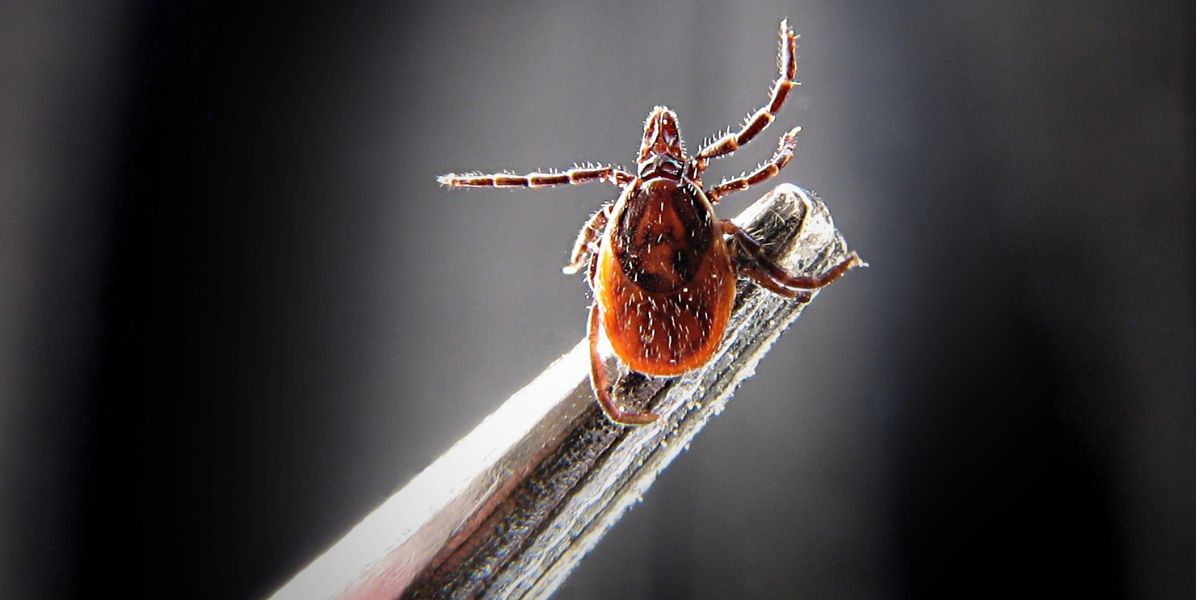
Livestock is a key sector for the Brazilian economy, but it is not free of problems. One of the biggest challenges faced by producers are pests that affect animals and compromise business productivity. Fortunately, with the advancement of technology, innovative solutions have emerged to control these undesirable insects.In this post, we will explore how cutting-edge technology has been used in livestock to combat pests and ensure healthy and profitable production. Come find out!
Introduction
Livestock is an important economic activity for Brazil, which has one of the largest herds in the world. However, it is subject to various health problems due to the presence of diseases transmissible to animals and plants.In addition, livestock can also be affected by pests such as insects and rodents.
To minimize health risks and protect the herd, it is important to adopt pest control measures. The latest technology has been increasingly used in this area, allowing the development of innovative solutions for pest control in livestock.
What are pests in livestock?
Livestock is a sector of the economy that involves raising cattle for the production of meat, milk and other products. Brazilian livestock is one of the most diverse in the world, with more than 200 species of animals raised for various purposes. Livestock sustains the economy of several regions of the country and is responsible for much of the export of beef from Brazil.
Livestock faces several problems, pests being one of the main concerns of producers. Pests can cause great damage to the health of animals and negatively impact the quality of meat and milk.In addition, pests are a vector of various infectious diseases that can affect both animals and man.
Pest control in livestock is essential to ensure the health of animals and the quality of derived products. The state-of-the-art technology and modern equipment are used to monitor the conditions of the environment, taking advantage of natural pest control resources.In addition, producers can also use insecticides to eliminate pests and ensure the quality of animals and derived products.
The different pest control technologies
Agricultural pests are one of the main problems faced by farmers. Some of these pests can cause considerable damage to crops and, accordingly, significantly affect production. Pest control is therefore essential to ensure a good harvest.
There are several technologies available in the market for pest control. These technologies vary in terms of effectiveness, cost and ease of use. Some of these technologies are described below:
Biological control: this type of control involves the use of natural organisms to combat pests.For example, some predatory insects can be used to control other pest insects.Biological control is generally considered to be safer than other chemical methods of pest control, as it does not involve the use of toxic chemicals.
CHEMICAL Control: this method uses chemicals to fight pests.Pesticides are the main chemicals used for pest control. Although they are effective in eliminating pests, they can be harmful to the environment if not used carefully.
PHYSICAL control: this type of control involves the direct destruction of pests through traps, physical barriers, proper irrigation, etc. Physical control is a great way to prevent infestation, but may not be as effective as other methods to eliminate these organisms.
Cultural control: this method involves cultural practices that aim to prevent pest infestation, such as crop rotation, irrigation management, use of resistant plants, etc. These practices are generally cheaper and less harmful to the environment than other pest control methods.
It is important to note that the technologies mentioned above can be used in combination to get the best results. The farmer should therefore carefully evaluate the options available and choose those that best suit his needs.
Advantages and disadvantages of pest control technologies
With pest control technology, farmers can reduce the use of chemical insecticides and, accordingly, increase productivity. In addition, pest control technologies allow more accurate monitoring of pests, which allows for more effective control.However, pest control technologies also have some disadvantages. One of the main ones is the cost of equipment and maintenance.In addition, pest control technologies require a trained operator to function properly.
Conclusion
In order to maintain the health and welfare of animals, as well as ensure the safety of the food they produce, it is important to monitor and control the pests that can affect them. State-of-the-art technology has facilitated this process, allowing farmers to quickly identify and treat any infestation. This not only protects animals, but also ensures that the meat and milk they produce are safe for human consumption.



