

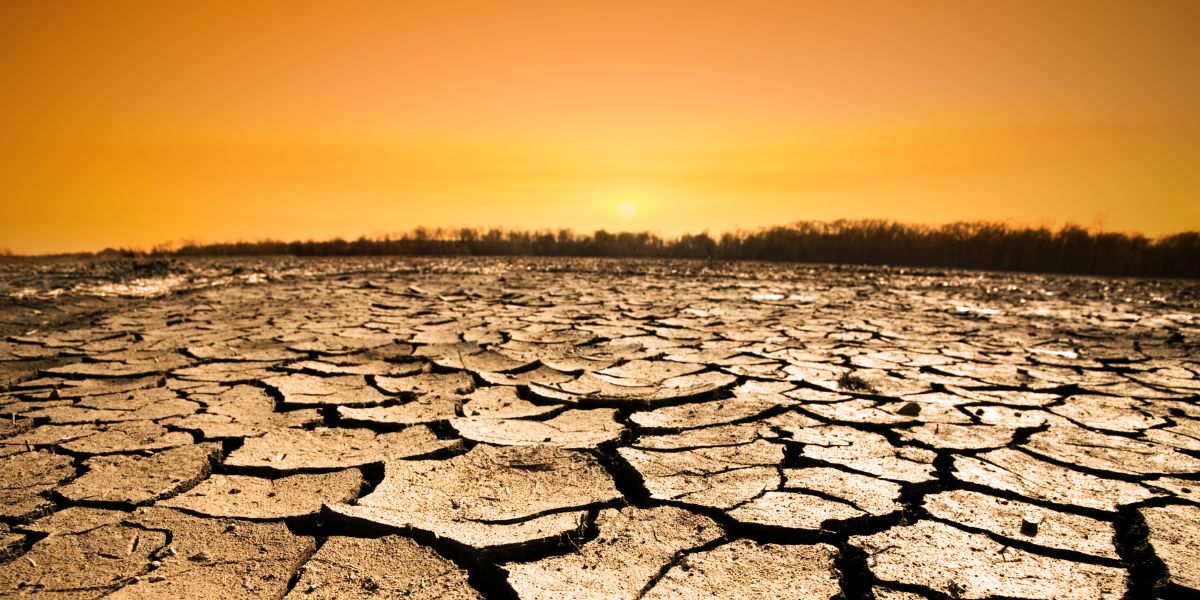
Climate change in Brazil is having serious consequences in virtually all areas of agriculture, but nothing compares to the problem generated by drought in livestock. Drought affects thousands of farmers every year, causing irreparable losses and raising the cost of production. With reduced rainfall and drier pastures, it is necessary to make decisions and take measures to minimize the damage that drought can cause.
The impact of drought on livestock
Drought has a cruel impact on livestock production, causing losses and compromising the income of farmers. The reduction of water sources and drier pasture areas impoverish the herd, requiring more food and working time for the care of animals. In addition, the fall in the quality of pastures increases the difficulty of animals to remain healthy and the rigid maintenance of areas covered by grasses.
Planning actions to minimize damage
Breeders need to take some steps to help their herds withstand the impact of drought. It is important to check for areas with safe pasture for animals and ensure that they have regular access to water. Breeders should also consider adopting a supplemental feed for animals on hot days and adding sources of medicinal or other nutrient sources.
Stocks reserves to deal with drought
Breeders need to have a large amount of food reserved to cope with drought. These feed materials are usually purchased when prices are lower, thus allowing significant savings.It is important to read the feed materials to understand the costs and advantages of these products and store them safely, as they can serve as a last line of defense against drought.
Add value with other alternative sources
Cattle farmers can also add value to their production by adopting other sources of food and labor that offer additional income. For example, it is possible to start their own dairy production, raise horses, goats or sheep for meat breeding. Another option is to produce fruits, vegetables, medicinal plants or olive oil to market.
The importance of having good cost management
Having good cost management is critical to finance preventive measures taken against drought.Farmers must define the right amount of food purchased and the optimal time for performing work such as repairs and repairs.It is also important to control and manage the quality of food to avoid undesirable costs.
Health care for the maintenance of the herd during drought
During drought, the herd must undergo sanitary care such as disinfection and regular treatments. This is especially important for older and weaker animals, since malnutrition makes them more vulnerable to disease. It is essential that veterinarians are frequently checked to ensure that the animals are healthy and ready to work.
It is clear that many measures need to be taken to address the consequences of drought on livestock. Therefore, it is crucial that breeders are prepared and know how to manage their operations effectively during this period.With good planning, cost management, sanitary care and use of alternative resources, livestock establishments can significantly minimize the damage caused by this natural climate event.



