

If you are looking for a way to improve the production of fodder on your property, organic fertilizers should be considered. In addition to being beneficial to the environment and to the health of animals, they can also significantly increase the quality of the crop. In this article, we will explore the benefits of using organic fertilizers in forage production and how you can use them to get better results in your agricultural business.Let's dive into this subject right now!
What are organic fertilizers?
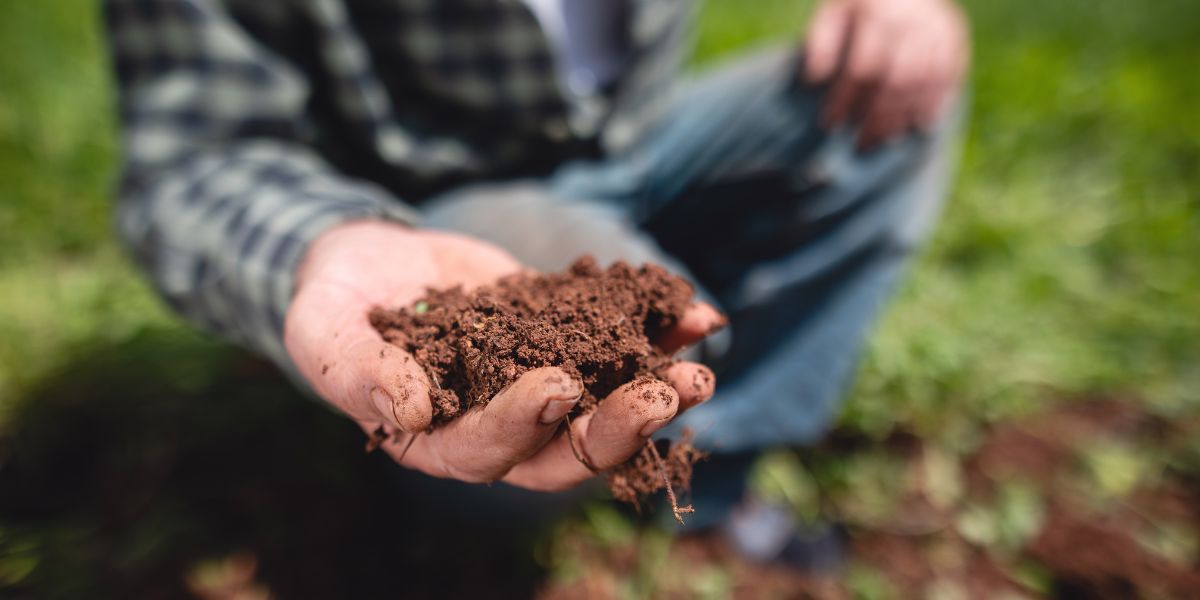
Organic fertilizers are fertilizers composed of natural materials such as animal manure, plant residues and other types of biomass. These materials undergo the decomposition process to become nutrient-rich fertilizer that can be used in agricultural production.
Unlike chemical fertilizers, organic fertilizers do not contain synthetic or toxic substances that can harm the environment or the health of animals. In addition, they are more sustainable in the long term because they help improve soil quality and increase their ability to retain water and nutrients.
The benefits of using organic fertilizers also include greater efficiency in the use of natural resources. This is because plant and animal waste is recycled rather than discarded, thus reducing the negative environmental impact.
In short, using organic fertilizers in agricultural production can bring several benefits to both the environment and its harvest. They are a healthy and sustainable alternative to traditional chemical fertilizers that can have negative consequences in the long term.
Benefits of using organic fertilizers
Organic fertilizers are a great alternative for those seeking to produce fodder in a sustainable and efficient way. Unlike chemical fertilizers, organic fertilizers are composed of natural materials such as manure, organic compost, food scraps or plants.
One of the main advantages of using organic fertilizers is the fact that these products are healthier for both plants and animals that will consume them. As they do not contain harmful chemicals to health, the fodder produced with these fertilizers tends to be more nutritious and tasty.
Another important advantage is that organic fertilizers help strengthen the soil where the plants will be grown. They improve their physical structure, increasing their ability to retain water and nutrients. With this, there is an increase in crop productivity without harming the environment.
Finally, it is worth noting that using organic fertilizers has a positive impact on the pocket of the rural producer. As they can be made at home using locally available materials such as dried leaves or animal manure - their cost is much lower than that of industrialized chemical fertilizers.
In summary, using organic fertilizers in forage production brings numerous benefits for those seeking a sustainable and economic agriculture: improvement in the quality of the forage produced; preservation of the environment; increased soil fertility; in addition to the economy in the pocket of the producer.
How to use organic fertilizers in forage production?
The use of organic fertilizers in forage production can be performed through direct application in the soil or through the use of compost. In the first case, it is important that the fertilizer is well distributed throughout the area and incorporated into the soil to ensure good absorption by plant nutrients.
In the second method, composting consists of mixing organic waste with other materials such as sawdust and dried leaves, creating a nutrient-rich compound for plants. This process must be carried out in a suitable and controlled place to avoid contamination and bad smell.
Another interesting way to use organic fertilizers is through crop rotation. In this practice, several plant species are grown alternately in the same area, providing a greater nutritional diversity of the soil and avoiding the depletion of specific nutrients needed by the plant.
In addition, it is important to remember that the correct amount of fertilizer used also directly influences the productivity of forage. Therefore it is recommended to follow the technical guidelines on dosages indicated for each specific crop.
Finally, we can conclude that the use of organic fertilizers in forage production has several environmental and economic benefits because it not only reduces negative environmental impact but also contributes to the increase of the quality of pastures by providing adequate nutrients essential to plants.
What are the main advantages of using organic fertilizers?
In summary, using organic fertilizers in forage production brings numerous benefits to the environment and the quality of the food produced. In addition to being a more sustainable option, organic fertilizers help to improve the physical and chemical characteristics of the soil, increasing its fertility and promoting greater plant growth.
Another great advantage is that organic fertilizers are more economical in the long run, since they do not need to be reapplied as often as chemical fertilizers.
In addition, foods grown with organic fertilizers are less likely to contain chemical residues harmful to human and animal health.
In conclusion, investing in the use of organic fertilizers can bring several advantages for those who work with the production of forage. It is a conscious choice that helps preserve the environment while improving the quality of food produced.



